Top Irrigation Valve Types for Efficient Water Management?
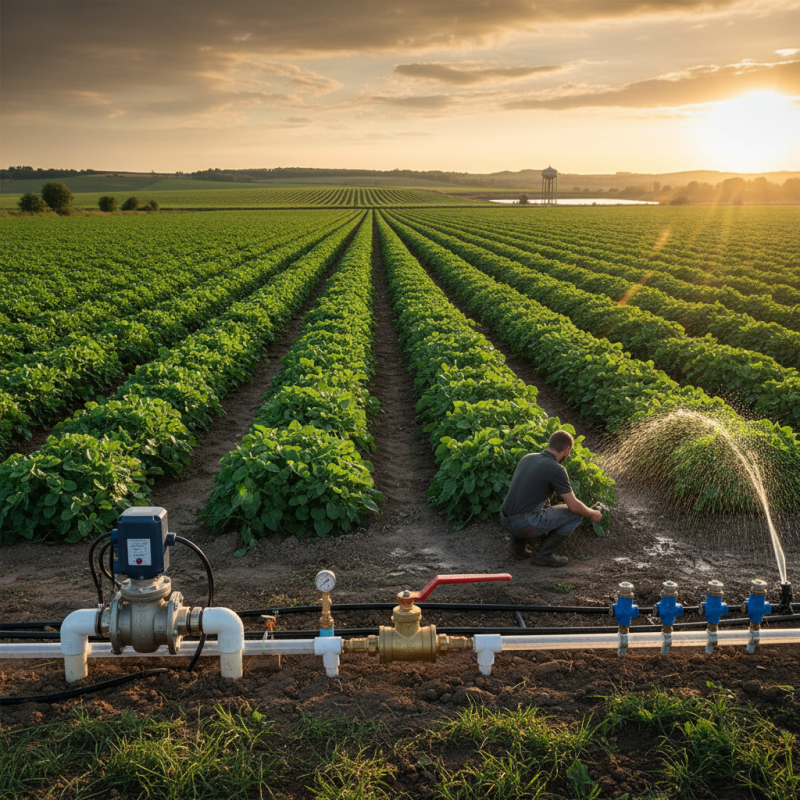
Effective water management is crucial for agricultural success. One vital component in this process is the Irrigation Valve. These valves regulate water flow, ensuring that plants receive enough moisture without wastage.
Different types of Irrigation Valves provide unique benefits. Some have automatic controls, while others require manual operation. Their efficiency can vary based on the system used and the specific needs of crops. Understanding these differences can lead to better decision-making when selecting valves for irrigation systems.
However, not all systems achieve optimal results. Sometimes, the choice of an Irrigation Valve may not suit the landscape or water source. This misalignment can lead to over- or under-watering. Regular assessment of these systems is essential. A proactive approach can identify inefficiencies, ultimately enhancing water management practices.
Overview of Irrigation Valves and Their Importance in Water Management
Irrigation valves play a crucial role in efficient water management. They control the flow and pressure of water in agricultural systems. Proper irrigation valve selection can conserve water and reduce costs.
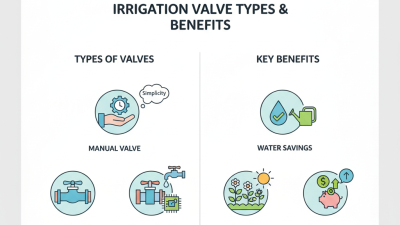
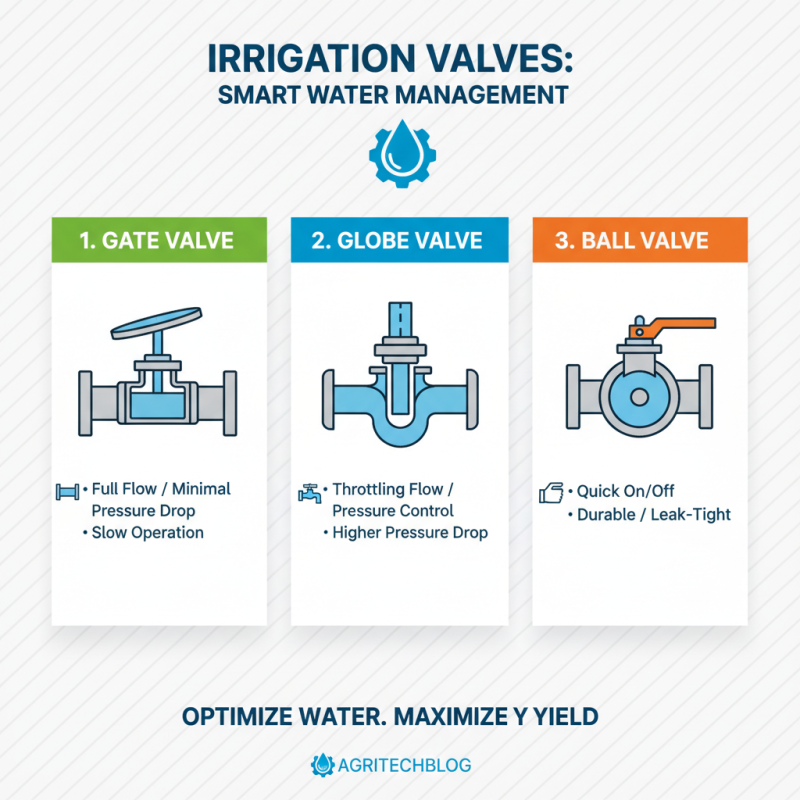
Different types of valves are available, such as gate valves, globe valves, and ball valves. Each type has unique benefits for various irrigation setups. Gate valves are simple and reliable, perfect for on/off control. Globe valves allow for precise flow adjustments, which is valuable in delicate systems. Ball valves offer quick switching and durability, which can save time during operations.
**Tip:** Regularly check your valves for leaks. Even a small leak can waste significant water over time.
Understanding how these valves operate helps in creating a more effective irrigation strategy. However, many users overlook valve maintenance. Regular cleaning and inspections can prevent bigger issues in the future.
**Tip:** Document any valve issues and repairs. This log can help track performance over time.
Choosing the right valves is essential but sometimes tricky. Ensure to consider your system's needs and your water source's characteristics. Uninformed choices can lead to overwatering or underwatering plants, which no one wants.
Top Irrigation Valve Types for Efficient Water Management
| Valve Type |
Description |
Advantages |
Common Uses |
| Gate Valve |
A device that opens or closes by lifting a round or rectangular gate out of the path of the flow. |
Low pressure loss, minimal turbulence. |
Main water lines, irrigation systems. |
| Ball Valve |
A valve with a spherical disc that controls flow through it. It provides a reliable sealing capability. |
Quick to open/close, good sealing. |
Residential irrigation, garden installations. |
| Butterfly Valve |
A valve that contains a rotating disc to control fluid flow. |
Compact, lightweight, low cost. |
Large-scale irrigation applications, water treatment. |
| Check Valve |
A valve that allows flow in one direction and prevents backflow. |
Prevents back siphoning, ensures safety. |
Irrigation systems, water pumps. |
| Solenoid Valve |
An electro-mechanical valve for fluid control, operated by an electric current. |
Automated control, quick actuation. |
Automated irrigation systems, timer-operated systems. |
Types of Irrigation Valves: A Comprehensive Breakdown
Irrigation valves play a crucial role in managing water efficiently. They control the flow and pressure of water, ensuring crops receive the right amount. Different types of irrigation valves cater to various needs in the field. The most common types include gate valves, globe valves, and ball valves. Each has its unique advantages and limitations.
Gate valves are great for on-off control. They work well when fully open or closed. However, they can be difficult to operate frequently. Globe valves offer more precise flow control. They allow adjustments to suit different irrigation needs. On the downside, they can cause pressure loss. Ball valves, favored for their durability, provide quick shut-off capability. Yet, they may not perform well under certain pressures.
When choosing an irrigation valve, consider your specific requirements. Operational conditions, such as pressure and flow rate, greatly influence performance. No valve is perfect. Each comes with its trade-offs. Reflecting on these aspects can lead to better water management practices. Make informed decisions to optimize irrigation efficiency.
Features and Benefits of Each Valve Type for Farm Efficiency
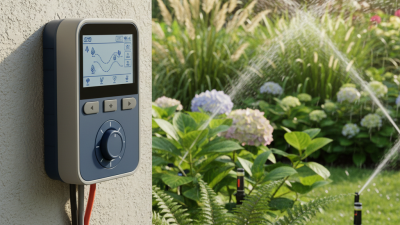
Irrigation valves play a crucial role in effective water management on farms. There are different types of valves, each offering unique features. For instance, electric valves are popular for their precise control. They can be programmed to open and close at specific times. This automation helps to save water and reduce labor costs.
Another type is the manual valve, often favored for its simplicity. Farmers can easily adjust the flow of water as needed. However, it requires more attention and effort. A common issue is forgetting to turn them off, leading to water wastage. Farmers must create a routine to check these valves regularly.
Pressure-regulating valves deserve mention as well. They maintain consistent pressure, preventing damage to irrigation systems. Without these, fluctuations can lead to inefficient watering. While they can be more expensive initially, the long-term benefits justify the cost. Ultimately, choosing the right valve type depends on individual farm needs and water management goals. Reflecting on the efficiency of each can lead to better outcomes.
Selecting the Right Irrigation Valve for Specific Agricultural Needs
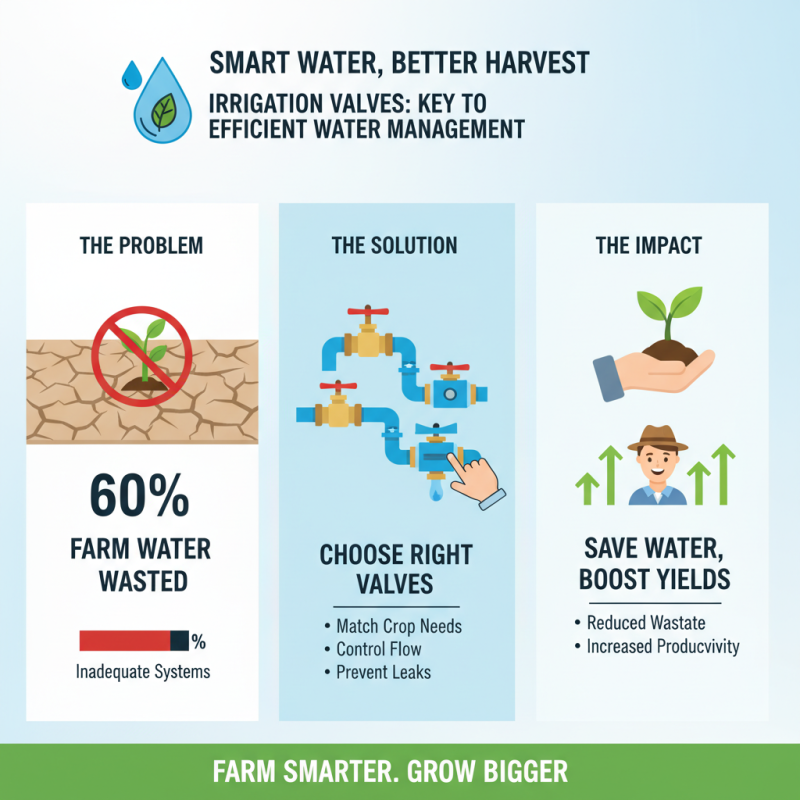
Irrigation valves play a crucial role in effective water management. Selecting the right type can make a significant difference in agricultural productivity. According to industry reports, about 60% of farm water is wasted due to inadequate irrigation systems. Choosing valves that suit specific needs can help reduce this wastage.
There are various types of valves available. Pressure-regulating valves are critical for maintaining consistent water pressure. They can prevent over-irrigation in low-lying areas. On the other hand, solenoid valves offer automated control but may require more maintenance. Farmers should weigh these options carefully. A faulty valve can lead to uneven watering and water loss.
In some regions, manual labor for valve control remains common. However, advancements in technology offer new solutions. Timed irrigation systems can automate valve operations, saving labor costs. Nonetheless, these systems must be monitored closely. A lack of oversight can lead to system failures and inadequate watering. Finding an irrigation valve that meets specific requirements is essential for achieving water efficiency. Each farm's needs will vary, and making informed decisions is key.
Maintenance Tips for Ensuring Longevity of Irrigation Valves
Irrigation valves play a crucial role in managing water efficiently. Regular maintenance is essential to ensure their longevity. According to industry reports, a well-maintained valve can last up to 10 years longer than one neglected. Simple checks can prevent costly repairs later.
Consider checking for leaks regularly. A small leak can waste over 10,000 gallons of water per year. That’s a significant loss, not just financially but environmentally as well. Clean the filters monthly. Debris can clog the system, leading to low pressure and uneven watering.
Lubrication is vital. Valves require oiling to function smoothly. Neglecting this can lead to rust and malfunction. It’s a simple task, yet often overlooked. Remember, a few minutes of attention can save hours of potential issues. Ignoring maintenance might seem trivial at first, but small problems can escalate quickly.
Top Irrigation Valve Types for Efficient Water Management
This chart displays the effectiveness rating of different types of irrigation valves based on water flow efficiency and maintenance needs. A higher rating indicates better performance and lower maintenance requirements.