What is Irrigation Rotor Sprinklers and How Do They Work?
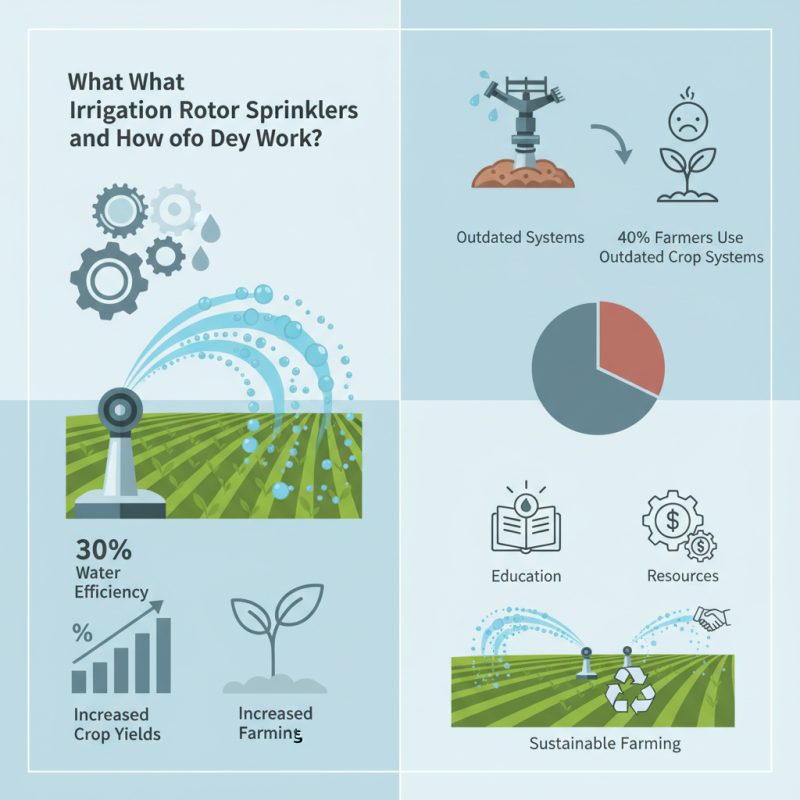
Irrigation Rotor Sprinklers are crucial for efficient agricultural practices. These systems help distribute water evenly across fields, enhancing crop yields. According to a report by the Irrigation Association, modern irrigation technologies can increase water efficiency by up to 30%. Industry expert Dr. John Green emphasizes, “Optimal irrigation practices are vital for sustainable farming.”
Despite these advancements, challenges remain. Many farmers still struggle to adopt modern irrigation methods. A USDA survey revealed that nearly 40% of farmers use outdated systems. This can lead to water wastage and reduced crop health. Irrigation Rotor Sprinklers offer a solution, yet education and resources are essential for widespread adoption.
The impact of inadequate irrigation cannot be ignored. Poor techniques can result in lower harvests. Understanding the mechanics of Irrigation Rotor Sprinklers is essential. It is time to reflect on the current practices and embrace efficient methods that benefit both the environment and agriculture.
What are Irrigation Rotor Sprinklers?
Irrigation rotor sprinklers are essential tools for efficient watering. These devices distribute water through rotating nozzles, creating a precise spray pattern. Farmers and gardeners often prefer these systems due to their flexibility and effectiveness in delivering water. According to the International Water Management Institute, efficient irrigation can reduce water use by up to 40%.
Rotor sprinklers are particularly useful for larger areas. They can cover hundreds of square feet, making them ideal for lawns and crops. The average radius of a rotor sprinkler can range from 20 to 50 feet. This allows water to reach multiple plants effectively. However, their performance can vary based on pressure and nozzle variety. Improper setup can lead to uneven distribution, wasting water and promoting disease.
Even with advanced technology, challenges remain. Some users struggle with positioning. Others may not adjust water schedules based on weather. Studies show that over 60% of irrigation systems are not operated efficiently. This can lead to increased costs and water scarcity issues. Understanding how rotor sprinklers work is the first step toward more sustainable practices.
Components of Irrigation Rotor Sprinklers
Irrigation rotor sprinklers have several key components essential for their effective operation. The primary component is the rotor itself. It spins as water flows through, distributing water evenly across the area. Reports indicate that properly functioning rotor sprinklers can increase water efficiency by up to 50% compared to traditional systems. This is critical in regions where water scarcity is an issue.
Another important part is the nozzle, which determines the flow rate and spray pattern. Different nozzles allow for various irrigation needs. Selecting the right nozzle based on the landscape can significantly impact water usage. Studies suggest that varying nozzle sizes can lead to improvements in water application rates, optimizing growth conditions for different plants.
Additionally, the control mechanism is vital. This includes timers and sensors that ensure the sprinklers operate at the right times. However, many users overlook regular maintenance. Clogged nozzles or malfunctioning rotors can lead to uneven watering. Research shows that routine checks can enhance system performance and longevity. Thus, understanding and maintaining each component is crucial for efficient irrigation.
Irrigation Rotor Sprinklers - Water Flow Rates
This chart represents various water flow rates for different categories of irrigation rotor sprinklers. Understanding these rates helps in selecting the appropriate sprinkler system for effective irrigation.
How Irrigation Rotor Sprinklers Work
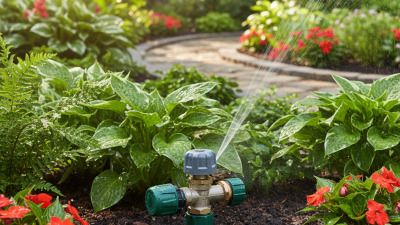
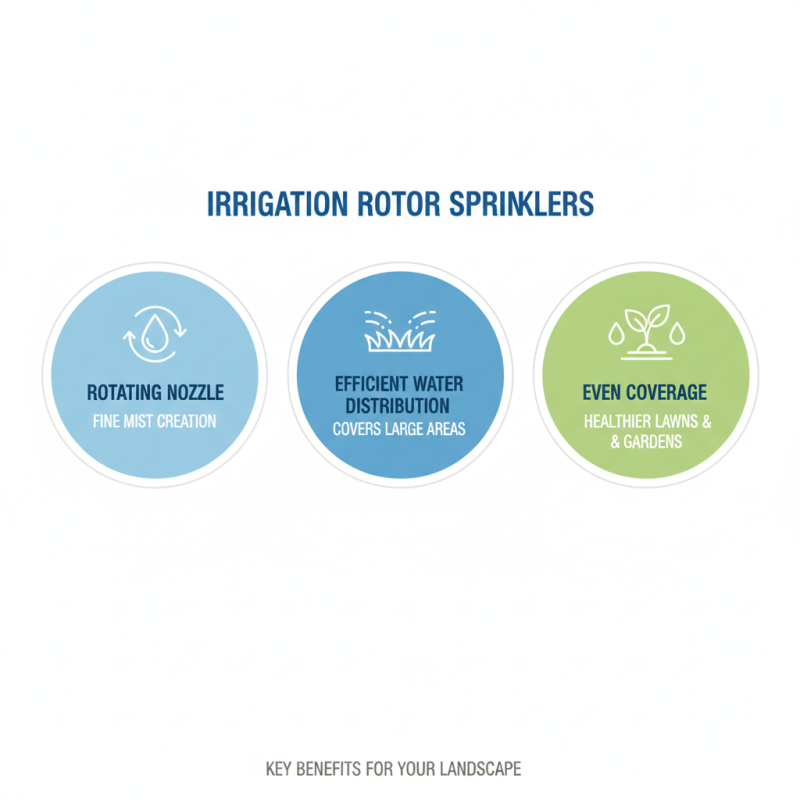
Irrigation rotor sprinklers are fascinating devices. They are designed to efficiently distribute water across lawns and gardens. These sprinklers use a rotating nozzle that creates a fine mist. This allows water to reach all corners of your garden, ensuring even distribution.
Here's how they function. When activated, water flows from the main supply through the sprinkler system. The rotor spins, creating a powerful arc. Each rotation covers a specific area. It’s crucial to set the right angle to avoid overwatering. Sometimes, the coverage might be uneven. Adjustments may be needed.
Consider the size of the area. Small gardens may require fewer rotations, while larger spaces needed more settings. Trees and other plants can block the spray. Regular maintenance is key. Clogged nozzles can affect performance. It’s a simple task, but often overlooked. Regular checks can prevent headaches later on.
Advantages of Using Irrigation Rotor Sprinklers
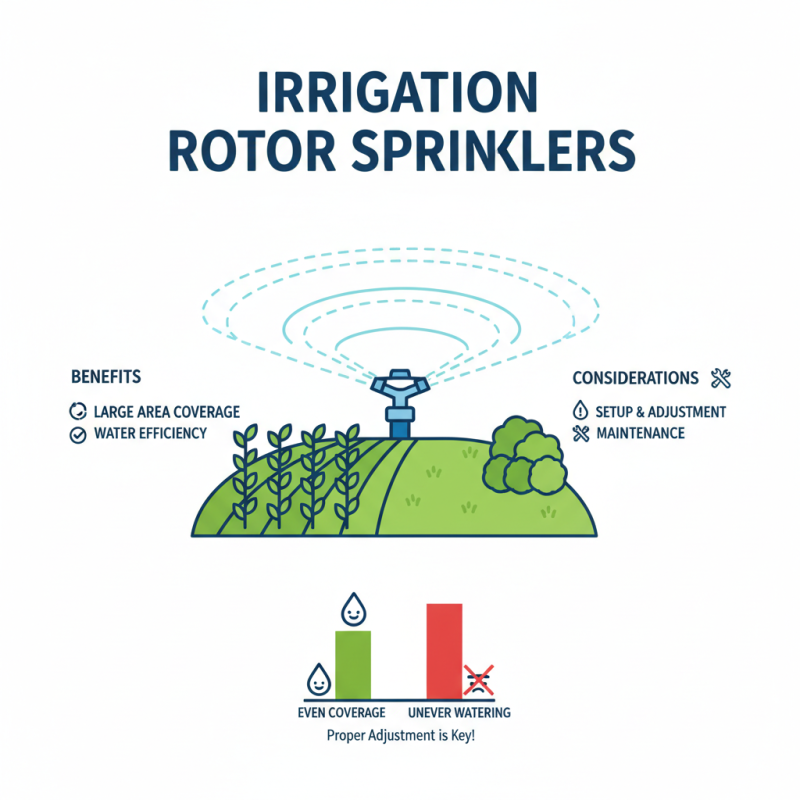
Irrigation rotor sprinklers are effective tools for watering large areas. They rotate to evenly distribute water over crops or lawns. This design helps minimize water waste and ensures thorough coverage. However, they require proper setup and maintenance. If not adjusted well, they can lead to uneven watering.
One major advantage of using irrigation rotor sprinklers is their efficiency. They can cover vast areas quickly, saving time and labor. They adapt to various terrain upon installation. Additionally, rotor sprinklers can work with pressure-regulated systems. This maintains a consistent flow of water. Yet, improper pressure might lead to over-saturation in some areas.
Another benefit is flexibility. These sprinklers can handle different nozzles, adjusting the spray pattern. This allows for tailored irrigation based on plant needs. Nonetheless, gardeners should regularly check for clogs. Even a small blockage can disrupt performance. It's essential to remain proactive in maintenance.
Common Applications of Irrigation Rotor Sprinklers
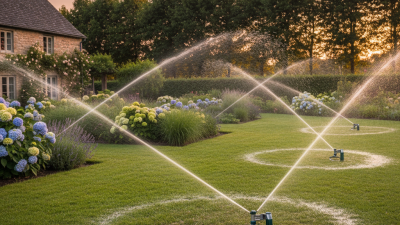
Irrigation rotor sprinklers find great use in agriculture and landscaping. They efficiently distribute water over large areas. These systems use rotating arms to spray water in a circular pattern. This design helps to cover more ground than stationary sprinklers.
Farmers often utilize rotor sprinklers for crop irrigation. They can reach distant plants with ease. This is crucial during dry seasons. However, improper calibration can lead to uneven water distribution. Monitoring is essential to avoid overwatering or underwatering.
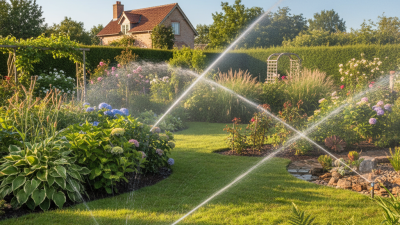
In residential settings, homeowners appreciate rotor sprinklers for lawns and gardens. They create a fine mist that nourishes plants effectively. Yet, wind can impact the water's reach. Regular adjustments may be necessary for optimal performance. To achieve the best results, regular testing and tweaking are important.
What is Irrigation Rotor Sprinklers and How Do They Work? - Common Applications of Irrigation Rotor Sprinklers
| Feature |
Description |
Common Applications |
| Type of Sprinkler |
Rotor sprinkler |
Residential lawns, golf courses |
| Water Application Rate |
Uniform distribution to minimize runoff |
Agroecosystems |
| Operating Pressure |
Typically 30-50 PSI |
Sports fields, agriculture |
| Coverage Area |
Rotates to cover circular areas |
Parks, gardens |
| Installation Method |
Embedded in the ground |
Commercial landscaping |
| Control Systems |
Automated timers and sensors |
Smart irrigation systems |