What is an Irrigation Controller and How Does it Improve Water Efficiency
In the face of increasing water scarcity, efficient irrigation practices are more important than ever for sustainable agriculture. An Irrigation Controller serves as a pivotal tool in this context, automating watering schedules based on weather data, soil conditions, and plant needs. According to the United States Environmental Protection Agency (EPA), with the right irrigation technologies, agricultural water use could be improved by as much as 30-50%, significantly reducing waste while maintaining crop health. By optimizing water delivery, Irrigation Controllers not only conserve resources but also enhance crop yield.
Industry expert Dr. Emily Green, a leading figure in agronomic research, emphasizes the importance of intelligent irrigation solutions. She states, "The adoption of advanced Irrigation Controllers can radically transform water management strategies in agriculture, ensuring both sustainability and productivity." By leveraging cutting-edge technology, these systems are designed to monitor environmental variables, allowing farmers to apply water only when and where it is needed most.
As the agricultural sector continues to face the dual challenges of climate change and increasing demand for food, investing in an Irrigation Controller may not just be an option, but a necessity. Embracing such innovations could lead not only to significant water savings but also to a more resilient and proactive approach to farming in the modern era.
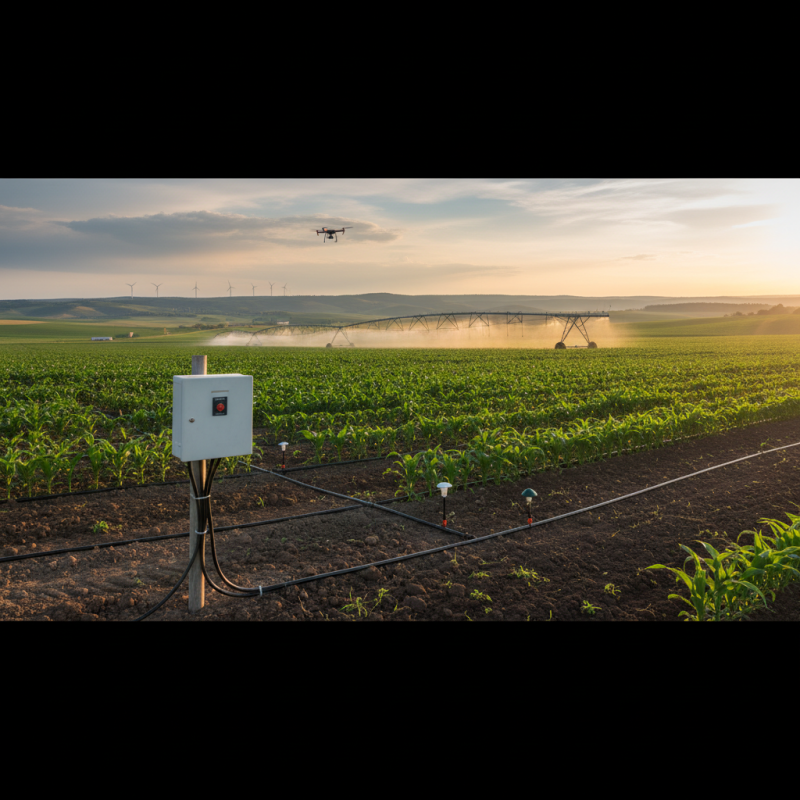
What is an Irrigation Controller?
An irrigation controller, also known as a smart irrigation system, is a device that automates the process of watering plants, gardens, and agricultural fields. It regulates the timing and duration of irrigation based on various factors such as weather conditions, soil moisture levels, and plant water needs. By utilizing sensors and advanced algorithms, these controllers ensure that water is applied efficiently, reducing wastage and optimizing overall water usage.
One of the key features of an irrigation controller is its ability to adapt to changing environmental conditions. For instance, if rainfall occurs, the controller can adjust the watering schedule to avoid unnecessary irrigation, thereby conserving water. Additionally, many controllers can be programmed to account for the specific requirements of different plants, promoting healthier growth while minimizing water consumption. By leveraging technology, irrigation controllers not only enhance the sustainability of water resources but also contribute to more effective and responsible landscape management.
What is an Irrigation Controller and How Does it Improve Water Efficiency
| Feature |
Description |
Benefit |
| Automated Scheduling |
Allows users to set specific times for watering. |
Optimizes water usage by ensuring plants are watered only when needed. |
| Weather-Based Adjustments |
Adjusts watering schedules based on local weather conditions. |
Reduces water waste during rain or when humidity is high. |
| Soil Moisture Sensors |
Detects current moisture levels in the soil. |
Ensures watering only occurs when soil is dry, preventing overwatering. |
| Remote Control Access |
Allows users to control the system via smartphone or computer. |
Enhances convenience and control over irrigation from anywhere. |
| Alerts and Notifications |
Notifies users of system performance and maintenance needs. |
Keeps the irrigation system running optimally and efficiently. |
Components of an Irrigation Controller
An irrigation controller is a critical component in modern landscaping and agriculture, designed to optimize water usage while maintaining plant health. At its core, an irrigation controller manages the timing and duration of watering sessions based on a variety of environmental factors. The essential components of an irrigation controller include a timer, sensors, and a programming interface.
The timer allows users to schedule watering times and durations, providing flexibility to adapt to seasonal changes. Sensors such as rain, soil moisture, and temperature gauges offer real-time data, enabling the controller to adjust watering based on current weather conditions. This means that on a rainy day, the system can skip scheduled watering, thus conserving water resources. A user-friendly programming interface ensures that even those with limited technical knowledge can operate the system efficiently.
**Tips:** When setting up an irrigation controller, consider grouping plants with similar water needs together. This allows for more efficient watering schedules that cater specifically to the requirements of different plants. Additionally, regularly checking and cleaning the sensors can help maintain accurate readings, which further enhances water efficiency.
How Irrigation Controllers Optimize Water Usage
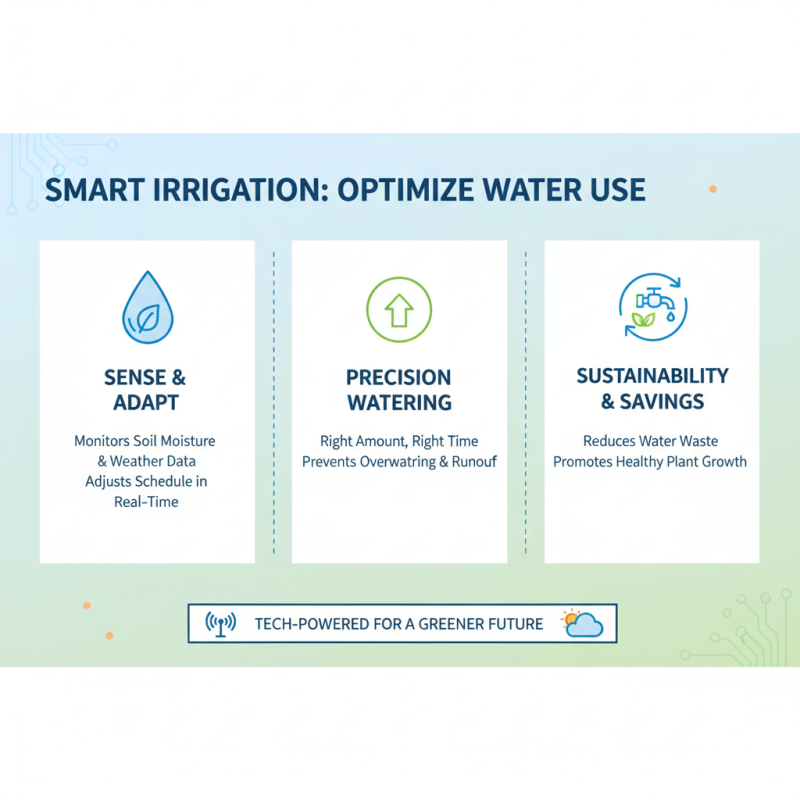
Irrigation controllers are essential tools that help optimize water usage in landscaping and agriculture. By utilizing advanced technology, these devices intelligently monitor and adjust watering schedules based on real-time environmental conditions. This ensures that plants receive the precise amount of water they need, preventing overwatering and reducing waste. Through data collection on soil moisture, weather forecasts, and plant requirements, irrigation controllers enhance the efficiency of water use, contributing to sustainable gardening and farming practices.
To maximize the benefits of irrigation controllers, consider these tips: first, ensure your system is equipped with soil moisture sensors. These sensors provide real-time feedback on the actual moisture levels in the soil, enabling the controller to adjust watering schedules accurately. Second, set your irrigation times to early morning or late evening when evaporation rates are lower. This practice allows more water to penetrate the soil rather than being lost to the atmosphere. Lastly, regularly monitor and maintain your irrigation system, checking for leaks or clogs that could hinder performance and lead to water wastage.
By implementing these strategies, irrigation controllers not only improve water efficiency but also help promote healthier plants and maintain lush landscapes. Their ability to adapt automatically to changing conditions makes them an invaluable asset for responsible water management.
Benefits of Using Irrigation Controllers for Sustainable Landscaping
Irrigation controllers play a crucial role in enhancing water efficiency for sustainable landscaping. These devices automate the watering process, ensuring that plants receive the optimal amount of water without wastage. By integrating sensors and smart technology, irrigation controllers can adjust watering schedules based on weather conditions, soil moisture levels, and plant needs, thereby reducing overwatering and conserving valuable water resources.
One of the key benefits of using irrigation controllers is their ability to promote healthier landscapes. Regular and appropriately timed watering encourages deeper root growth, which not only enhances plant resilience but also reduces the likelihood of diseases caused by over-saturation. Additionally, with the right controller, homeowners can achieve uniform water distribution, ensuring that every plant receives the care it needs without excess runoff.
**Tips:** To maximize the benefits of your irrigation controller, consider setting it to operate during the early morning or late evening when evaporation rates are lower. This timing can help conserve water and promote effective absorption. It's also beneficial to regularly check and maintain your system for any leaks or blockages, which can undermine its efficiency. By adjusting your watering schedule seasonally, you can further optimize water usage based on changing weather conditions.
Comparison of Manual vs. Automated Irrigation Systems
When it comes to irrigation systems, the choice between manual and automated approaches can significantly impact water efficiency and overall resource management. Manual irrigation systems require farmers or gardeners to physically manage water application, often leading to inconsistent watering schedules and potentially excessive water usage. Without precise control over timing and quantity, manual systems can contribute to water waste, particularly during rainy seasons or extreme heat, where evaporation rates are heightened.
In contrast, automated irrigation systems utilize technology to optimize water application based on real-time data and environmental conditions. These systems can incorporate sensors that detect soil moisture levels, weather forecasts, and even evapotranspiration rates. By adjusting the watering schedule accordingly, automated systems not only enhance water efficiency but also promote healthier plant growth. This precision not only conserves water but also reduces operational costs in the long run, as farmers can avoid overwatering and decrease the need for fertilizers that runoff with excess irrigation. Thus, while manual systems may be simpler and less costly upfront, automated systems offer a more sustainable and effective solution for modern irrigation needs.