Essential Guide to Choosing the Right Sprinkler Valves?
Choosing the right sprinkler valves is crucial for effective irrigation. Sprinkler valves control water flow in irrigation systems. A good valve can ensure efficient watering, prevent leaks, and provide reliability in various weather conditions.
Many homeowners and landscapers struggle with this choice. With so many options, it's easy to feel overwhelmed. Each type has its advantages and disadvantages. It's important to understand the specific needs of your system. A poorly chosen valve can lead to damage and increased costs.
Consider your water pressure and system size before making a decision. Research the materials used in valve construction. Corrosion-resistant materials may offer longer life spans. Adapting to local climate conditions is also important. Reflect on your past experiences and learn from them. The right sprinkler valve can streamline your irrigation process and save you time and money.
Understanding the Basics of Sprinkler Valves
When selecting sprinkler valves, understanding their basics is crucial. Sprinkler valves regulate water flow, controlling the distribution of irrigation. They come in various types, including electric, hydraulic, and manual. Each type provides unique benefits and is suited for different situations. Electric valves are popular for automated systems, while manual valves offer simplicity and reliability.
Installation may seem straightforward, but mistakes can happen. It’s essential to ensure proper alignment with your irrigation system. Misalignments can lead to leaks or functional issues. Regular maintenance is vital too. Neglecting valve upkeep can result in reduced performance over time. Consider a checklist to help spot issues early.
Choosing the right materials is also important. Valves made from durable materials will withstand weather changes. Plastic valves are lightweight and resistant to corrosion. Metal valves, however, can offer longevity and strength. Evaluate your environment before deciding. Each component affects overall system efficiency. Balancing these choices may require multiple considerations and adjustments.
Types of Sprinkler Valves and Their Applications
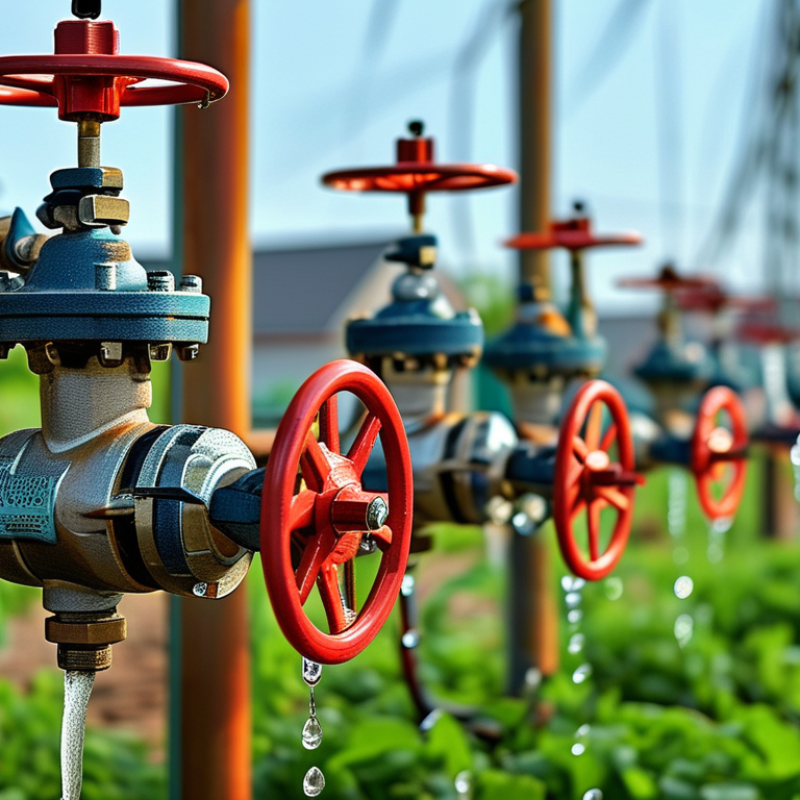
When selecting sprinkler valves, understanding the different types is essential. There are three main types: angle valves, globe valves, and stop valves. Angle valves are typically used in irrigation systems where space is limited. Their unique design allows for seamless operation even in tight areas.
Globe valves, on the other hand, are preferred for their ability to manage water flow effectively. They have a spherical body shape, which helps in controlling the flow rate better than most. This feature makes them ideal for more complex sprinkler systems. However, they may not perform well in extreme conditions, which requires thorough examination.
Stop valves are crucial for controlling the flow of water in both residential and commercial setups. Their simplicity is a major advantage, but it can also lead to issues over time. They might get stuck or fail, leading to leaks or pressure drops. Monitoring these valves is essential to prevent maintenance problems. Each type of valve serves a unique purpose, and careful thought is needed to select the right one for your needs.
Key Factors to Consider When Choosing Sprinkler Valves
Choosing the right sprinkler valves is crucial for effective irrigation. Several key factors come into play. First, consider the valve type. There are electrically operated and manually controlled valves. Electric valves offer convenience, while manual ones can be more reliable in power outages. Both types have specific installation requirements. Ensure you select one that fits your irrigation system.
Next, pay attention to the valve's flow rate and pressure needs. Different plants have varying water requirements. A valve that cannot handle the flow may lead to water wastage or inefficient coverage. It's also essential to think about durability. Materials like brass, plastic, or stainless steel each have their pros and cons. Selecting the wrong material can result in early failure.
Reflecting on past experiences can guide your choice. Sometimes, it's easy to overlook compatibility with existing parts. This oversight can lead to frustration or costly repairs. It’s helpful to consult professionals or reliable resources for advice. They can provide insight based on their expertise and experience in the field. Taking the time to consider these factors carefully will lead to a more efficient and satisfactory irrigation system.
Common Mistakes to Avoid in Selecting Sprinkler Valves
Choosing the right sprinkler valves involves careful consideration to avoid common pitfalls. One frequent mistake is overlooking the specific requirements of your irrigation system. Each system has unique flow rates and pressure levels. Failing to match the valve specifications could lead to inefficient watering or even damage.
Another error is neglecting the valve material. Different materials can withstand varying environmental conditions. Plastic valves may work fine in mild climates, but metal valves are often better for harsher environments. Ignoring this can result in premature wear and tear, causing costly repairs.
Lastly, many people underestimate the importance of proper installation. A poorly installed valve can create leaks, reducing efficiency. Take time to review installation guides or consult with an expert. This attention to detail ensures your system operates smoothly and effectively.
Maintaining and Troubleshooting Your Sprinkler Valves
Maintaining and troubleshooting your sprinkler valves is essential for efficient irrigation. Regular checks can prevent common malfunctions, ensuring your system operates smoothly. A study by the Irrigation Association shows that improper valve maintenance can lead to up to 30% water wastage. This not only affects your landscape but also inflates your water bill.
Start by checking for leaks. A small leak can waste hundreds of gallons of water over time. Inspect the valve diaphragm for tears or sediment build-up. Clean the valve regularly to remove dirt. The pressure should be consistent; fluctuations may signal a deeper issue. Pay attention to unusual noises, indicating potential mechanical problems.
If you encounter valve failure, it’s crucial to identify the root cause. An estimated 15% of repaired valves fail again within a year, pointing to improper troubleshooting. Document each issue and your repair attempts. This helps in recognizing patterns, making your system more reliable. With diligence and proper care, your sprinkler valves can perform effectively for years to come.