What is the Function of Rotary Nozzles in Sprinkler Systems?
In the realm of irrigation, rotary nozzles play a crucial role in enhancing efficiency and water distribution. According to the Irrigation Association's 2022 report, systems using rotary nozzles can reduce water usage by up to 30%. This technology allows for more precise watering, targeting plants while minimizing waste. "Rotary nozzles provide a better uniformity of water application," states Dr. Jane Thompson, a leading expert in irrigation systems.
These nozzles offer a unique rotating spray pattern that helps cover larger areas with less water. They are designed to withstand wind and pressure fluctuations. Rotary nozzles can adapt to various environmental conditions, making them suitable for different landscapes. This adaptability is vital as water conservation becomes increasingly important.
However, reliance on rotary nozzles is not without challenges. Installation and maintenance can be complex. Users must ensure they are compatible with existing systems. If not, inefficiencies may arise. It's essential to continually evaluate system performance to maximize benefits. Understanding how rotary nozzles function can lead to significant improvements in landscape irrigation practices.
Understanding the Basics of Rotary Nozzles in Sprinkler Systems
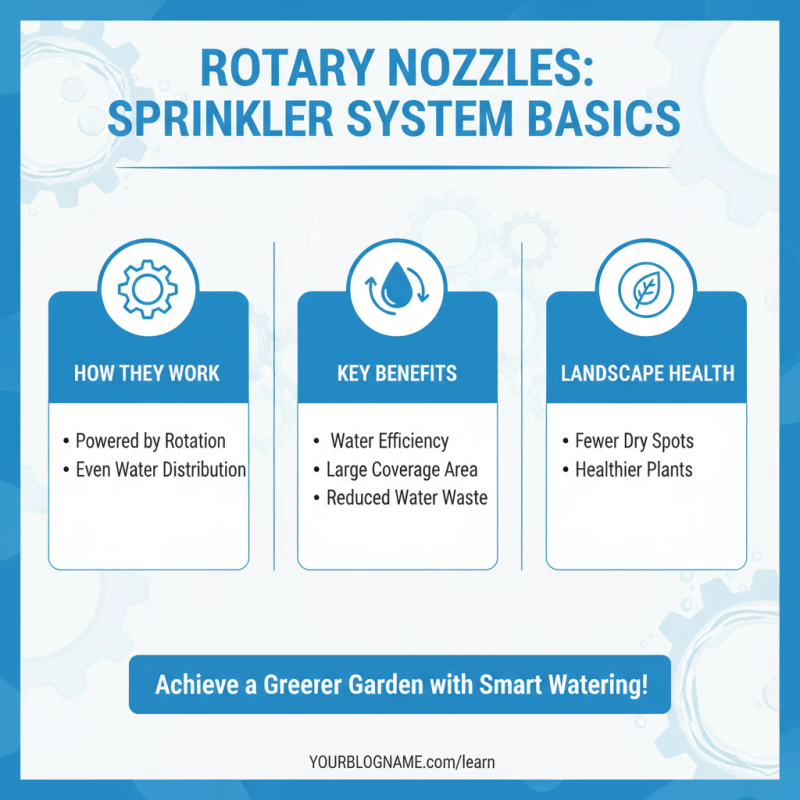
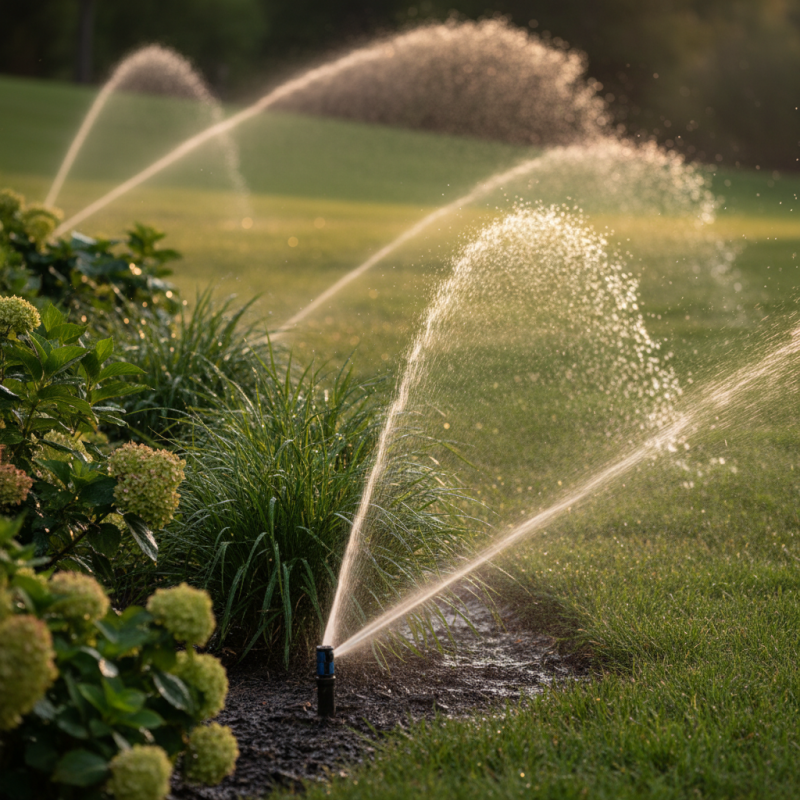
Rotary nozzles are an essential component in modern sprinkler systems. They provide efficiency in watering landscapes. Powered by rotation, these nozzles distribute water evenly. The spray pattern can cover a large area with minimal output. This means fewer water spots are missed. Improved coverage helps in maintaining healthy plants.
One significant advantage of rotary nozzles is their water-saving feature. They apply water slowly, allowing for better absorption. This prevents runoff and erosion in gardens. However, if not adjusted correctly, problems arise. Inconsistent watering can lead to dry patches or over-saturation. A balance must be struck for optimal results.
Understanding the hydraulic principles behind rotary nozzles is crucial. Nozzles operate based on water pressure and angle. If the pressure is too low, the rotation is compromised. Conversely, too high a pressure can lead to misting. Evaluating the system's setup ensures that rotary nozzles function effectively. Regular checks help identify potential issues. Ensuring proper maintenance is vital for long-lasting performance.
The Mechanism of Action of Rotary Nozzles Explained
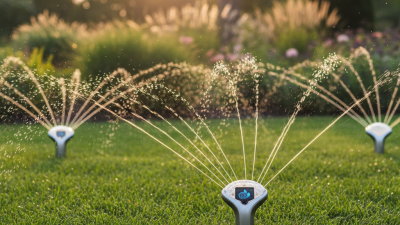
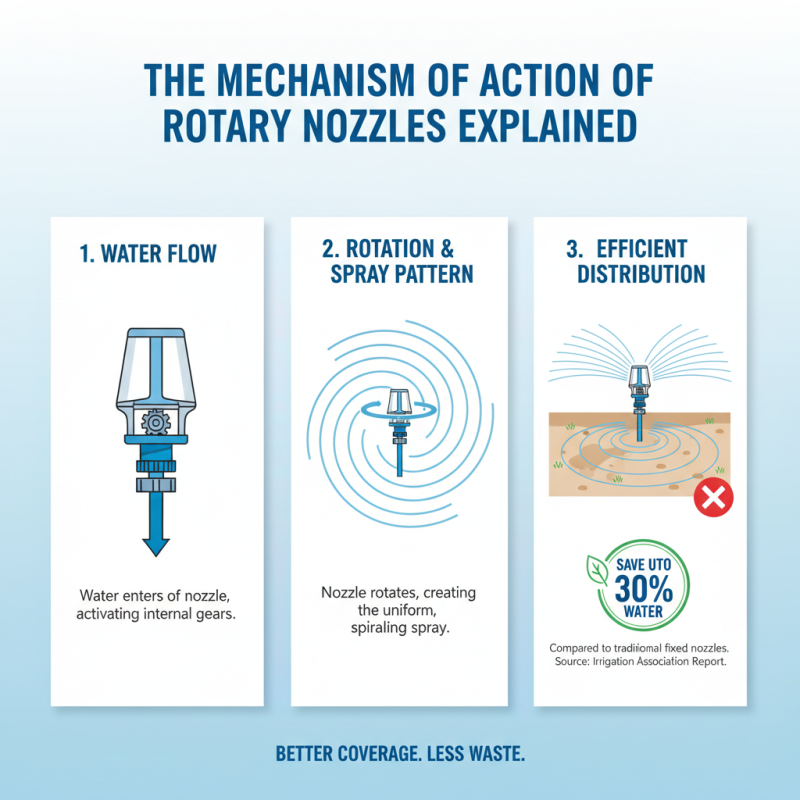
Rotary nozzles play a critical role in modern sprinkler systems. They operate by rotating as water flows through them, creating a unique spray pattern. This design allows for better coverage and uniform distribution of water. According to a report from the Irrigation Association, using rotary nozzles can reduce water consumption by up to 30% compared to traditional fixed spray nozzles.
The mechanism of rotary nozzles involves both mechanical and hydraulic principles. Water pressure forces the nozzle to spin, which breaks the water stream into smaller droplets. These droplets have a higher evaporation resistance, which ensures that more water reaches the soil. A study conducted by the EPA highlighted that rotary nozzles can increase efficiency in irrigation practices, leading to healthier landscapes with less water waste.
Despite their advantages, rotary nozzles are not without challenges. They require proper installation to ensure optimal performance. If not positioned correctly, some areas may receive insufficient water. Over time, dirt and debris can clog the nozzles, further impacting performance. Regular maintenance is crucial to maximize their efficiency and longevity. Ensuring that the system is working well demands attention and encourages stillness in a fast-paced world.
Advantages of Using Rotary Nozzles Over Traditional Sprinkler Heads
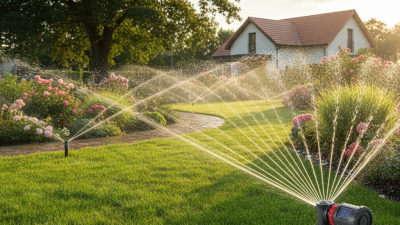
Rotary nozzles are gaining popularity in modern sprinkler systems. They deliver water more efficiently than traditional sprinkler heads. These nozzles rotate while spraying, providing a wider coverage area. This efficiency leads to better water distribution. Consequently, gardens and lawns receive uniform moisture. It's a smart choice for water conservation.
One of the main benefits is reduced water waste. Rotary nozzles apply water at a slower rate. This allows the soil to absorb moisture effectively. Traditional spray heads often cause run-off. This means water is wasted, and plants suffer. It's essential to consider the soil type and plant needs before installation.
Tip: Regularly inspect your nozzles for clogs. Clogs can affect performance and lead to uneven watering. Check for any signs of wear as well. Proper maintenance increases efficiency and longevity.
Some users find that initial installation requires adjustments. Their flexibility often demands careful planning. Yet, many agree the long-term savings make it worthwhile. Assessing your landscape’s specific needs is vital. Each garden is unique, and what works for one may not suit another.
Benefits of Rotary Nozzles Compared to Traditional Sprinkler Heads
Applications of Rotary Nozzles in Various Irrigation Scenarios
Rotary nozzles play a crucial role in modern irrigation systems. They enhance water distribution efficiency and reduce runoff. These nozzles rotate while they spray, creating a wider water pattern. This is particularly beneficial in residential gardens and sports fields where uniform coverage is essential. Research shows that rotary nozzles can use up to 30% less water compared to traditional spray nozzles, making them an environmentally sound choice.
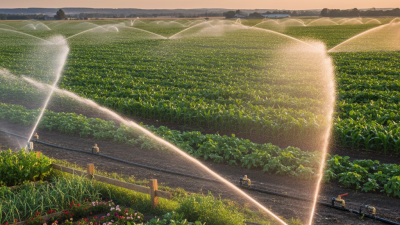
In agricultural scenarios, the effectiveness of rotary nozzles can lead to healthier crops. Their ability to maintain moisture levels in soil reduces the need for frequent watering. Studies indicate that farmers using rotary nozzles reported improved crop yields by approximately 15%. However, not every scenario suits rotary nozzles perfectly. In very small or tightly planted areas, they may overspray, leading to uneven watering.
Rotary nozzles are also popular in commercial landscapes. With the growing emphasis on sustainability, their efficiency aligns well with water conservation goals. Managing irrigation costs is key for businesses; optimizing water use translates to significant savings. While installing rotary nozzles can incur higher initial costs, the long-term benefits often outweigh expenses. Observations show that installations recover costs within a few years through reduced water bills.
What is the Function of Rotary Nozzles in Sprinkler Systems?
| Irrigation Scenario |
Rotary Nozzle Function |
Application Benefits |
| Residential Lawns |
Uniform water distribution with adjustable radius |
Reduces water runoff, promotes deep root growth |
| Golf Courses |
Efficient watering of large grassy areas |
Minimizes water usage while maintaining turf quality |
| Agricultural Fields |
Targeted irrigation for crops |
Improves crop yield and water efficiency |
| Public Parks |
Effective coverage for diverse plant species |
Enhances aesthetics and health of green spaces |
| Sports Fields |
High pressure spray for rapid watering |
Maintains playable surfaces and reduces downtime |
Maintenance and Troubleshooting Tips for Rotary Nozzles in Sprinklers
Rotary nozzles play a crucial role in sprinkler systems, delivering efficient water distribution. Regular maintenance is essential to prevent common issues. Begin by inspecting the nozzles for clogs. Debris can build up, affecting water flow. Flush the nozzles with water to clear any blockages.
Check the spray pattern frequently. Misalignment may lead to watering sidewalks instead of lawns. Adjusting these nozzles correctly ensures optimal coverage. Pay attention to the rotor's speed as well. If it's too fast, it may result in uneven watering.
Consider seasonal changes, too. Cold weather can damage components. Inspect for cracks or leaks after winter. Keeping a maintenance schedule helps prolong the life of rotary nozzles. Reflect on your system's performance regularly to address any issues promptly. This proactive approach can save time and resources.