Fixed Sprinkler System Tips for Optimal Watering Efficiency?
In recent years, the importance of efficient water management has surged. Fixed sprinkler systems have become a popular choice for landscaping. They provide consistent coverage and save time in watering. According to a report by the Irrigation Association, efficient watering practices can reduce water usage by up to 50%. This highlights the need for well-designed fixed sprinkler systems.
However, many homeowners overlook proper system maintenance. A study found that poorly maintained systems waste up to 30% of water. Issues such as clogged nozzles or misaligned heads can lead to inefficient watering. Regular checks are essential to ensure that fixed sprinkler systems deliver optimal performance.
Moreover, the choice of the right timer and watering schedule is crucial. The smart irrigation market is projected to grow significantly, indicating a shift toward advanced technology. Despite these advancements, many users still rely on outdated practices. This disconnect underscores the need for ongoing education and reflection on watering strategies.
Understanding the Basics of Fixed Sprinkler Systems
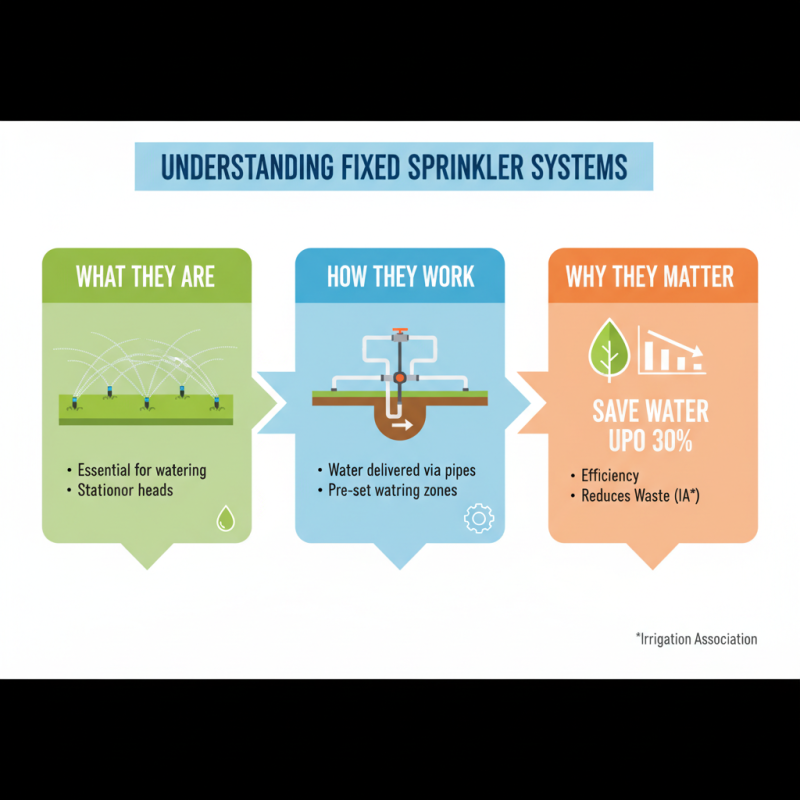
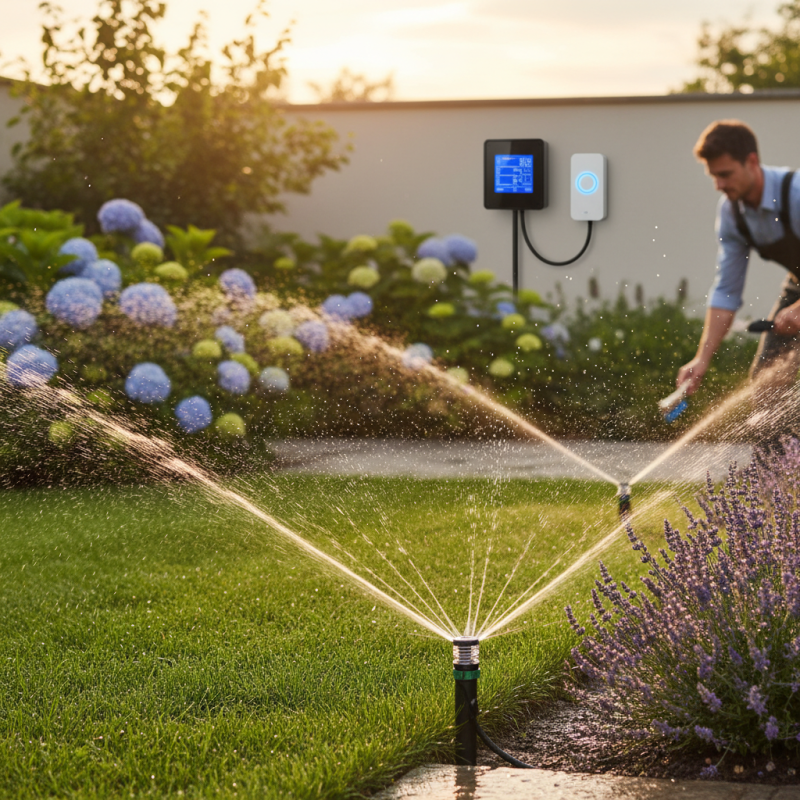
Fixed sprinkler systems play a crucial role in efficient watering. Understanding how these systems function is essential for optimal results. According to the Irrigation Association, properly designed systems can reduce water usage by up to 30%. This efficiency is vital, especially in regions facing water scarcity.
A basic fixed sprinkler system includes fixed spray heads and a network of pipes. The layout must consider water pressure and coverage area. Many homeowners overlook the effect of water pressure on system performance. High pressure may cause uneven watering, while low pressure can leave dry spots.
Regular maintenance is crucial. Clogged nozzles can waste up to 50% more water. Inspecting for leaks and adjusting spray patterns can significantly improve efficiency. Even small changes, like changing the sprinkler’s angle, can enhance your watering routine. A thoughtful approach to these basics can lead to better water management.
Choosing the Right Sprinkler Heads for Your Garden
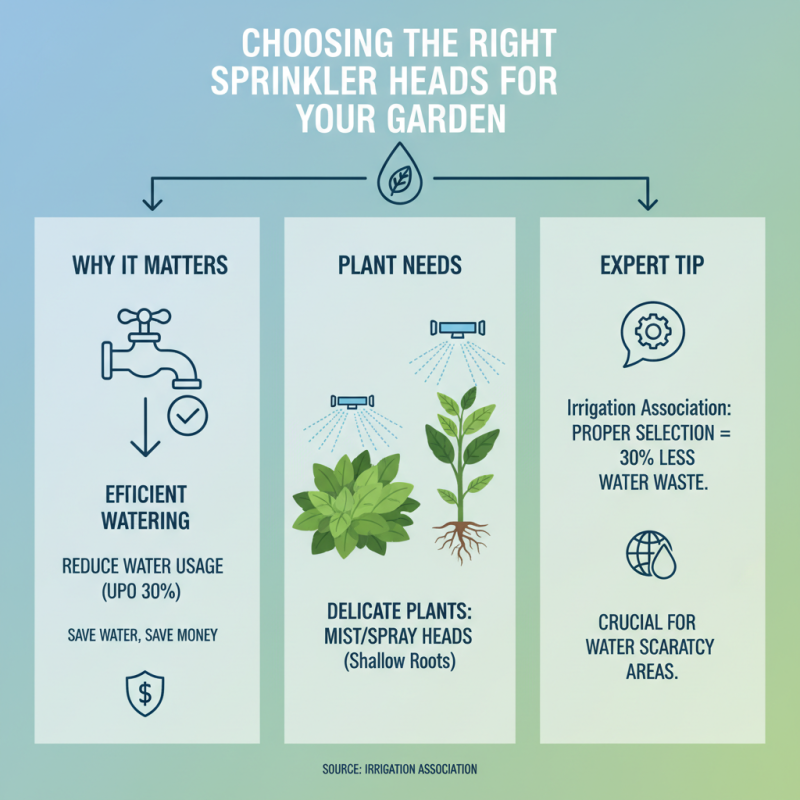
Choosing the right sprinkler heads is crucial for efficient watering. Many gardeners overlook this step. According to the Irrigation Association, proper head selection can reduce water usage by up to 30%. This is significant, especially in areas with limited water resources. Different plants have diverse water needs. Therefore, the right sprinkler head can ensure each type receives adequate moisture.
Pressure and reach are vital factors in choosing sprinkler heads. For instance, rotating sprinklers cover large areas, while drip systems target specific plants. Yet, gardeners often misuse these options. Mismatched heads can lead to dry spots or overwatering. A study by the EPA found that 65% of sprinkler systems are not optimized for their landscape. This inefficiency wastes water and can harm plants.
Selecting adjustable sprinkler heads can offer versatility. They can adapt to various conditions as plants grow or seasonal changes occur. However, even adjustable systems require regular maintenance. Blockages can arise from debris. It's easy to forget about upkeep in a busy garden. Ignoring this can decrease efficiency by up to 50%. Regular checks will help maintain optimal performance and conserve water.
Water Conservation Techniques for Efficient Sprinkler Use
Water conservation is vital in today's world. Efficient use of a Fixed Sprinkler System can reduce water waste significantly. On average, lawn irrigation can consume up to 50% of total household water use. This emphasizes the need for smart practices in sprinkler management.
To enhance efficiency, monitor your system regularly. Check for leaks and ensure all heads are functioning well. Fixing leaks can save almost 10,000 gallons of water annually. Adjust your sprinkler settings according to weather conditions. For instance, during rainy days, reduce or skip watering entirely. This simple change can actively conserve water.
Additionally, time your watering. Early morning is ideal as evaporation rates are lower. Aim for 20-30 minutes per session for each zone. Too much water can lead to runoff and saturation issues. Consider adding moisture sensors to your system. They provide real-time feedback and can prevent overwatering. Engaging in these practices may seem minor, but collectively, they contribute to a more sustainable approach. Embrace the challenge of refining your system for better results.
Scheduling Watering Times for Maximum Plant Health
When it comes to maintaining a healthy garden, timing is everything. Scheduling watering times can significantly impact plant health. Studies have shown that early morning is the best time for irrigation. The temperature is cooler, and wind speeds are lower, which reduce evaporation. This leads to more water being absorbed by the roots. According to the USDA, plants generally require about 1 inch of water per week for optimal growth.
**Tip:** Set your sprinklers to operate between 5 AM and 8 AM. This allows the water to penetrate the soil before the sun heats it up.
Adjusting the schedule according to seasonal changes is also crucial. In hot summers, plants may need extra watering. Conversely, during rainy seasons, watering frequency should be reduced. Overwatering can lead to root rot and other issues. Many gardeners underestimate moisture levels in the soil, leading to ineffective watering practices.
**Tip:** Use a moisture meter to get accurate readings of soil moisture. These tools can help you make informed decisions about when to water, preventing waste.
Overall, understanding plant needs and adjusting watering times can dramatically improve garden health and efficiency.
Fixed Sprinkler System Tips for Optimal Watering Efficiency
| Plant Type |
Watering Frequency (Days) |
Best Time to Water |
Duration (Minutes) |
Water Requirement (Liters) |
| Tomato |
3 |
Early Morning |
20 |
10 |
| Lettuce |
2 |
Late Afternoon |
15 |
8 |
| Cucumber |
4 |
Morning |
25 |
12 |
| Peppers |
3 |
Early Morning |
20 |
10 |
| Zucchini |
5 |
Evening |
30 |
15 |
Regular Maintenance Tips to Optimize Sprinkler Performance
A fixed sprinkler system can be a great asset for maintaining your garden. However, regular maintenance is crucial to ensure optimal performance. Start by checking for broken or clogged sprinkler heads. Dirt and debris can easily block them. Clean or replace these heads when needed to prevent uneven watering.
Adjust the direction of your sprinklers. Sometimes they miss certain areas, leaving patches dry. You might not notice until it’s too late. Regularly reassess coverage patterns and make adjustments. This small step can save you water and money in the long run.
Inspect the water pressure as well. Low pressure can lead to ineffective watering, while high pressure might damage your system. Consider investing in a pressure gauge. It’s a simple tool that can offer insight into your system’s efficiency. If you notice any irregularities, it might be time to dig deep and troubleshoot. Constant vigilance can create a thriving, lush landscape.
Fixed Sprinkler System Watering Efficiency Comparison
This chart illustrates the optimal watering efficiency of different types of fixed sprinkler systems based on their water usage and coverage area. Regular maintenance can significantly improve performance.