10 Essential Tips for Choosing Rotary Nozzles for Your Irrigation System?
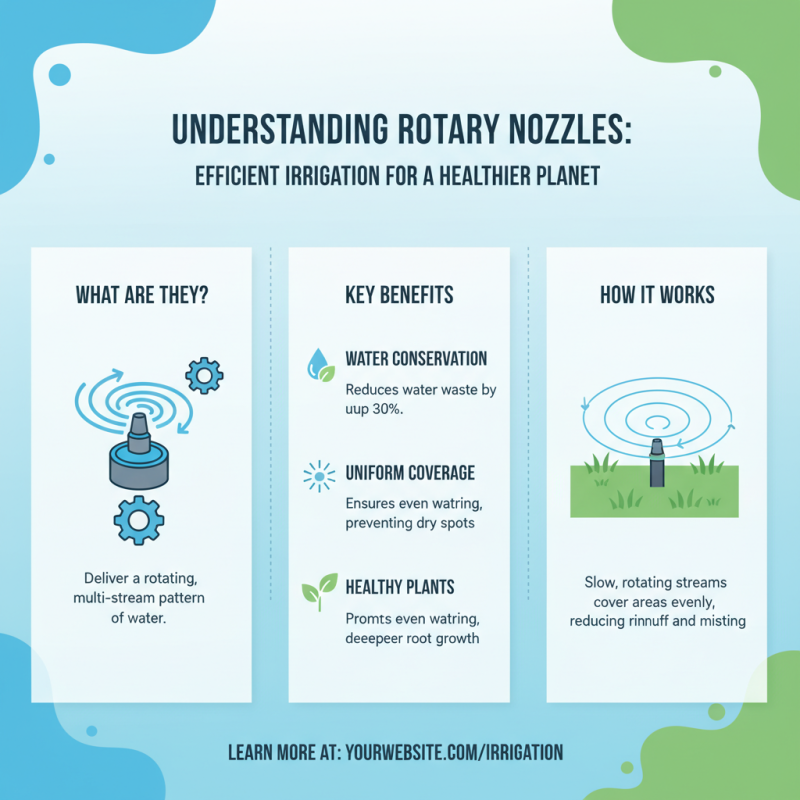
When selecting rotary nozzles for your irrigation system, precision is crucial. The effectiveness of your irrigation directly affects plant health and water conservation. According to a report by the Irrigation Association, using rotary nozzles can reduce water usage by up to 30 percent compared to conventional fixed nozzles. This statistic underscores the significance of making informed choices.
Renowned irrigation expert Dr. Jason Williams states, "The right rotary nozzles can drastically improve efficiency and reduce runoff." His insights emphasize the importance of understanding nozzle types and application patterns. However, making the right choice involves careful consideration of factors like nozzle trajectory, precipitation rates, and landscape types.
Many users overlook how specific nozzle features impact performance. Selecting a rotary nozzle that fits your unique landscape conditions can enhance water distribution. As you delve deeper into this topic, reflecting on these criteria will guide you toward an effective irrigation solution.
Understanding Rotary Nozzles and Their Functionality
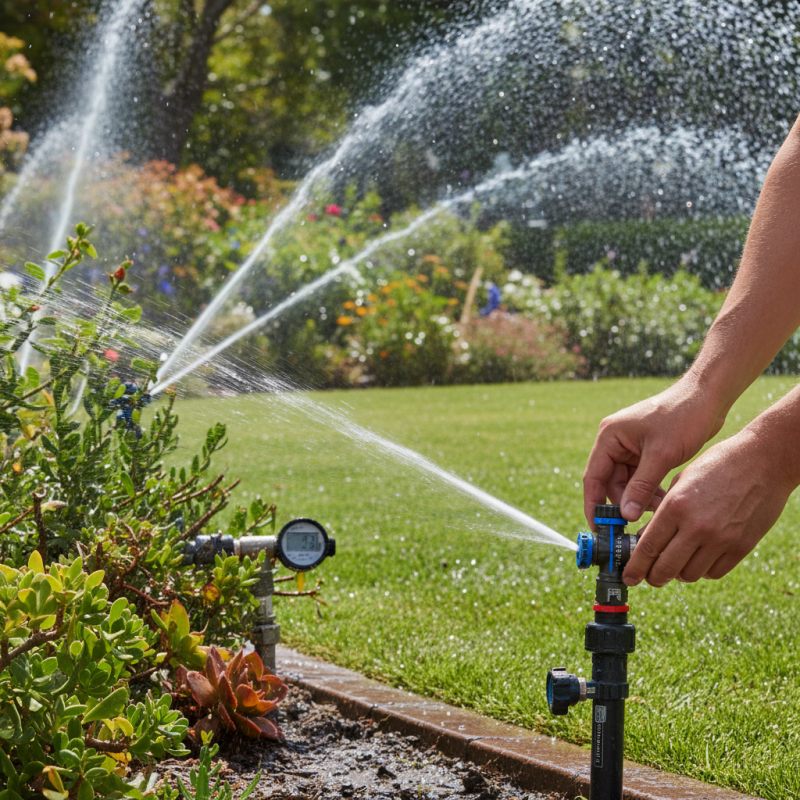
Rotary nozzles are a crucial component of modern irrigation systems. They offer an efficient way to water plants while conserving precious resources. Understanding their design and functionality is essential for anyone involved in landscaping or agriculture. A rotary nozzle delivers a rotating stream of water. This pattern ensures even coverage, which helps prevent water waste and promotes healthy plant growth.
When selecting rotary nozzles, consider the spray radius. Each model has a specific range that can affect how well your irrigation system covers your landscape. Matching the nozzle to the area is key; an oversized nozzle may lead to oversaturation, while a smaller one struggles to provide adequate coverage. Be cautious when making your choice. Sometimes, what appears to be an ideal option can fall short in real-world applications.
Another factor to assess is the flow rate. It impacts water pressure and distribution efficiency. A nozzle with a higher flow rate can cover larger areas quickly but may require more frequent adjustments. Think about your landscape’s unique needs and conditions before deciding. Understanding these details will help you make an informed choice, avoiding potential pitfalls that others may overlook.
Evaluating the Landscape Needs for Efficient Irrigation
When focusing on irrigation systems, understanding the unique landscape needs is paramount. A well-designed irrigation system considers soil type, plant species, and topography. For example, sandy soils require more frequent watering due to faster drainage. A study from the Irrigation Association reveals that over 60% of homeowners overwater their lawns, often due to lack of knowledge about their specific landscape requirements.
Rotary nozzles can help promote efficient water use in various landscapes. These nozzles deliver a fine spray, covering larger areas while reducing water runoff. According to a report by the American Society of Agricultural and Biological Engineers, using rotary nozzles can save up to 30% more water compared to traditional sprays. Evaluating plant density also plays a crucial role. For instance, densely planted areas may need adjustments in nozzle settings to ensure even watering without wastage.
Many users underestimate how climate influences irrigation needs. Areas with higher evaporation rates might require more frequent applications. This can lead to a mismatch between the nozzle output and the landscape's water needs. Landscape architects and irrigation professionals recommend conducting a thorough audit of your landscape to identify such discrepancies. A well-informed approach, paired with adopting rotary nozzles, establishes a foundation for sustainable irrigation practices.
Comparing Flow Rate and Coverage Area of Different Nozzles
When selecting rotary nozzles, understanding flow rate and coverage area is crucial. Different nozzles offer various performance metrics. Matching these attributes to your irrigation needs ensures efficient water distribution. A nozzle with a high flow rate may cover a larger area, but it can lead to water wastage if not chosen wisely.
Consider your landscape’s specific needs. For example, dense plantings require more water, while arid areas may need less coverage. Evaluate how well the nozzle distributes water across the intended area. Too much overlap can create puddles, while too little can leave dry spots. Measure your landscape area accurately before making a choice.
Evaluate the nozzle’s design and its adaptability to different conditions. Some nozzles may not perform optimally in windy areas. It is vital to assess these factors thoroughly. Poor selection can lead to uneven watering and plant stress. Always take time to rethink your selections. Reflecting on past choices can guide future decisions. Remember, the right nozzle should enhance, not complicate, your irrigation system.
10 Essential Tips for Choosing Rotary Nozzles for Your Irrigation System
| Nozzle Type |
Flow Rate (GPM) |
Coverage Area (sq ft) |
Recommended Pressure (psi) |
Application |
| Standard Rotary Nozzle |
1.0 |
2,000 |
30-50 |
General Landscaping |
| High-Efficiency Rotary Nozzle |
0.6 |
1,800 |
25-40 |
Water-Saving Applications |
| Adjustable Rotary Nozzle |
0.8 |
2,200 |
30-50 |
Custom Coverage |
| Fixed Rotary Nozzle |
1.2 |
2,500 |
35-55 |
Large Turf Areas |
| Low-Flow Rotary Nozzle |
0.3 |
1,200 |
20-30 |
Delicate Plants |
Assessing Durability and Maintenance Requirements of Nozzles
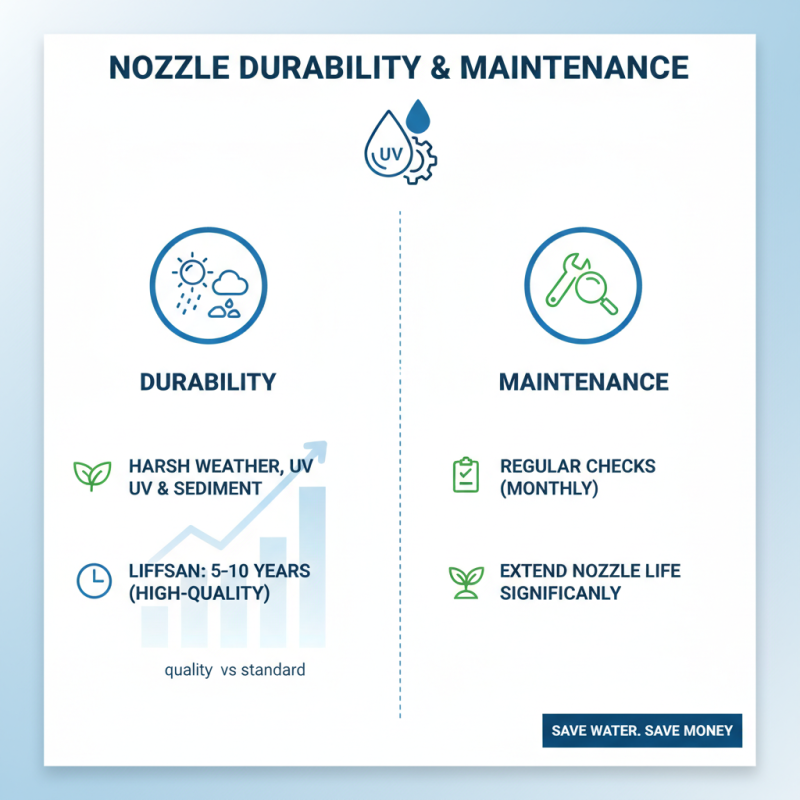
When selecting rotary nozzles for your irrigation system, durability is crucial. Nozzles endure harsh weather, UV exposure, and sediment. According to industry reports, high-quality nozzles have a lifespan of five to ten years. However, many homeowners overlook maintenance. Regular checks can significantly extend nozzle life.
Maintenance requirements also vary widely. Some nozzles require frequent cleaning, while others feature self-cleaning mechanisms. A study in the Irrigation Journal noted that neglected nozzles could reduce efficiency by 30%. Over time, wear and tear can lead to uneven water distribution. Maintaining nozzles not only ensures optimal performance but can also reduce water costs.
Considerable attention should be given to materials used in nozzle construction. Advanced models often utilize robust plastics or metals. These materials resist corrosion and wear. Research shows that products made from high-density polyethylene can withstand intense pressure. Choosing the right material can lead to less frequent replacements, saving money in the long run. Regular monitoring and timely replacements are essential to maintain your system’s effectiveness.
Selecting Nozzles Based on Soil Type and Plant Watering Needs
Choosing the right rotary nozzles for your irrigation system requires careful consideration. One critical factor is soil type. Different soils absorb water at varying rates. For instance, sandy soils drain quickly, often needing more frequent watering. Conversely, clay soils retain water longer but can lead to runoff if overwatered. Understanding your soil can guide nozzle selection to maximize efficiency.
Plant watering needs are equally important. Different plants have unique water requirements. Vegetables may need consistent moisture, while drought-tolerant plants require less frequent irrigation. Adjusting your nozzles based on these needs can prevent under or over-watering. For example, using adjustable nozzles can help target specific areas based on plant types.
Choosing the right rotary nozzle isn’t always straightforward. You might face challenges matching nozzles to diverse soil conditions and plant needs. Testing different nozzles can lead to more effective watering patterns. Keep in mind that what works today may not work tomorrow as your garden grows or changes. Monitoring is essential. Adjustments may be necessary to achieve optimal results.
Rotary Nozzle Selection Based on Soil Type and Plant Needs