Why Are Sprinkler Valves Essential for Effective Irrigation Systems?
Effective irrigation systems rely heavily on the proper functioning of Sprinkler Valves. These devices control water flow, ensuring plants receive the right amount of moisture. Mark Johnson, a renowned irrigation expert, once said, "Without quality valves, even the best systems will fail." This quote emphasizes the critical role these components play in gardening and agriculture.
Sprinkler Valves help manage water distribution effectively. A flaw in the valve could lead to overwatering or underwatering, both detrimental to plant health. It's essential for gardeners and farmers to understand their significance. Choosing the wrong valve might seem minor, but it can lead to larger system failures.
Inadequate awareness of Sprinkler Valves often leads to wasted resources and increased costs. Many overlook these components until a malfunction occurs. This oversight could be costly and frustrating. Recognizing the importance of these valves is vital for optimizing any irrigation system.
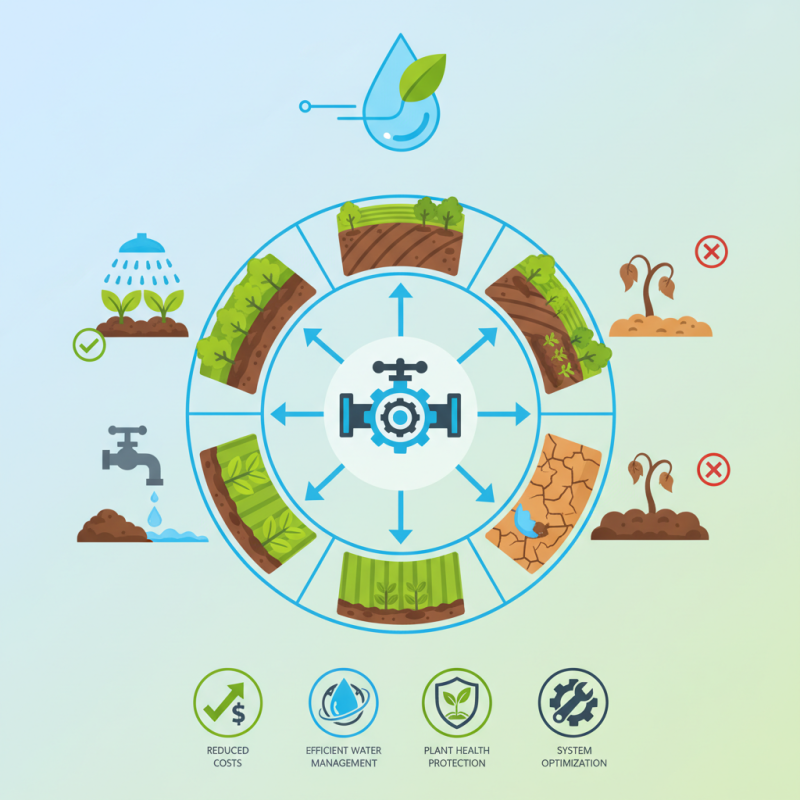
The Role of Sprinkler Valves in Agriculture and Landscaping
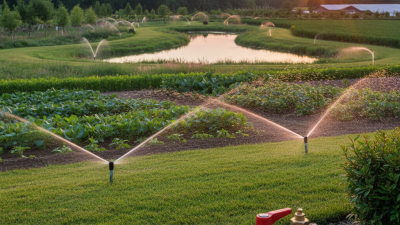
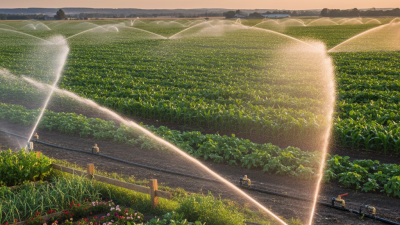
Sprinkler valves play a crucial role in managing water flow in both agriculture and landscaping. These components regulate the pressure and distribution of water, ensuring that every plant receives adequate moisture. In large agricultural fields, effective water management can lead to improved crop yields. Having the right valve setup can make a significant difference.
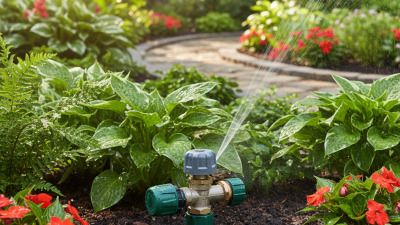
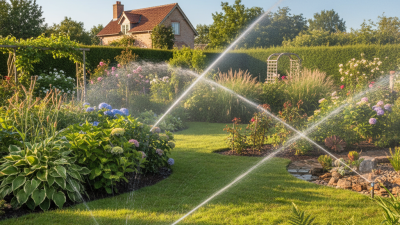
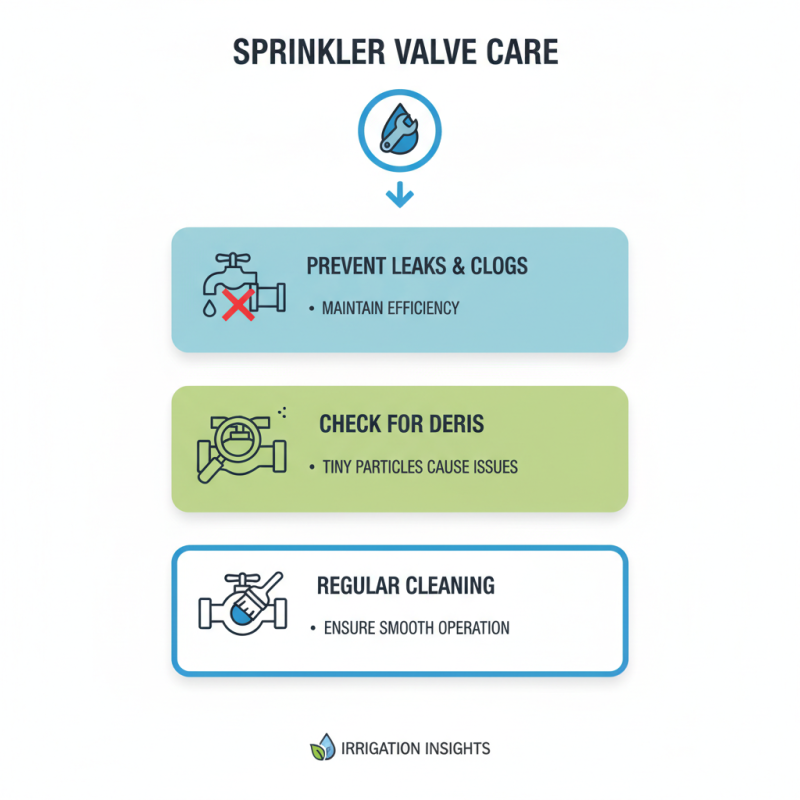
In landscaping, sprinkler valves help create beautiful gardens and lush lawns. With precise control, water is delivered only where needed. This reduces waste and conserves resources, which is increasingly important. However, improper installation or maintenance of these valves can lead to inefficiencies. It’s critical to regularly check for leaks and blockages.
Many homeowners overlook the significance of these valves. They often assume that once installed, everything will function perfectly. Yet, like any system, sprinkler valves require attention and occasional troubleshooting. Without proper care, even the best irrigation systems can fail to perform as expected. It’s a reminder that efficiency in water usage cannot be taken for granted.
Understanding Different Types of Sprinkler Valves and Their Functions
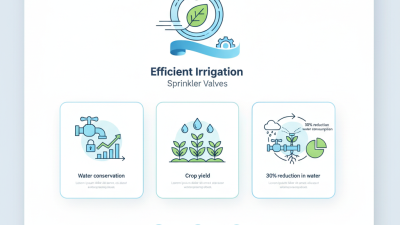
Selecting the right type of sprinkler valve is crucial for any irrigation system. There are several valve types, each serving a specific function. For example, automatic control valves can help save water. According to a report from the Irrigation Association, proper valve selection can reduce water usage by up to 30%. This demonstrates the importance of understanding valve functions.
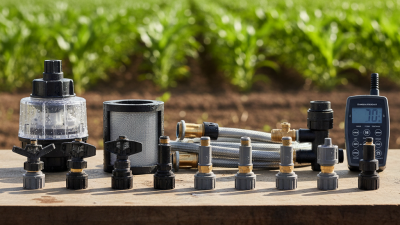
Mechanical valves are common and simple. They operate manually and are easy to install. However, they demand more attention. On the other hand, solenoid valves operate on electricity, offering convenience and efficiency. But, these require an electrical supply and can fail if power is disrupted. A study noted that 70% of irrigation failures stem from valve issues, highlighting the need for regular maintenance.
Inadequate valve choice can lead to water wastage and increased costs. Many homeowners overlook this aspect during installation. Ignoring valve maintenance can result in leaks and malfunctioning systems. It's clear that education about sprinkler valves is essential to maximize irrigation performance.
How Sprinkler Valves Improve Water Efficiency in Irrigation Systems
Sprinkler valves play a crucial role in improving water efficiency for irrigation systems. These valves control the flow and pressure of water, ensuring that every drop counts. Efficient water management is essential for healthy plants. Without proper regulation, water can go to waste.
One common issue is overwatering. Many systems don’t adjust to varying weather conditions. This leads to soggy soil. Sprinkler valves can be programmed to respond to rainfall or soil moisture levels. This adaptability helps prevent unnecessary water use. It also minimizes runoff and promotes better absorption.
However, not all systems are designed equally. Some may lack the necessary technology to optimize these functions. Regular maintenance can be a challenge. Valves might become clogged or damaged, resulting in reduced efficiency. Observing and addressing these issues is vital for effective irrigation. Small adjustments can yield significant results in water conservation.
Why Are Sprinkler Valves Essential for Effective Irrigation Systems?
This chart illustrates the varying levels of water usage efficiency in irrigation systems based on the implementation of sprinkler valves. As shown, implementing effective sprinkler valves can greatly enhance water efficiency, leading to optimal irrigation practices.
The Relationship Between Sprinkler Valves and System Pressure Regulation
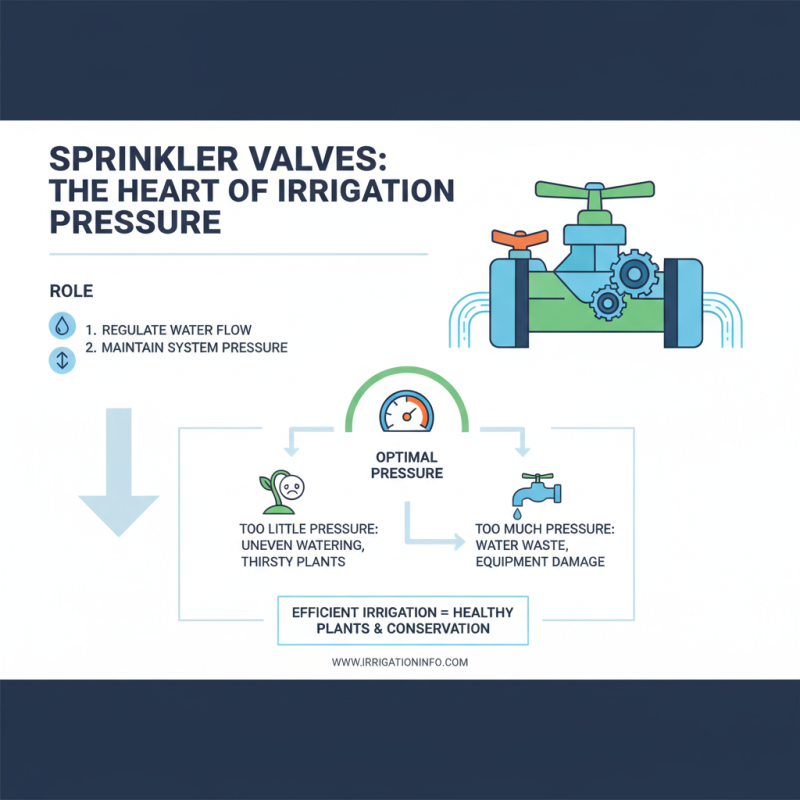
Sprinkler valves play a crucial role in maintaining system pressure. They regulate water flow and ensure plants receive consistent moisture. Without proper pressure, irrigation can become inefficient. Too much pressure can lead to waste, while too little can leave plants thirsty.
Properly functioning valves help maintain steady pressure across the system. They can adjust flow rates based on the needs of different zones. For instance, a garden section may require more water than a flower bed. Valves help in making these adjustments smoothly. However, sometimes these valves can fail. A leaky valve can disrupt the entire system, leading to uneven watering.
Regular maintenance is essential. Check for signs of wear and tear. Replace outdated valves to avoid unexpected pressure issues. It’s also important to monitor the system’s overall performance. An irregular pressure reading may indicate a problem. Addressing these issues promptly can enhance efficiency.