Essential Sprinkler Irrigation Parts for Efficient Gardening and Farming
In the realm of efficient gardening and farming, the right equipment can significantly influence productivity and sustainability. One of the essential components in modern agricultural practices is the use of Sprinkler Irrigation Parts, which provide a sophisticated means of delivering water directly to plants. By understanding the various parts that comprise a sprinkler irrigation system, gardeners and farmers can optimize water usage, reduce waste, and ensure that their crops receive the necessary hydration for healthy growth.
Sprinkler irrigation systems are versatile and adaptable, making them suitable for a wide range of gardening and farming applications. From small home gardens to extensive agricultural fields, the effectiveness of these systems largely depends on the quality and functionality of their components. Key parts such as sprinkler heads, valves, pipes, and timers work in unison to create a seamless watering experience. Thus, recognizing and selecting the best Sprinkler Irrigation Parts not only enhances efficiency but also promotes environmental stewardship by conserving water resources.
Overall, embracing the intricacies of sprinkler irrigation can lead to more productive gardening and farming practices. By leveraging the knowledge of essential Sprinkler Irrigation Parts, individuals can make informed decisions that contribute to a thriving ecosystem while nurturing their plants effectively. Investing time in understanding these components ultimately pays off in the form of lush gardens and bountiful harvests.
Essential Components of Sprinkler Irrigation Systems for Optimal Performance
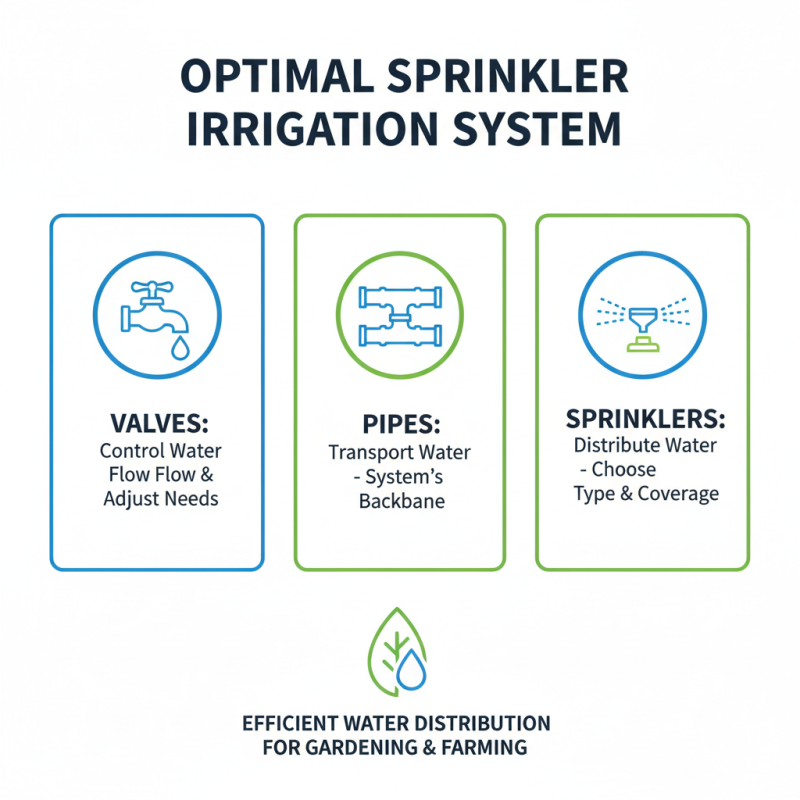
A well-designed sprinkler irrigation system is crucial for achieving optimal performance in gardening and farming. Essential components such as valves, pipes, and sprinklers play a significant role in ensuring that water is distributed efficiently. Valves control the flow of water and can be adjusted based on specific needs, while pipes serve as the backbone of the system, carrying water to various areas of your garden or field. Sprinklers, available in various types, determine the distribution pattern and coverage area, making it vital to choose the right kind for your specific needs.
To enhance the performance of your sprinkler irrigation system, consider implementing regular maintenance checks. Ensure that all connections are secure and check for leaks, as even a small leak can significantly impact water efficiency. Additionally, taking advantage of timers and smart irrigation controllers can help you automate watering schedules, ensuring your plants receive the right amount of water at the right time.
Tip: When selecting sprinkler heads, consider the size of your garden and the types of plants you are growing. Grouping plants with similar water requirements can help ensure uniform irrigation and reduce water waste. Another tip is to monitor weather patterns and adjust your irrigation schedule accordingly to prevent overwatering, especially during rainy periods.
Understanding the Role of Sprinkler Heads in Water Distribution Efficiency
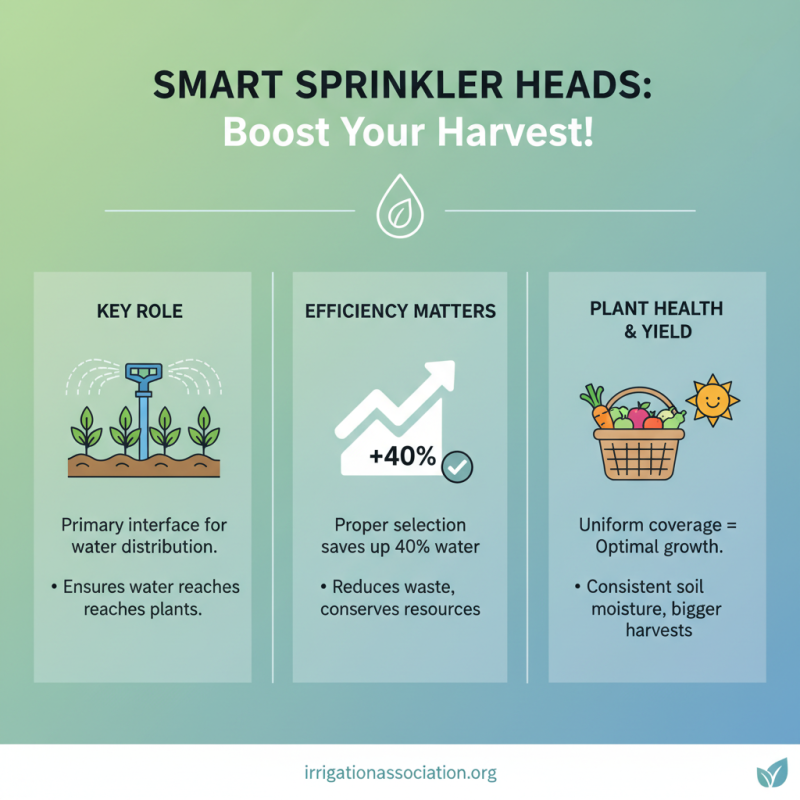
In the realm of gardening and agriculture, the efficiency of water distribution is critical for optimal crop yield and plant health. Sprinkler heads play a pivotal role in achieving this efficiency, acting as the primary interface between the water supply and the plants being irrigated. According to the Irrigation Association, proper sprinkler head selection can improve irrigation efficiency by as much as 40%, making it a crucial decision for both farmers and gardeners. The design and functionality of these heads affect how uniformly water is dispersed across the land, which directly impacts soil moisture levels and ultimately, plant growth.
Different types of sprinkler heads—such as stationary, rotating, and impact sprinklers—each have unique advantages suited for specific applications. Research indicates that rotating heads can cover larger areas with better uniformity compared to stationary heads, reducing water wastage. A study published in the Journal of Irrigation and Drainage Engineering highlighted that using rotating sprinkler heads can lead to a significant reduction in runoff and increased water conservation, with some systems achieving efficiency rates exceeding 90%. Ultimately, understanding the role of sprinkler heads in water distribution is essential, as it empowers gardeners and farmers to make informed decisions that enhance water conservation efforts while maximizing productivity.
Analyzing Pumping Systems: Key Factors for Effective Irrigation Pressure
Effective irrigation pressure is essential for maintaining a healthy garden or farm, and this begins with understanding the various pumping systems available. When selecting a pump, it’s crucial to consider factors such as flow rate, horsepower, and the type of irrigation system you’re using. A well-chosen pump not only ensures adequate water delivery but also minimizes energy consumption, making your irrigation system more cost-effective over time.
Tips: Regular maintenance of your pump is critical to its longevity and efficiency. Check for any leaks or blockages regularly, and clean filters to prevent debris build-up. Additionally, monitoring the performance of your pump can help you identify potential issues before they escalate into costly repairs.
Another important factor affecting irrigation pressure is the layout of your irrigation system. Ensure that the pipes are correctly sized and installed to minimize resistance and maximize flow. Consider the terrain and elevation changes on your property, as these can significantly affect pressure levels. For systems that experience pressure drops, adding pressure regulators or boosters may be beneficial to maintain optimal performance.
Tips: To test your irrigation pressure effectively, use a pressure gauge at various points in your system. This will help identify areas where pressure may be insufficient, allowing you to take corrective action before it impacts plant health.
Essential Sprinkler Irrigation Parts for Efficient Gardening and Farming
The Importance of Filters in Preventing Clogging and Ensuring Longevity
In the realm of sprinkler irrigation, one of the most critical components is the filter. These filters serve as the first line of defense against the various contaminants that can clog the system, such as sediment, algae, and organic matter. As water is pumped through the irrigation system, these impurities can accumulate and hinder performance, leading to uneven water distribution and reduced efficiency in gardening and farming operations. By incorporating high-quality filters into your setup, you can significantly decrease the likelihood of clogs, ensuring a smooth and consistent flow of water to your plants.
Moreover, filters play an essential role in extending the lifespan of your irrigation equipment. Regular maintenance and replacement of filters can prevent the wear and tear caused by debris accumulation. Over time, unchecked contaminants can cause pumps and emitters to malfunction, leading to costly repairs or replacements. By proactively managing filtration, gardeners and farmers can safeguard their investments while promoting a healthier growing environment. Thus, the importance of filters cannot be overstated; they are paramount in achieving efficient and sustainable irrigation practices.
Choosing the Right Pipes and Fittings for Sprinkler Irrigation Durability
Choosing the right pipes and fittings is crucial for ensuring the durability and efficiency of sprinkler irrigation systems. The materials used can significantly impact how well the system operates and the longevity of the installation. For instance, PVC pipes are commonly used due to their resistance to corrosion, lightweight nature, and ease of installation. However, in applications where higher temperatures or UV exposure are factors, materials like polyethylene may be preferred for their flexibility and strength.
When selecting fittings, it's essential to consider the compatibility with the chosen pipes, as well as the pressure requirements of the irrigation system. Standard fittings come in various shapes and sizes, allowing for easy connection, bending, and branching of the irrigation lines. Choosing high-quality fittings made from durable materials helps prevent leaks and ensures the system can withstand the rigors of outdoor conditions, reducing maintenance needs over time. By carefully selecting the right combination of pipes and fittings, gardeners and farmers can enhance the efficiency of their irrigation systems and achieve better results in their cultivation efforts.