Top 10 Tips for Choosing the Right Sprinkler Irrigation Valve for Your Garden
Choosing the right Sprinkler Irrigation Valve is crucial for maintaining a healthy and thriving garden. With a myriad of options available on the market, selecting the appropriate valve can significantly influence the efficiency of your irrigation system. An effective sprinkler irrigation valve ensures that water is delivered evenly and effectively, preventing overwatering or underwatering, which can lead to issues such as root rot or plant stress.
In this guide, we will explore the top 10 tips for selecting the ideal sprinkler irrigation valve tailored to your garden's unique needs. From understanding the different types of valves to considering the specific requirements of your plants, making an informed choice will not only enhance the performance of your irrigation system but also promote sustainable gardening practices. By investing time in understanding these essential factors, you'll prepare yourself to create a lush and vibrant garden that flourishes throughout the seasons.
Understanding Different Types of Sprinkler Irrigation Valves
When it comes to selecting the right sprinkler irrigation valve for your garden, understanding the different types available is crucial. There are primarily two categories of valves: manual and automatic. Manual valves require human intervention to operate, making them a cost-effective solution for smaller gardens. According to the Irrigation Association, about 60% of residential gardens utilize manual systems due to their simplicity and lower upfront costs. However, these systems may lead to uneven watering if not monitored properly.
On the other hand, automatic valves are gaining popularity, particularly for larger gardens or those with specific watering needs. These valves can be controlled by timers or smart irrigation systems, allowing for more efficient water usage. A study by the American Society of Civil Engineers revealed that automating irrigation systems can reduce water wastage by up to 30% when properly configured. Understanding these options and their implications on water efficiency can significantly enhance the sustainability of your garden, ensuring optimal growth while conserving resources.
Top 10 Tips for Choosing the Right Sprinkler Irrigation Valve for Your Garden
Assessing Your Garden Size and Watering Needs
When selecting a sprinkler irrigation valve for your garden, it's crucial to first assess the size of your garden and understand your watering needs. The dimensions of your garden will dictate the type and number of valves required for effective coverage. Larger gardens may necessitate multiple valves to ensure even distribution of water, while smaller areas might only require a single valve. Additionally, consider the layout of your plants and flower beds, as this will influence the placement and design of your irrigation system.
Next, evaluate your watering needs based on the types of plants you have and the climate in your region. Different plants have varying water requirements, and understanding these will help you choose a valve that can appropriately manage the flow and timing of water delivery. For example, drought-tolerant plants will need less frequent watering, while vegetables or flowering plants may require more consistent moisture. By taking these factors into account, you'll be better equipped to select a valve that not only suits the size of your garden but also aligns with its specific irrigation needs.
Evaluating Valve Material and Durability Options
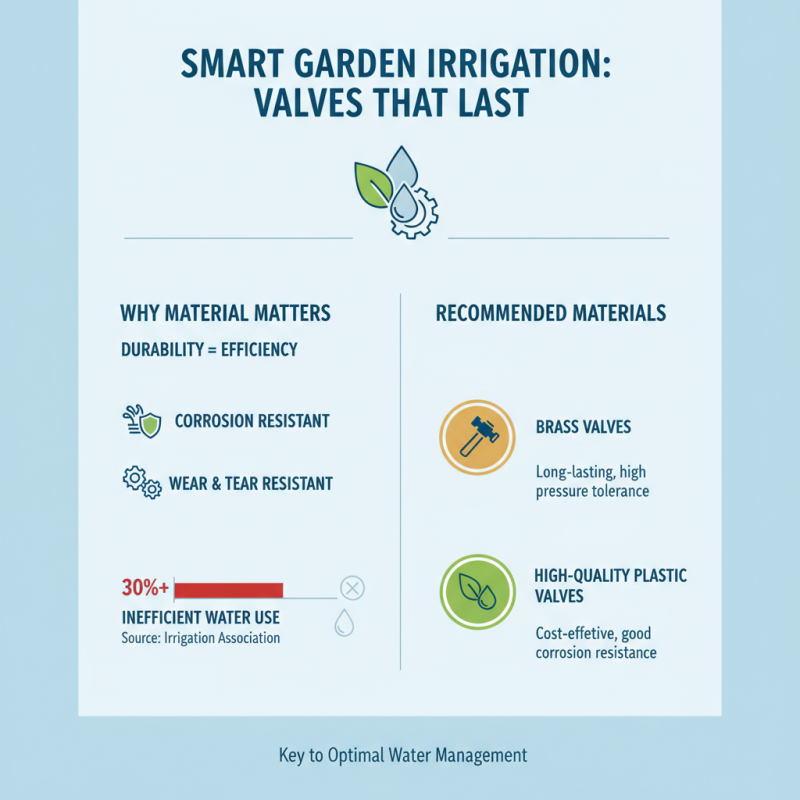
When selecting the right sprinkler irrigation valve for your garden, evaluating valve material and durability is crucial for ensuring efficient water management. According to a report from the Irrigation Association, over 30% of water usage in landscaping can be attributed to inefficient irrigation systems, highlighting the importance of durable components in maintaining optimal performance. Valves made from brass or high-quality plastic are often recommended due to their resistance to corrosion and wear, thus extending their operational lifespan.
Furthermore, understanding the varying environmental conditions in your region can aid in material selection. For example, studies have shown that PVC valves perform well in temperate climates, while stainless steel valves are favored in regions with harsher weather conditions due to their superior resistance to environmental stressors. It’s essential to choose a valve that not only suits your garden's specific needs but also stands the test of time to reduce the frequency of replacements and repairs, ultimately saving resources and costs in the long run.
Examining Pressure and Flow Rate Requirements
Understanding the pressure and flow rate requirements for your garden is crucial when selecting the right sprinkler irrigation valve. According to the Irrigation Association, ideal operating pressures for residential irrigation systems usually range from 30 to 50 psi (pounds per square inch). Choosing a valve that functions optimally within this range ensures efficient water distribution and minimizes the risk of over-pressurization that could lead to leaks and system failures.
Moreover, flow rate is another vital metric that should be taken into account. Flow rate is generally measured in gallons per minute (GPM), and a well-designed irrigation system should match the valve's flow capacity with the specific needs of the garden. Research from the American Society of Agricultural and Biological Engineers suggests that for efficient watering, each sprinkler head should be capable of delivering 1 to 4 GPM, depending on the type and size of the plants being irrigated. By evaluating these parameters, gardeners can ensure they select the right sprinkler irrigation valve that not only conserves water but also promotes healthy plant growth.
Considering Automation and Control Features for Irrigation Systems
As the irrigation industry evolves, automation and control features have become paramount in selecting the right sprinkler irrigation valve for your garden. The integration of automation technologies allows for more efficient water management, reducing waste and ensuring that plants receive the best possible care. When choosing a valve, consider options that support smart irrigation systems, which can be programmed to adjust water flow based on real-time data, such as soil moisture levels and weather conditions. This adaptability not only promotes healthier plants but also conserves precious water resources.
Incorporating IoT into irrigation systems further enhances these capabilities. With connected devices, gardeners can monitor and control their irrigation setup remotely, receiving insights and notifications via mobile applications. These advancements provide a level of precision and convenience that manual systems simply cannot match. As the demand for more efficient water usage grows, selecting valves with built-in connectivity and automation features will become increasingly important for both amateur and professional gardeners seeking to optimize their irrigation practices.