How to Choose the Right Sprinkler Irrigation Parts for Your Garden
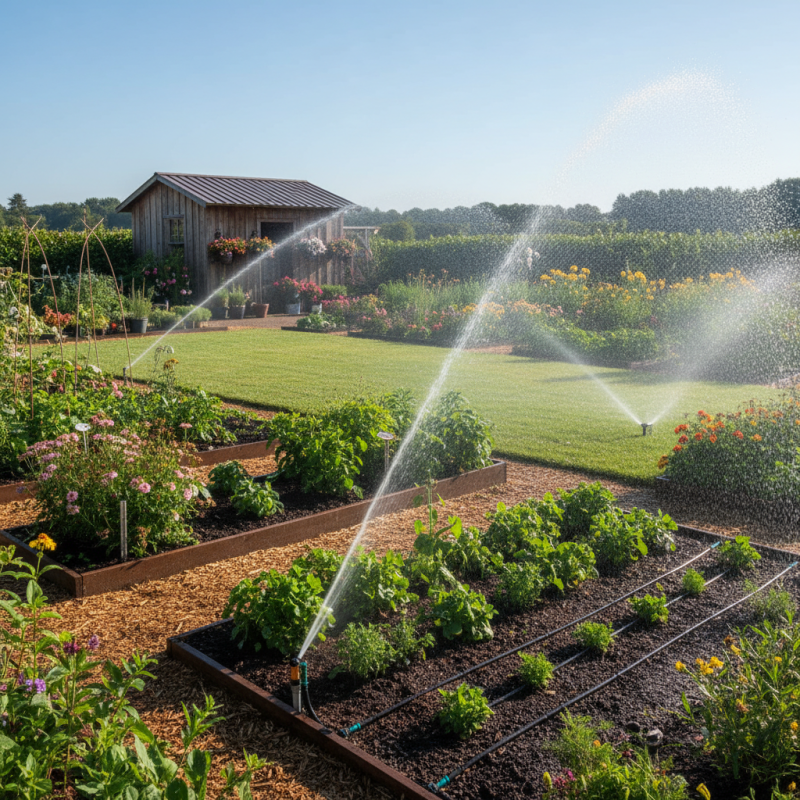
Choosing the right Sprinkler Irrigation Parts for your garden can feel overwhelming. With many options available, the task may seem daunting. Different plants have unique watering needs. It is crucial to find parts that match these requirements, or you risk overwatering or underwatering.
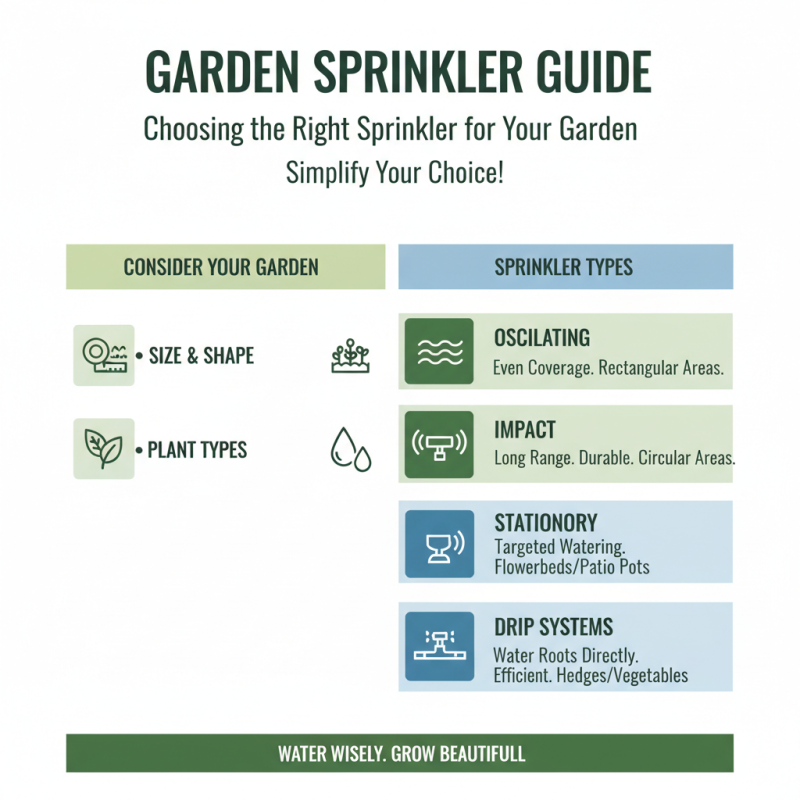
Consider the layout of your garden. The size and shape of your space dictate which parts will work best. For example, a rectangular garden may benefit from a different setup than a circular one. Pay attention to the water pressure in your area as well. Insufficient pressure can lead to ineffective watering.
In your search for Sprinkler Irrigation Parts, don’t hesitate to seek advice. Maybe a local gardening center can help. Additionally, part quality matters. Cheaper components may save money initially but can cause headaches later. Choose wisely. Remember, the goal is to create a thriving garden, not just to check off a task.
Understanding the Basics of Sprinkler Irrigation Systems
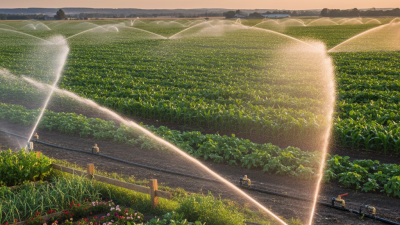
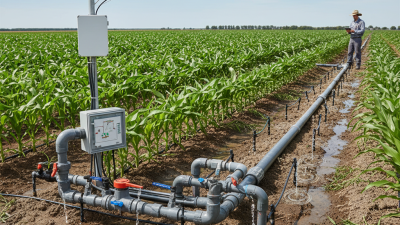
Sprinkler irrigation systems are essential for maintaining healthy gardens. Understanding their components is crucial. This system typically includes pipes, valves, pumps, and, of course, sprinkler heads. According to a report from the Irrigation Association, improper selection of these parts can reduce water efficiency by up to 30%. Choosing the wrong size of sprinkler heads or pipes may lead to uneven watering.
Water distribution is another aspect to consider. Many gardeners underestimate how the spacing of sprinkler heads affects performance. A study from the USDA shows that optimal spacing can enhance water coverage by
20%. Skipping this detail often leads to dry spots in the garden.
Installation is equally important. Mistakes in laying out the system can create inefficiencies. Research shows that
60% of DIY irrigation installations face issues within the first year. Understanding the layout, water pressure, and flow rate is vital. Not addressing these factors can result in wasted resources and frustrated gardeners. It’s a reminder that careful planning is
key for success.
Identifying the Key Components of Sprinkler Irrigation Parts
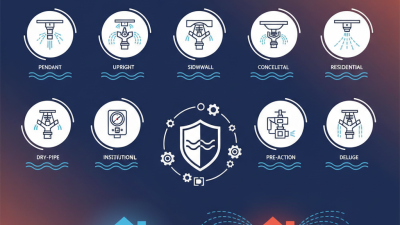
Choosing the right components for sprinkler irrigation can significantly affect your garden's health. Key elements include pipes, valves, sprinklers, and timers. Each part plays a vital role in delivering water efficiently. According to industry reports, improper selection of these components can reduce water efficiency by up to 30%. This inefficiency leads to water wastage and can stress plants.
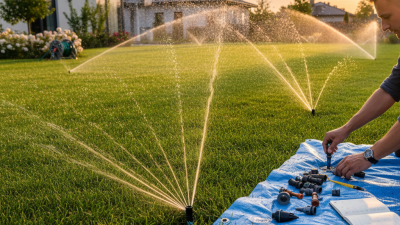
When selecting sprinkler heads, consider factors like flow rate and spray pattern. Different plants have unique water needs. Some plants thrive with a fine mist, while others prefer a heavier soak. Adjusting your system based on plant requirements makes a difference. A poorly configured system may result in overwatering or under-watering. Regularly assess the system’s performance. Sometimes, adjustments are necessary to optimize water delivery.
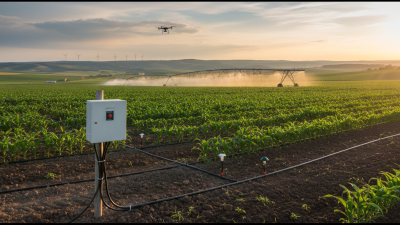
Valves and timers are critical for managing water distribution. Automated timers can help avoid manual errors. Yet, not all gardens require complex systems. A simple setup may suffice for smaller plots. Constantly evaluate how well your system functions. Reflect on ways to improve efficiency. This ongoing process can lead to better yields and healthier plants.
Assessing Water Pressure and Flow Rate for Optimal Performance
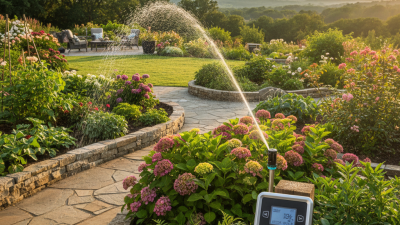
When setting up a sprinkler irrigation system, understanding water pressure and flow rate is crucial. These factors determine how efficiently your system will distribute water. Water pressure is the force that pushes water through pipes. If it’s too low, your plants won’t receive adequate hydration. If it’s too high, the risk of damage to your sprinkler components increases.
To assess water pressure, use a pressure gauge. You can attach it to your outdoor spigot. Ideal pressure usually ranges from 30 to 60 psi. Next, consider the flow rate. This is the volume of water delivered per minute. Measuring this might involve filling a container for a set period. It can be a revealing exercise. You may find discrepancies with what you expect versus the actual output.
These measurements ensure that you choose the right sprinkler heads and piping. Some designs work better under specific conditions. Knowledge of your water system helps make these choices. Realizing you have low flow might prompt you to rethink system layout. Taking time to adjust at this stage can lead to better gardening outcomes later. Make the effort — it’s worth it.
Water Pressure and Flow Rate Analysis for Sprinkler Systems
Maintaining and Upgrading Your Sprinkler Irrigation System Regularly
Maintaining your sprinkler irrigation system is crucial for a thriving garden. Regular checks help identify leaks or blockages. Inspect hoses and connectors for damage. A small crack can waste water and harm your plants. If you notice uneven watering, it might signal that a part needs replacement. Don’t ignore these signs; they can lead to bigger issues down the road.
Upgrading components is equally important. Newer parts can improve efficiency. Consider modern options that save water while providing adequate coverage. You might also experiment with the layout of your system. Sometimes, simply adjusting the position of sprinklers can enhance performance. Reflect on your garden’s needs. What worked last year may not suffice this year. Each garden is unique and requires tailored solutions.
How to Choose the Right Sprinkler Irrigation Parts for Your Garden
| Component |
Function |
Material |
Recommended Size |
Maintenance Tips |
| Sprinkler Head |
Distributes water over the garden |
Plastic or Metal |
3/4 inch |
Clean regularly to prevent clogs |
| Irrigation Pipe |
Conveys water from the source to the sprinklers |
PVC or Polyethylene |
1 inch |
Inspect for leaks and damage |
| Valve |
Controls water flow to the system |
Brass or Plastic |
3/4 inch |
Check operation regularly |
| Timer |
Automates watering schedule |
Plastic |
N/A |
Replace batteries and reset settings |
| Filter |
Removes debris from water |
Plastic or Stainless Steel |
N/A |
Clean or replace as needed |