2026 How to Choose the Right Irrigation System Valve for Your Garden?
Choosing the right Irrigation System Valve is crucial for garden health. An improperly chosen valve can lead to water wastage and inadequate irrigation. According to a report from the Irrigation Association, 30% of residential water usage comes from irrigation. This highlights the importance of efficiency in garden watering.
Expert John Mitchell, a renowned irrigation specialist, emphasizes, "Selecting the correct valve can make or break your irrigation system." He urges gardeners to consider the flow rates, pressure requirements, and compatibility with current systems before making a choice.
Research indicates that effective valve selection can improve water distribution by 20%. However, many gardeners overlook this aspect. A common mistake is choosing a valve based solely on price, ignoring long-term efficiency and reliability. Balancing cost with functionality is essential for a thriving garden. Understanding these factors can lead to informed decisions that benefit both plants and the environment.
Understanding Different Types of Irrigation System Valves
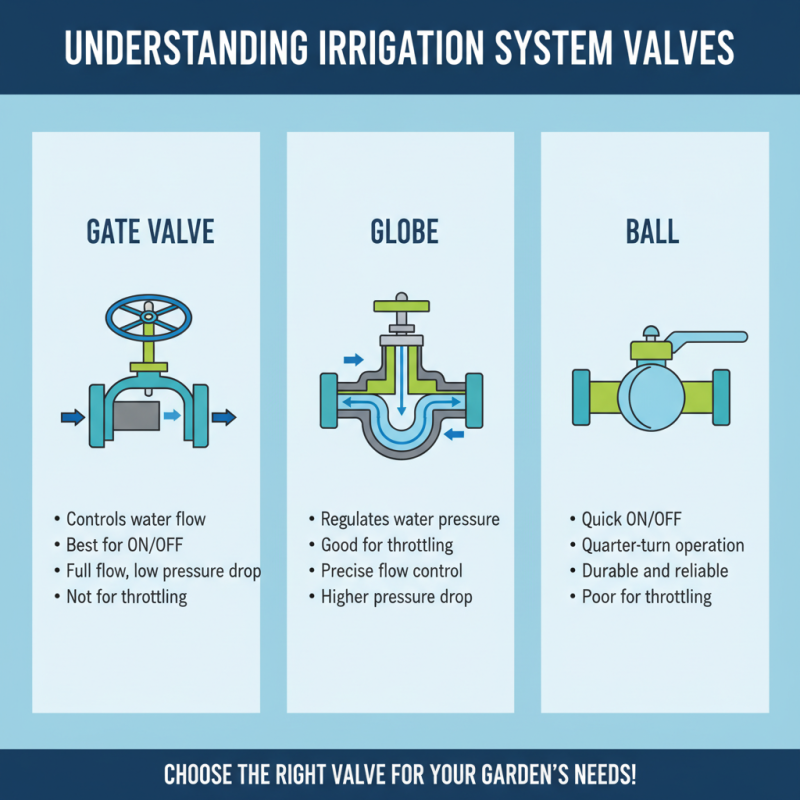
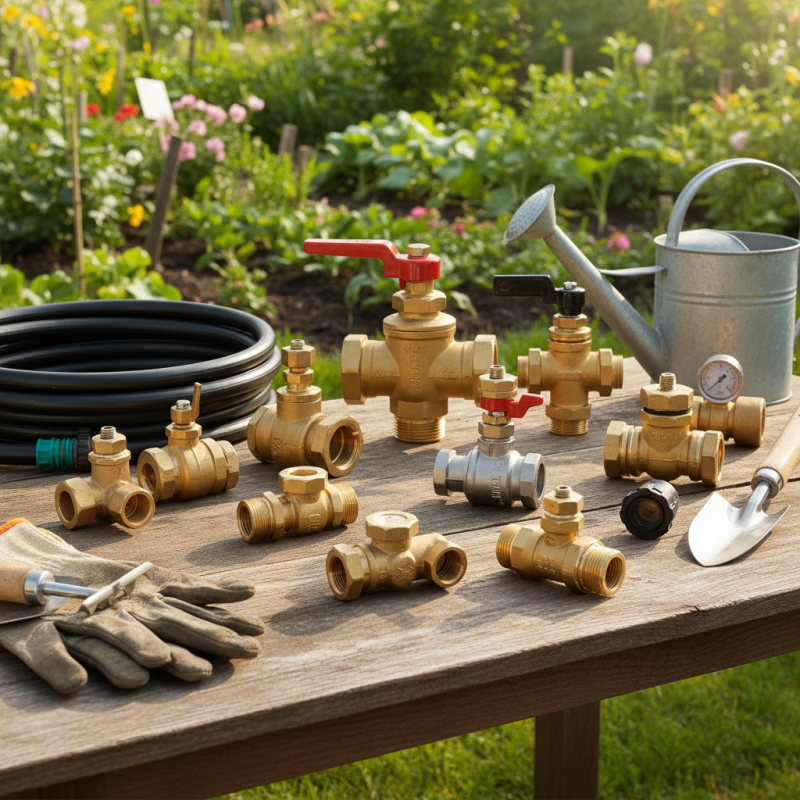
When selecting the right irrigation system valve for your garden, understanding the different types is crucial. Valves control water flow and pressure. There are primarily three types: gate valves, globe valves, and ball valves. Each type serves a specific purpose.
Gate valves work best for fully open or closed positions. They are not ideal for regulating flow. Globe valves, on the other hand, excel in flow control. They have a more complex design featuring a globe-shaped body. This design allows for better throttling. Ball valves are popular for their ease of use. They provide quick on/off functions with minimal resistance.
**Tip:** Consider your garden's layout and water needs before choosing a valve. If you have varied plant species, globe valves might suit you better.
Installation can be tricky. Improper installation leads to leaks or inefficient watering. Make sure to follow instructions carefully.
**Tip:** Regular maintenance is necessary. Inspect valves for wear and tear at least twice a year.
Finding the right valve also depends on pressure levels. High-pressure systems may require sturdy valves that can withstand the force. Adjustments might be needed for optimal performance, which can be challenging.
**Tip:** Keep a record of maintenance checks to anticipate when replacements might be needed.
Key Factors in Selecting Valves for Your Garden Irrigation Needs
Choosing the right irrigation system valve is crucial for your garden’s health. Various factors affect your selection process. One key factor is the water source. Knowing whether you are using city water or a well helps narrow your options. Both sources have different pressure levels that influence valve performance.
Another aspect to consider is the type of plants you have. Delicate flowers may need lower pressure valves. Meanwhile, large shrubs or vegetable gardens may require high-pressure options. Assessing your garden layout is also essential. Different zones in your garden might need unique valve setups.
**Tips:**
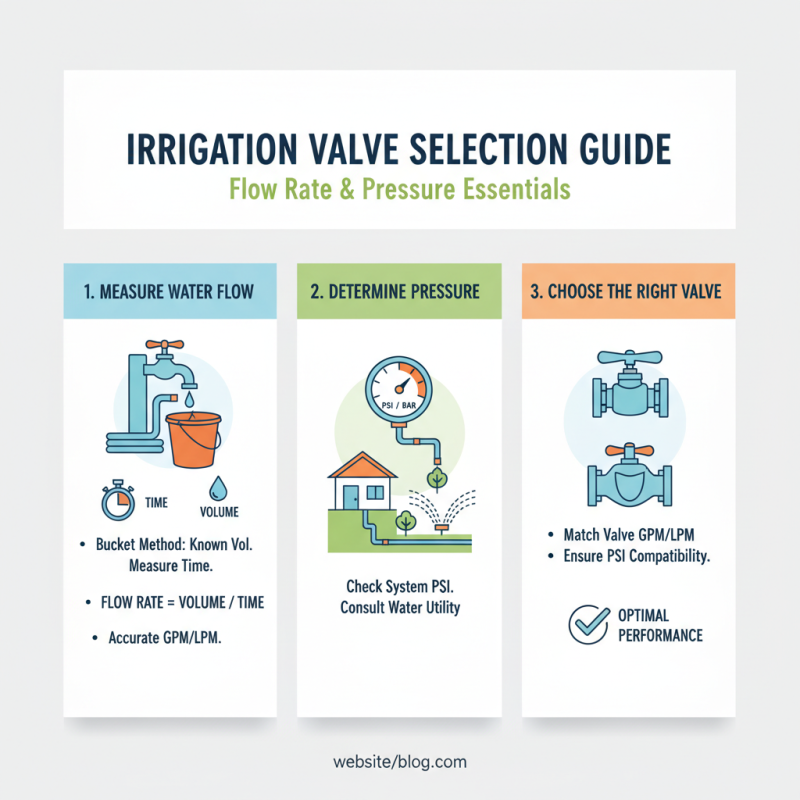
1. Measure your water pressure before choosing a valve. This can prevent issues later.
2. Consider the flow rate of the valve. It should match your garden’s needs.
3. Look for user reviews, not just specifications. Real-world experiences highlight potential issues.
Reflecting on your garden’s unique requirements can make choosing the right valve easier. Each garden is distinct, so what works for one may not work for another. Take your time to evaluate your options carefully.
2026 How to Choose the Right Irrigation System Valve for Your Garden? - Key Factors in Selecting Valves for Your Garden Irrigation Needs
| Valve Type |
Flow Rate (GPM) |
Pressure Rating (PSI) |
Material |
Cost ($) |
Ideal for |
| Automatic Valve |
5-15 |
20-100 |
Plastic |
25-50 |
Medium to Large Gardens |
| Manual Valve |
10-20 |
30-80 |
Brass |
15-35 |
Small Gardens |
| Zone Control Valve |
5-30 |
40-80 |
Plastic |
30-60 |
Large & Multi-Zone Gardens |
| Pressure Relief Valve |
N/A |
80-150 |
Brass/Plastic |
20-40 |
All Gardens |
| Ball Valve |
5-25 |
30-100 |
Stainless Steel |
18-50 |
Moderate Pressure Systems |
Assessing Durability and Material Choices for Irrigation Valves
When selecting an irrigation system valve, the durability and material choices are key factors. Many gardeners overlook these aspects. A valve made from sturdy materials can resist the elements. Options like PVC, brass, and stainless steel each have their pros and cons. PVC is lightweight and affordable but may not hold up as well in extreme temperatures. Brass valves are strong and longer-lasting but can be more expensive.
Water pressure and soil conditions can also affect valve performance. Understanding your garden's environment is crucial. For instance, if your soil is prone to erosion, a reinforced valve might be necessary. Regular maintenance is vital too. A small leak can turn into a big problem. Over time, even the best materials can show signs of wear. It's essential to check your system periodically for any signs of failure.
In conclusion, evaluating durability means considering both material quality and environmental factors. It's not just about the upfront cost. Investing in the right valve can save money in the long run, reducing repairs and replacements. Make informed choices, and your garden will thrive.
2026 How to Choose the Right Irrigation System Valve for Your Garden?
Installation Tips for Your Chosen Irrigation System Valve
When choosing the right irrigation system valve for your garden, consider installation carefully. A well-installed valve can save water and enhance plant health. According to industry reports, improper installation can lead to water waste, affecting around 30% of a garden's efficiency.
Tip: Always check local water regulations before installation. Some areas may have specific guidelines. Measure the water pressure in your garden. The ideal range is typically 30-50 PSI. This measurement ensures that your valve will function effectively without causing leaks.
Positioning the valve is equally crucial. Keep it easily accessible to allow for maintenance. Avoid areas with heavy foot traffic or potential damage. Make sure the valve is level; an uneven installation may cause malfunction. The soil type can affect the installation depth. Sandy soils require shallower placement, while clay soils may need deeper installation.
Tip: Test your system after installation. Check for leaks and ensure proper functioning. A small leak can waste gallons of water daily. Reflect on the installation process. It’s common to overlook small details, but aiming for precision helps long-term garden health.