Top 10 Tips for Choosing the Best Sprinkler Clock for Your Garden
When it comes to maintaining a lush and vibrant garden, effective watering is essential. The right sprinkler clock can significantly impact your garden’s health, ensuring that plants receive optimal moisture without wastage. According to industry research conducted by the Irrigation Association, homeowners can save up to 15% on their water bills by utilizing advanced irrigation technology, including smart sprinkler clocks. These devices not only simplify the task of watering but also enable more efficient water usage, which is increasingly crucial in our efforts to combat climate change and promote sustainability.
As gardening enthusiasts and homeowners seek to enhance their outdoor spaces, understanding the various features and functionalities of sprinkler clocks becomes vital. Recent studies indicate that 60% of garden health is directly influenced by proper irrigation practices. Selecting the best sprinkler clock involves considering factors such as programmable settings, weather sensors, and connectivity options. By investing in a quality sprinkler clock, gardeners can take a proactive approach to maintaining their green spaces while making informed decisions that benefit both their gardens and the environment.
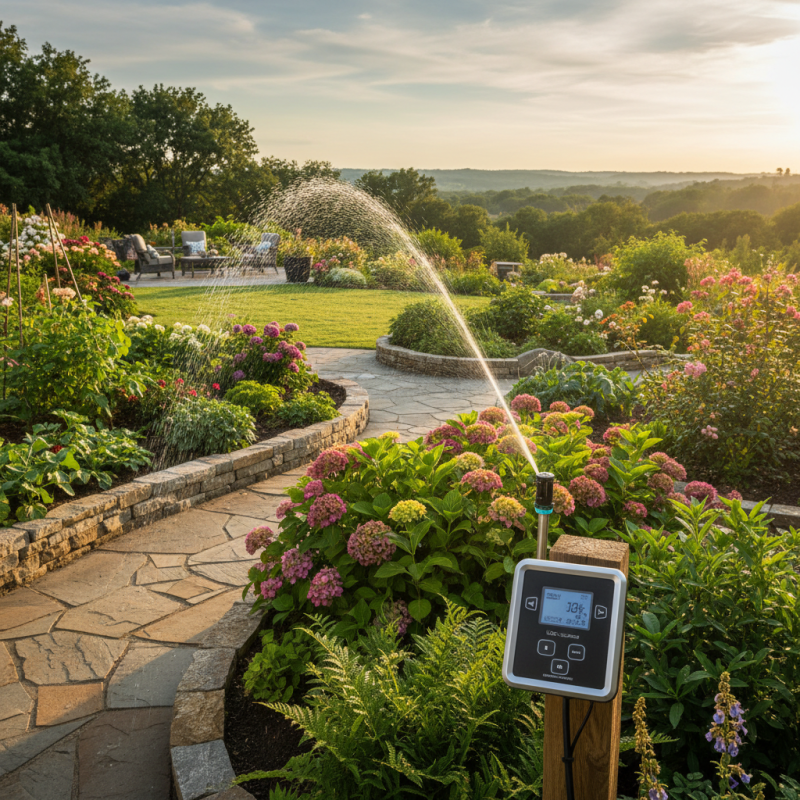
Understanding Your Garden's Watering Needs: Key Factors to Consider
When selecting the ideal sprinkler clock for your garden, the primary step is to understand your garden's unique watering needs. The soil type, plant variety, and climate conditions play significant roles in determining the frequency and duration of watering required. According to the Agricultural Water Management Journal, different soil types retained moisture at varying rates; for instance, sandy soils drain quickly and may necessitate more frequent watering, while clay soils retain moisture longer, reducing the need for additional irrigation.
In addition to soil composition, it's crucial to assess the specific plants you have in your garden. A survey by the American Society of Landscape Architects indicates that native plants typically require less water than non-native species, as they are adapted to local climate conditions. Furthermore, understanding climate patterns, such as rainfall and temperature fluctuations, can guide you in setting more efficient watering schedules. Using tools like rain gauges and soil moisture sensors can aid in assessing these factors more accurately, ultimately leading to better water conservation practices and healthier plants.
Watering Needs of Different Plant Types
Comparing Different Types of Sprinkler Clocks: Analog vs. Digital Options
When selecting a sprinkler clock for your garden, understanding the differences between analog and digital options is crucial.
Analog sprinkler clocks have been around for decades, offering simplicity and reliability. They typically feature mechanical timers that require manual adjustments for watering schedules. While they can effectively manage basic irrigation needs, their lack of advanced settings or flexibility can be a drawback. According to a recent industry report, approximately 60% of home gardeners still prefer analog systems for their straightforward operation and lower initial costs.
On the other hand, digital sprinkler clocks have gained significant popularity due to their sophisticated features and ease of use. These clocks allow for programmable watering schedules, multiple zone management, and even weather-based adjustments to optimize water usage. A study conducted by the Irrigation Association found that gardens using digital timers can save up to 30% more water compared to those relying on analog systems. Furthermore, many models now come equipped with smartphone connectivity, enabling remote adjustments and monitoring from anywhere. This adaptability and efficiency represent a shift towards more sustainable gardening practices as homeowners become increasingly aware of water conservation issues.
Evaluating Smart Technology Features for Modern Irrigation Management
When selecting a sprinkler clock for garden irrigation, modern technology features significantly enhance the efficiency and effectiveness of water management. Smart irrigation controllers leverage weather data and soil moisture levels to optimize watering schedules, eliminating unnecessary water use. According to the EPA, smart irrigation technologies can reduce water usage by up to 30%, which not only benefits the environment but also lowers water bills for consumers. Features such as remote access through mobile applications empower gardeners to adjust their systems from anywhere, making it easier to manage irrigation efficiently.
Another crucial aspect of smart sprinkler clocks is their ability to integrate with home automation systems. Many advanced models can work in collaboration with weather forecasts to adapt irrigation schedules dynamically, thus conserving water during rainy periods and ensuring plants receive the necessary hydration during dry spells. A report from the Irrigation Association highlights that utilizing such smart technology can improve overall landscape health and promote sustainable gardening practices. By focusing on these innovative features when choosing a sprinkler clock, gardeners can leverage cutting-edge solutions that contribute to both convenience and environmental stewardship.
Top 10 Tips for Choosing the Best Sprinkler Clock for Your Garden
| Feature |
Description |
Importance |
| Smart Scheduling |
Ability to adjust watering schedules based on weather conditions and soil moisture. |
High |
| Remote Access |
Control your irrigation system from anywhere using a smartphone app. |
High |
| Water Usage Monitoring |
Track how much water your system uses to optimize consumption. |
Medium |
| Zone Management |
Ability to program different watering schedules for different garden zones. |
High |
| Integration with Weather Services |
Automatically adjust schedules based on local weather forecasts. |
High |
| User-Friendly Interface |
Simple navigation and setup process for easy management. |
Medium |
| Battery Backup |
Ensures operation continues during power outages. |
Medium |
| Custom Alerts |
Receive notifications for system updates or maintenance needs. |
Medium |
| Compatibility with Smart Home Devices |
Ability to integrate with home automation systems. |
Medium |
| Drought-Tolerant Scheduling |
Adjust schedules to comply with local water conservation regulations. |
High |
Assessing User Friendliness: Ease of Programming and Maintenance Needs
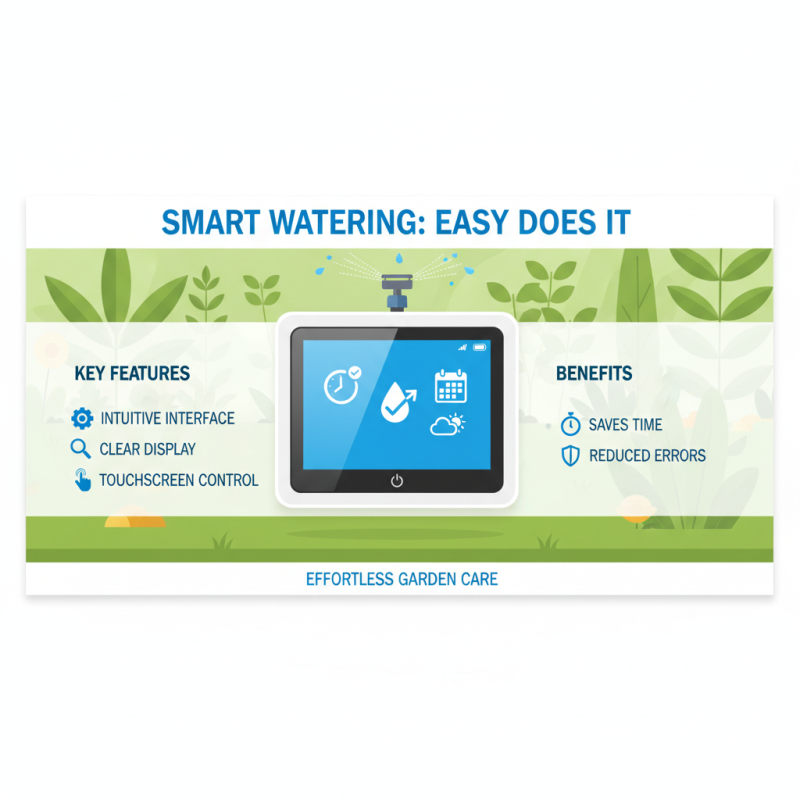
When choosing the best sprinkler clock for your garden, user-friendliness should be a top priority. A system that is easy to program saves you time and reduces the potential for mistakes. Look for models that feature intuitive interfaces, with clear displays and simplified programming steps. Touchscreen options can enhance this experience, making it straightforward to set schedules and adjust timers, even for those who may not be tech-savvy.
Maintenance needs also play a crucial role in your decision. Opt for sprinkler clocks that offer straightforward maintenance procedures. Models with easy-to-access battery compartments and removable parts will make your life easier when it comes time for battery replacements and cleaning. Additionally, some systems provide alerts or reminders for maintenance tasks, ensuring that your sprinkler clock remains in optimal working condition throughout the growing season.
Incorporating a few handy tips can further enhance your experience. First, read user reviews to find insights on how easily other gardeners have navigated programming and maintenance. Secondly, consider user manuals and instructional videos; visual guides can significantly simplify the learning curve. Finally, assess how well the timer integrates with existing systems, such as rain sensors or smart home devices, to maximize convenience and efficiency.
Analyzing Cost Efficiency: Long-term Savings with Energy-Efficient Models
When it comes to maintaining a vibrant garden, an efficient sprinkler clock can make a significant difference in both convenience and cost. Focusing on energy-efficient models not only benefits your plants but can lead to substantial savings on your utility bills over time. Opting for models equipped with moisture sensors and smart technology ensures that water is used only when necessary, preventing waste while maintaining the health of your garden.
When choosing the best sprinkler clock for your needs, consider the long-term financial impact. Energy-efficient models may have a higher upfront cost, but they often save money in the long run through reduced water usage. Look for clocks that offer programmable settings, allowing you to set watering schedules tailored to your garden's requirements. This not only conserves water but enhances the sustainability of your gardening practices.
Additionally, explore features such as rain delay functions and seasonal adjustments. These options help optimize water usage further and maximize the potential savings. With the right sprinkler clock, you can cultivate your plants effectively while reducing your carbon footprint and lowering costs, making it a wise investment for any garden enthusiast.