2026 How to Choose the Best Grass Sprinkler for Your Lawn Care Needs?
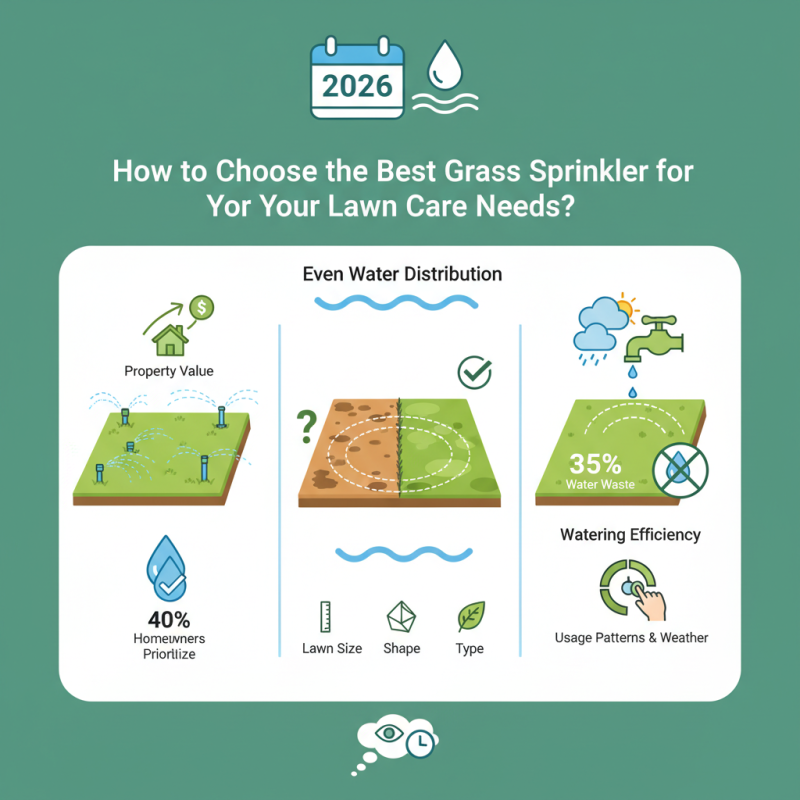
Choosing the right grass sprinkler is crucial for maintaining a healthy lawn. A well-watered lawn enhances curb appeal and increases property value. According to a 2022 report by the Irrigation Association, over 40% of homeowners prioritize efficient lawn care. This means selecting the best grass sprinkler can make a significant difference.
A good grass sprinkler ensures even water distribution. Uneven coverage can lead to dry spots and over-saturated areas. The right choice should match your lawn size, shape, and type. Many homeowners struggle with this aspect. They often buy without fully understanding their lawn's needs.
Watering efficiency is another key factor. The U.S. Environmental Protection Agency states that over-watering can waste up to 35% of water. Picking a grass sprinkler with adjustable settings can help conserve water. However, it’s essential to evaluate your usage patterns critically. Are you often caught off-guard by the weather? Reflecting on these choices will lead to a better watering strategy.
Understanding Different Types of Grass Sprinklers for Lawns
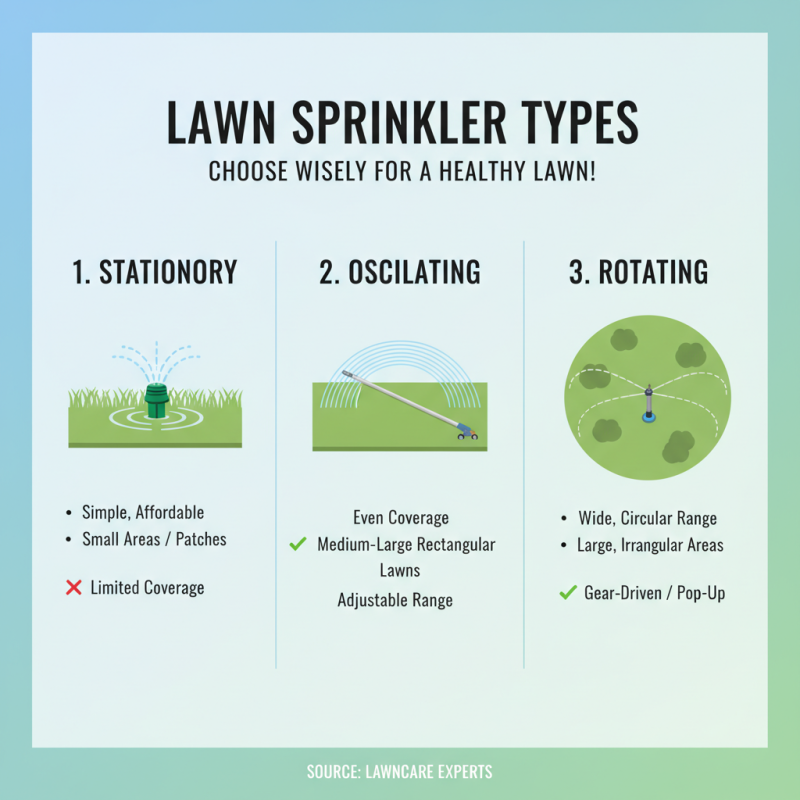
When it comes to lawn care, choosing the right grass sprinkler is crucial. There are several types available, each with unique features. Understanding them can help you make an informed choice. Sprinklers can be grouped into stationary, oscillating, and rotating types. Stationary sprinklers are simple and affordable. They water small patches well. However, they lack coverage for larger areas.
Oscillating sprinklers provide broader coverage. They have a multi-directional spray pattern. This flexibility can be helpful for irregularly shaped lawns. Yet, sometimes the spray can be uneven, leaving dry spots. Rotating sprinklers are more efficient for larger lawns. They cover extensive areas with less water waste. But they can be pricier and may require more maintenance.
You should also consider your lawn's specifics. Factors like soil type, grass variety, and climate play a role. For example, sandy soils drain quickly. You might need a more frequent watering schedule. If you have clay soil, the lawn might stay wetter longer. These considerations can affect which sprinkler suits you best. Reflections on these details will lead to a better choice.
Factors to Consider When Choosing a Grass Sprinkler
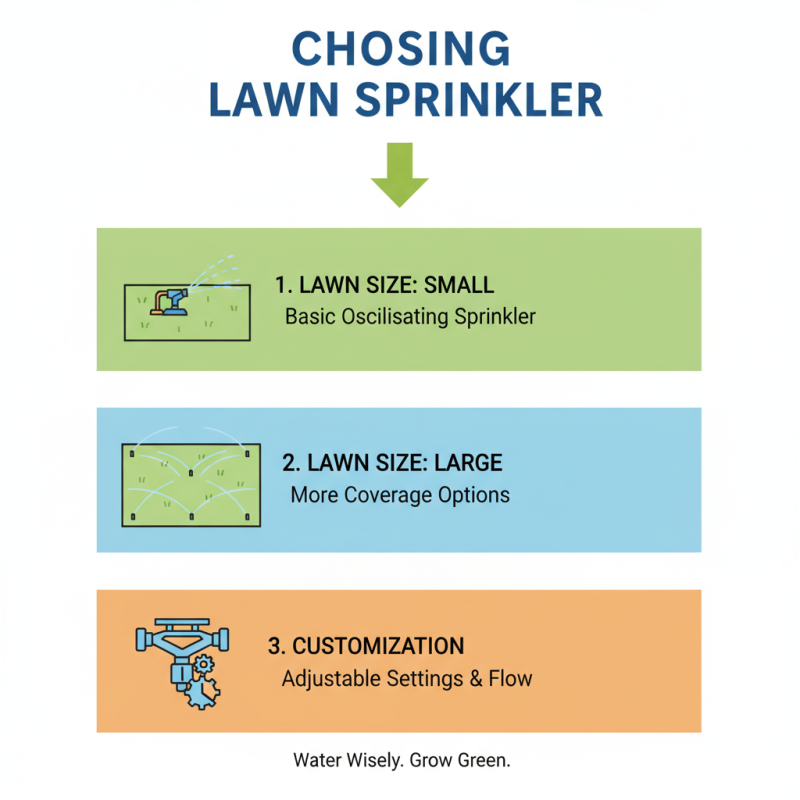
When selecting a grass sprinkler, several factors come into play. The size of your lawn is crucial. A small yard may only need a basic, lightweight sprinkler. Larger areas might require more sophisticated systems to cover every inch. Consider the layout of your lawn as well. Irregular shapes could necessitate a more flexible sprinkler design.
Water pressure is another key point. Some sprinklers require higher pressure to function properly. If your water pressure is low, you might not get the best performance. It could lead to uneven watering, which is a common issue many homeowners face. Investigating your water source and pressure before purchasing can save you potential headaches later.
Additionally, the type of grass you have affects your choice. Certain grasses need more water than others. Be mindful of your regional climate too. In dry areas, a more efficient, targeted sprinkler will save water and keep your lawn healthy. Don't rush the decision. Take time to research and observe your garden's needs. Doing so can lead to better outcomes.
2026 How to Choose the Best Grass Sprinkler for Your Lawn Care Needs?
| Feature |
Description |
Considerations |
| Coverage Area |
Size of the lawn you need to cover. |
Choose a sprinkler that matches the dimensions of your lawn. |
| Water Pressure |
The pressure at which water is supplied. |
Check if the sprinkler operates efficiently at your water pressure. |
| Type of Sprinkler |
Different types include oscillating, stationary, and rotating. |
Select based on the shape and type of your lawn. |
| Adjustability |
Ability to adjust the spray distance and angle. |
Look for features that allow you to customize watering. |
| Durability |
Material quality and resistance to weather elements. |
Invest in quality materials for longer lifespan. |
| Ease of Setup |
How simple it is to install and operate the sprinkler. |
Choose models that are user-friendly. |
| Price |
Cost of the sprinkler unit. |
Compare prices and features to find the best value. |
Assessing Water Pressure and Flow Rate Requirements
When choosing a grass sprinkler, understanding your water pressure and flow rate is crucial. Water pressure affects how far the sprinkler can spray. If your home has low water pressure, you may notice that sprinklers do not reach all areas of your lawn. In contrast, high pressure can lead to uneven watering and potential lawn damage. Learning how to measure your water pressure can help you choose the right sprinkler.
Additionally, consider your flow rate. This is the amount of water your system delivers over a certain period. A high flow rate might mean a larger sprinkler head, but it could also mean wasting water. It's essential to match your sprinkler’s flow rate with your lawn's irrigation needs. Assessing these factors can take some trial and error. You might find that installing a pressure regulator improves water distribution.
It's easy to overlook these details when purchasing a sprinkler. However, if your lawn looks patchy or dry, reevaluating your system could be the key. Think about how much pressure and flow your hose can handle. The right balance can ultimately save you time, money, and water in the long run. If adjustments are needed, don't hesitate to experiment for the best outcome.
Water Pressure and Flow Rate Requirements for Grass Sprinklers
Tips for Maintaining Your Grass Sprinkler System
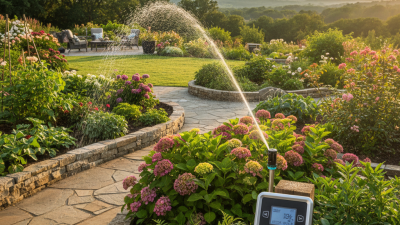
Maintaining your grass sprinkler system is vital for a healthy lawn. Regular checks are necessary to ensure everything is functioning correctly. Look for leaks or broken sprinkler heads. A small drip can waste a lot of water over time. Be attentive during regular watering sessions. If some areas receive less water, it may result in dry patches.
Adjusting your sprinkler's settings can improve efficiency. Clear any debris from the sprinkler heads to allow proper coverage. Over time, dirt and grass can accumulate, causing blockages. Don't forget to test the system seasonally. An inspection in early spring and fall can help identify issues early on.
Sometimes, you might forget to adjust for changing weather. Relying on a timer helps, but constant monitoring is better. Each yard is unique. What works for one may not work for another. Always be ready to adapt. Notice how your grass responds and tweak the system accordingly. Effective maintenance requires patience and attention to detail.