How to Choose the Right Spray Sprinkler for Your Garden?
Choosing the right spray sprinkler for your garden is crucial. Studies show that over 70% of gardeners face challenges in watering their plants efficiently. An appropriate spray sprinkler can minimize water waste and ensure healthy growth.
Many homeowners underestimate the impact of a well-chosen sprinkler. According to industry reports, the efficient use of water can save up to 30% of monthly bills. An optimal spray sprinkler matches the garden’s size and the types of plants you grow. Some gardeners may find it confusing to navigate the range of options available.
Not all spray sprinklers perform equally under different conditions. Factors like wind, sun exposure, and soil type significantly influence their effectiveness. Reflecting on your garden’s needs can lead to better choices. Selecting a spray sprinkler is not just a routine task; it's about creating a sustainable environment for your plants.
Factors to Consider When Selecting a Spray Sprinkler Type
When selecting a spray sprinkler for your garden, consider the water pressure in your area. Industry data suggests that optimal pressure ranges between 30 and 50 psi. Under these conditions, most spray sprinklers operate efficiently. Low pressure may result in uneven coverage, leading to dry patches in your garden. Test your water pressure for the best results.
Another critical factor is the size of your garden. A report by the Irrigation Association indicates that the spray radius typically varies from 10 to 15 feet. Choose a sprinkler with a radius that matches your garden layout. For larger areas, you may need multiple units. Be mindful that using too many can lead to wasted water and inefficient coverage.
Finally, consider the types of plants you are watering. Delicate flowers may require gentle, mist-like sprays. In contrast, more robust plants can handle stronger jets. Evaluate your options based on the needs of your garden. Remember, the choice of a sprinkler can either enhance or hinder your gardening efforts. The right fit will depend on your specific conditions, which can often be tricky to determine.
The Importance of Coverage Area in Sprinkler Selection
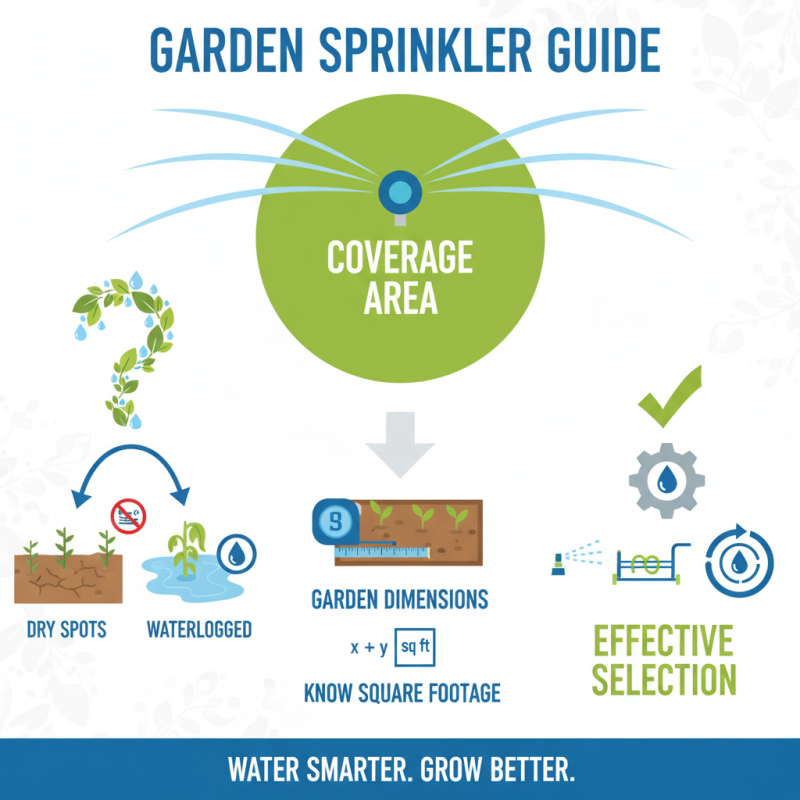
When selecting a spray sprinkler for your garden, one of the most crucial factors to consider is the coverage area. This aspect directly influences how well your garden receives water. A poorly chosen sprinkler might leave sections of your garden dry and others waterlogged. Understand the dimensions of your space before making a decision. Knowing the square footage allows for a more effective selection process.
Consider the shape of your garden too. For rectangular spaces, long spray patterns work well. However, for circular or irregularly shaped areas, adjustable models may be necessary. It’s essential to visualize the reach of different sprayers. Some designs may not disperse water evenly. This can lead to unnecessary wastage or dry patches. Test your chosen model in various spots. Measure the distance and ensure all plants receive sufficient moisture.
Remember, not all sprays are created equal. Some may look efficient but can fall short in actual performance. When in doubt, it's okay to seek advice. Your garden deserves the right kind of attention. Take your time to reflect on coverage needs. It’s better to evaluate thoroughly than to rush into a decision.
Evaluating Water Pressure and Flow Rate for Efficient Sprinkling
When choosing a spray sprinkler, understanding water pressure and flow rate is crucial. A efficient sprinkler needs to match your garden's specific needs. Water pressure is measured in PSI (pounds per square inch). Common residential water pressure ranges from 40 to 60 PSI. If it falls below 30 PSI, you may face watering challenges.
Flow rate, measured in gallons per minute (GPM), also heavily influences your choice. A typical flow rate ranges from 1 to 20 GPM depending on the size of your garden and sprinkler type. A poorly matched system can lead to uneven watering. For instance, if your sprinkler requires 5 GPM and your system only delivers 3 GPM, plant stress may occur.
Test your water pressure regularly. The American Water Works Association advises testing at peak usage times. This will help you assess if you have enough pressure for optimal functioning. Remember, a sprinkler with high flow but low pressure may not distribute water evenly. Every garden is unique; take time to analyze and adjust. It’s a trial-and-error process. Each garden has distinct requirements, and meeting them may require adjustments and experimentation.
How to Choose the Right Spray Sprinkler for Your Garden?
| Sprinkler Type |
Water Pressure (PSI) |
Flow Rate (GPM) |
Coverage Area (sq ft) |
Best Use |
| Fixed Spray Sprinkler |
30-50 |
1.5-3.0 |
100-300 |
Small to medium flower beds |
| Oscillating Sprinkler |
20-40 |
1.5-2.5 |
300-3,600 |
Large lawns and gardens |
| Rotary Sprinkler |
25-55 |
1.0-1.5 |
3,000-5,000 |
Large areas with varying topography |
| Drip Irrigation |
10-30 |
0.5-1.0 |
N/A |
Vegetable gardens and shrubs |
| Soaker Hose |
10-25 |
0.25-0.5 |
N/A |
Row crops and perennials |
Comparing Fixed, Oscillating, and Rotating Sprinkler Options
Choosing the right spray sprinkler for your garden can be a tough decision. There are three main types: fixed, oscillating, and rotating. Each type has its own advantages and considerations.
Fixed sprinklers provide a steady stream of water. They are great for small, consistent areas. However, they might leave some spots dry if your garden has an uneven shape. You’ll need to adjust their positioning often, which can be a hassle.
Oscillating sprinklers move back and forth. They cover a larger area while distributing water evenly. Yet, they can be less effective in windy conditions. The spray pattern might not reach every corner, leading to overwatered sections and dry patches.
Rotating sprinklers deliver water in a 360-degree pattern. They are efficient for larger gardens, reaching far distances. Unfortunately, they may take a longer time to fully cover an area. If watering is not timed well, some plants might suffer. Each type offers unique benefits, but the choice should reflect your specific garden needs.
Understanding Soil Types and Plant Needs for Sprinkler Suitability
When choosing a spray sprinkler, understanding your soil type and plant needs is crucial. Different soils absorb water differently. Sandy soils drain quickly but may not retain moisture. Clay soils, on the other hand, hold water but can become compacted. Knowing this helps you pick the right sprinkler that delivers the right amount of water.
Plants also have unique needs. Some prefer moist soil, while others thrive in drier conditions. Pay attention to your garden's layout. Group plants with similar water requirements together. This can reduce water waste and improve plant health. A sensor-based sprinkler may not suit all types of soil or plant expectations. Fitting a generic sprinkler system might lead to overwatering or underwatering specific areas.
Consider your garden's microclimates too. Shaded areas may require less water than sunny spots. Too much water can lead to root rot. A poorly placed sprinkler harms your plants. Reflect on your choices before installation. Make adjustments as needed to ensure your sprinkler system works effectively for your garden's unique environment.
Choosing the Right Spray Sprinkler for Your Garden