How to Choose the Best Single Station Irrigation Controller?
When selecting a "Single-Station Irrigation Controller," many factors come into play. Understanding these elements can greatly enhance your irrigation efficiency. As Robert Green, a leading irrigation expert, once stated, “The right controller can make a world of difference in water management.” His insight highlights the crucial role these controllers play in effective irrigation systems.
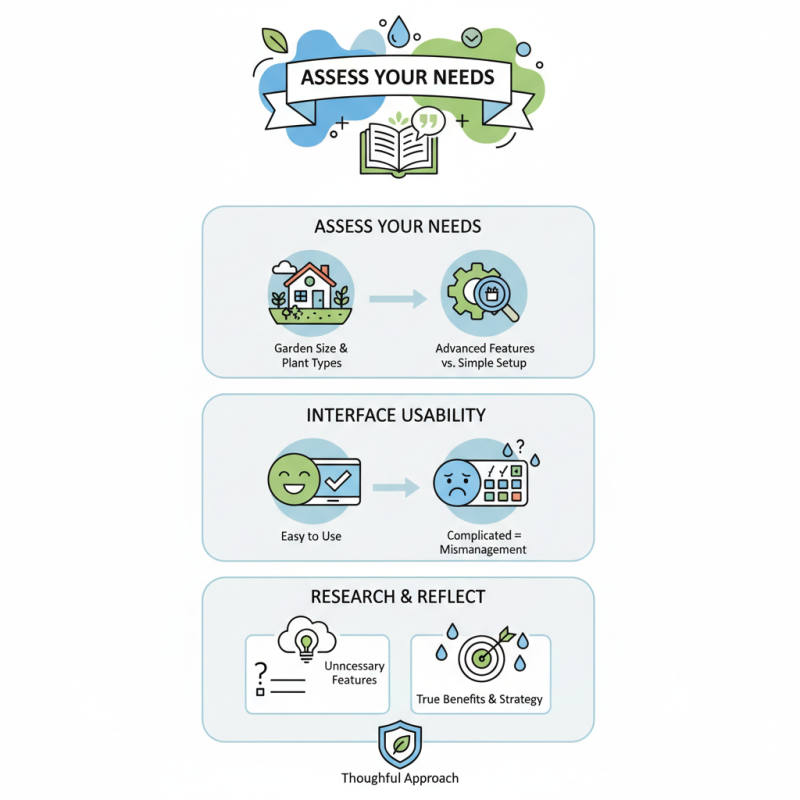
Choosing the best controller involves assessing your specific needs. Consider the size of your garden and the types of plants you have. A simple setup might suffice, while larger gardens may require more advanced features. This balance is key. Additionally, interface usability is important. A complicated controller can lead to mismanagement of water resources, which can be frustrating.
While there are many options available, it's essential to remember that not all controllers are created equal. You may find some features unnecessary for your situation. Take the time to research and reflect on what will truly benefit your irrigation strategy. It is easy to get overwhelmed by choices, but a thoughtful approach will yield the best results in your watering efforts.
Understanding Single Station Irrigation Controllers and Their Benefits
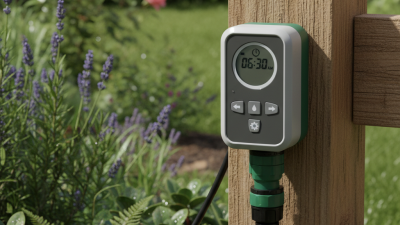
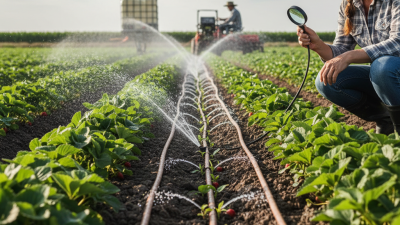
Single station irrigation controllers are essential tools for efficient watering. They focus on one zone, making them suitable for smaller gardens or specific landscape areas. These controllers optimize water usage and reduce waste. By adjusting watering schedules based on local weather, they can save water and ensure plants thrive.
Understanding their benefits is key. For instance, these controllers provide flexibility in setting up watering cycles. Users can customize the timing and frequency, adapting to seasonal changes. This personalization can enhance plant health by ensuring they receive the right amount of water. However, some users may find the programming process complex at first, highlighting the need for clearer guides.
Another important aspect is their conservation potential. Single station controllers help prevent overwatering, which is vital in drought-prone areas. Yet, reliance solely on technology can lead to missed opportunities for manual adjustments. Users should regularly check soil conditions and plant needs. Balancing automated settings with personal observation can lead to optimal growth.
Single Station Irrigation Controller Benefits
Key Features to Look for in a Single Station Irrigation Controller
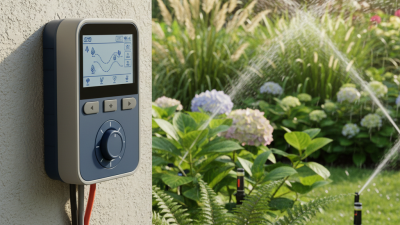
When choosing a single station irrigation controller, it's essential to understand key features that can enhance your watering strategy. First, look for a user-friendly interface. Simplicity matters. If it's too complicated, you may struggle with adjustments. A clear display can help you monitor settings easily.
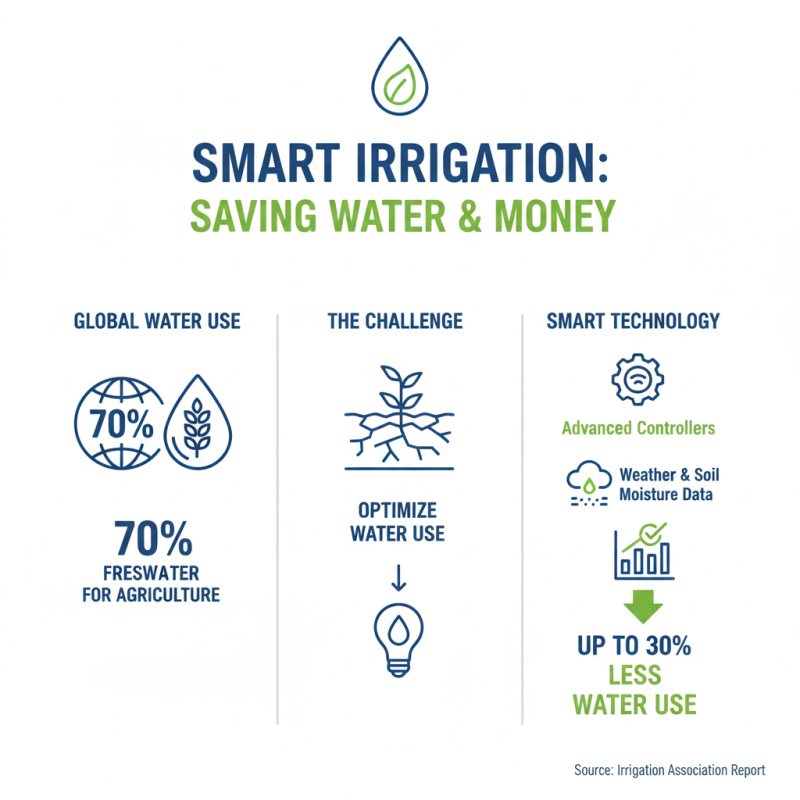
Next, consider compatibility with your existing irrigation system. Ensure the controller can work with various sensor types. This flexibility allows you to upgrade or customize your system later. Additionally, real-time weather adjustments can be valuable. Controllers that integrate weather data can optimize watering schedules, conserving water and saving money.
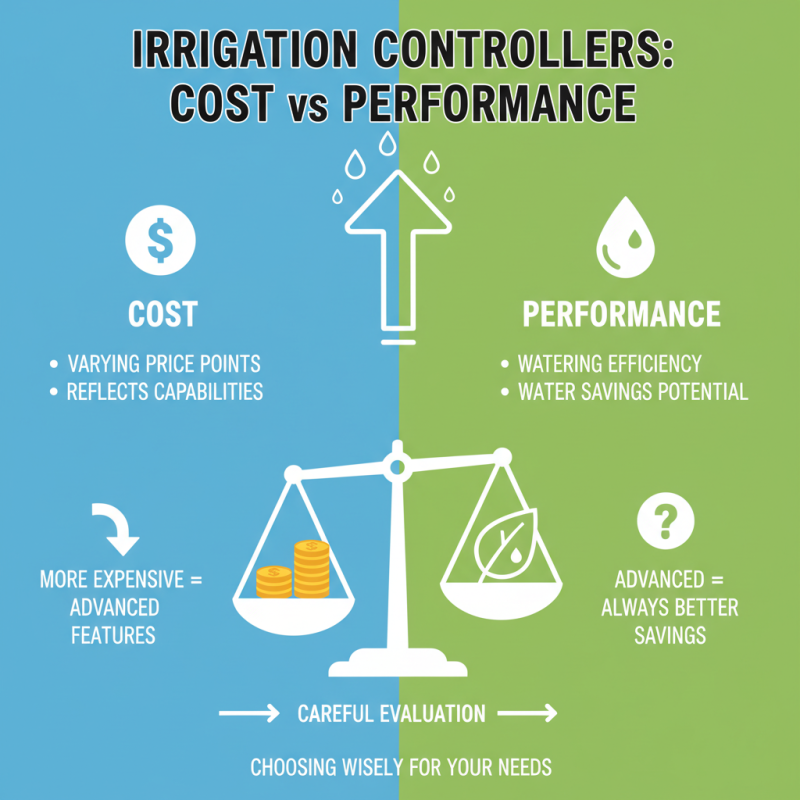
Think about energy efficiency as well. A controller that uses less power cuts costs and is better for the environment. While many features are available, remember not to get overwhelmed. Assess your specific needs and how each feature aligns with them. Not every advanced feature is necessary for every user. Take time to reflect on what genuinely benefits your garden.
How to Choose the Best Single Station Irrigation Controller? - Key Features to Look for in a Single Station Irrigation Controller
| Feature |
Description |
Importance |
Examples |
| Watering Schedule |
Ability to set specific watering times and durations. |
High |
Daily, Weekly, Interval options |
| User Interface |
Ease of use through buttons and display. |
Medium |
Digital displays, Mobile app compatibility |
| Sensor Compatibility |
Integration with rain or soil moisture sensors. |
High |
Soil moisture sensor, Rain sensor |
| Water Conservation Features |
Settings that promote efficient water usage. |
High |
Adjustable watering run times, Cycle and soak |
| Durability |
Build quality suitable for outdoor use. |
Medium |
Weather-resistant materials |
Comparative Analysis of Popular Irrigation Controller Brands
When choosing the best single station irrigation controller, understanding popular brands is key. Market research indicates that nearly 45% of homeowners opt for smart irrigation systems. Many controllers integrate weather data to optimize water usage, reducing consumption by up to 30%. This is significant given that the average household uses nearly 40% of its water outdoors.
Brand A often leads in user ratings. Users appreciate its ease of use and intuitive interface. However, a thorough product review suggests that, while effective, its connectivity can be inconsistent, especially in rural areas. On the other hand, Brand B shines in affordability and basic functionality. Yet, it may lack advanced features that higher-end models offer.
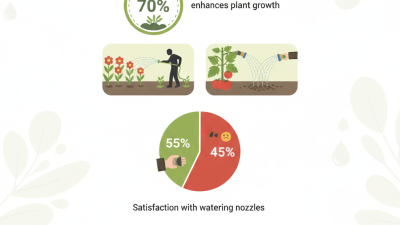
Professionals note that consumer preferences can shift over time. A recent survey revealed that 60% of gardeners prioritize efficiency, but many are still unaware of available smart solutions. This gap highlights a need for better education about sustainable practices. Balancing cost with environmental impact can be challenging. Each option has its pros and cons, prompting users to critically evaluate their needs and the unique circumstances of their gardens.