How to Choose the Best Irrigation System Sprinklers?
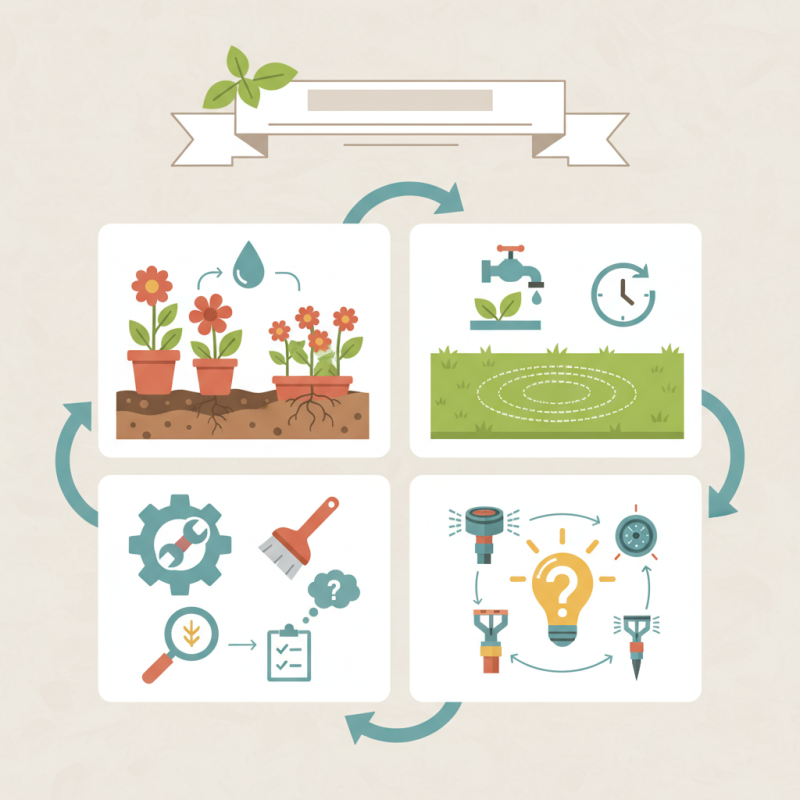
Choosing the right irrigation system sprinklers is crucial for effective gardening. Many homeowners struggle with this decision. With various types available, it can feel overwhelming. Understanding your garden's needs is essential.
Consider your plant types and soil conditions. Different plants require different watering methods. An efficient irrigation system should save water and time. Look for sprinklers that cover your entire garden evenly.
Many people overlook maintenance when selecting sprinklers. Some systems may require regular cleaning or adjustments. It's important to think about this upfront. A little research may save you frustration later. Selecting the best irrigation system sprinklers involves careful consideration. It's about finding what truly works for your space.
Understanding Different Types of Irrigation System Sprinklers Available
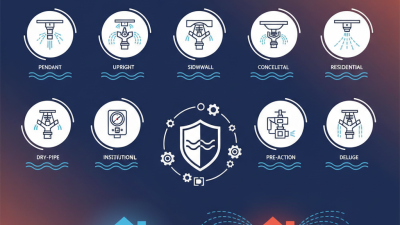
Choosing the right irrigation system can be complicated. Various sprinkler types are available, each with its benefits and drawbacks. Understanding these options is vital for every gardener or landscaper.
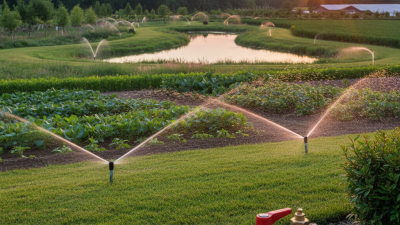
Fixed spray sprinklers are popular for small areas. They deliver water in a specific pattern, working well for flower beds or small lawns. However, they can waste water if not adjusted properly. Misaligned heads lead to dry patches or overwatering. According to a study by the Irrigation Association, about 30% of residential water usage comes from inefficient sprinkler systems.
Rotary sprinklers cover larger areas. They distribute water in a circular motion, making them suitable for bigger lawns. However, their slower application rates can lead to runoff if not timed right. The same study reveals that proper scheduling can save up to 50% of water usage in some cases. This reveals a stark reminder that efficiency goes beyond just choosing the right type; it's essential to monitor and adjust accordingly.
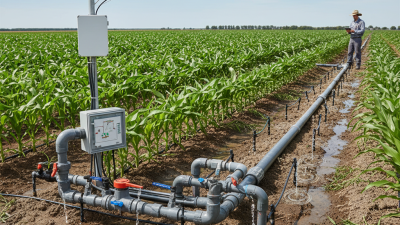
Drip irrigation is another option, mainly for gardens and crops. It delivers water direct to the root zone, minimizing evaporation. However, installing a drip system requires planning. Poorly placed tubing might result in uneven watering. An analysis from the USDA indicates that drip systems can save up to 60% more water than traditional methods. Yet, over time, they can also become clogged, needing regular maintenance.
Evaluating Water Efficiency and Coverage of Irrigation Sprinklers
When evaluating water efficiency in irrigation systems, one critical factor is the water application rate. Data from the Irrigation Association suggests that an efficient system should aim for application rates of 0.5 to 1.0 inch per hour. This allows soil to absorb water properly. High rates can lead to runoff, which wastes water and nutrients.
Coverage is another essential aspect. Uniformity in water distribution affects plant health. Research indicates that a sprinkling system should achieve at least 85% uniformity. Poor coverage can result in dry spots and overwatered areas. These inconsistencies can lead to significant issues, including increased pest activity.
Consider the nozzle design as well. Certain nozzles deliver larger droplets, which can minimize wind drift. This aspect is especially important in areas prone to high winds. A good design can improve water efficiency by 20% or more. However, this requires regular maintenance and occasional adjustments, which many overlook. The balance between efficiency and system complexity must be considered carefully.
Assessing Soil Type and Plant Needs in Irrigation System Selection
When selecting an irrigation system, understanding your soil type is crucial. Different soil types—sand, clay, or loam—absorbs water at varying rates. According to research from the USDA, sandy soils allow quick drainage. In contrast, clay retains moisture longer, which can lead to overwatering if not managed properly. It is vital to test soil texture and structure to tailor your irrigation approach effectively.
Plant needs also play a significant role in irrigation choices. Deep-rooted plants, such as trees, may require less frequent watering compared to shallow-rooted plants like annuals. Data from the University of California’s Agriculture and Natural Resources indicates that diverse plant species have unique water requirements. A mismatch can cause stress or disease in plants. Observing irrigation practices and adjusting them to plant responses can offer insights on effectiveness. It’s not just about water amount; timing and frequency matter too.
Choosing the right irrigation system isn't always straightforward. You might find that a tried approach ends up being inefficient. It’s common to overlook how quickly plants dehydrate during hot spells. Alternatively, in cooler weather, less water may be needed. Regular evaluations help adapt strategies, ensuring every plant gets what it needs without waste. Being attentive allows for better results in your garden or landscape.
How to Choose the Best Irrigation System Sprinklers? - Assessing Soil Type and Plant Needs in Irrigation System Selection
| Soil Type |
Recommended Sprinkler Type |
Watering Needs (inches/week) |
Best Time to Water |
Typical Plant Types |
| Clay |
Drip Irrigation |
1-2 |
Early Morning |
Trees, Shrubs |
| Sandy |
Spray Sprinklers |
2-3 |
Late Evening |
Flowers, Vegetables |
| Loamy |
Oscillating Sprinklers |
1-1.5 |
Morning or Afternoon |
Grass, Perennials |
| Rocky |
Soaker Hoses |
1-2 |
Early Morning |
Cacti, Drought-Resistant Plants |
| Heavy Clay |
Rotary Sprinklers |
0.5-1 |
Late Evening |
Perennials, Ornamental Grasses |
Analyzing Costs and Maintenance Requirements of Various Sprinkler Systems
When selecting an irrigation system, it’s essential to analyze costs and maintenance requirements. Different sprinkler systems come with various financial implications. For instance, a drip irrigation system might require a higher initial investment, with costs averaging around $1,500 for installation in an average-sized garden. However, it typically shows significant savings in water use, reducing overall operational costs by about 30%.
Maintenance is another critical aspect. Some systems, like pop-up sprinklers, are less costly to maintain but can require regular checks for clogs. Reports indicate that about 25% of homeowners neglect these checks, leading to inefficient watering. On the other hand, drip systems might require more frequent inspections to ensure no leaks occur and emitters are functioning optimally.
Furthermore, environmental factors can impact both costs and maintenance. In areas with heavy sediment, filter maintenance becomes crucial. Neglecting this can lead to a decrease in system performance and increased long-term expenses. Evaluating these factors allows for a more informed decision, ensuring that the chosen system aligns well with the garden's needs and budget constraints.
Cost and Maintenance Analysis of Various Sprinkler Systems
Exploring Technological Advances in Irrigation Systems for Optimal Efficiency
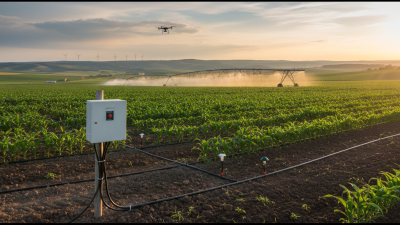
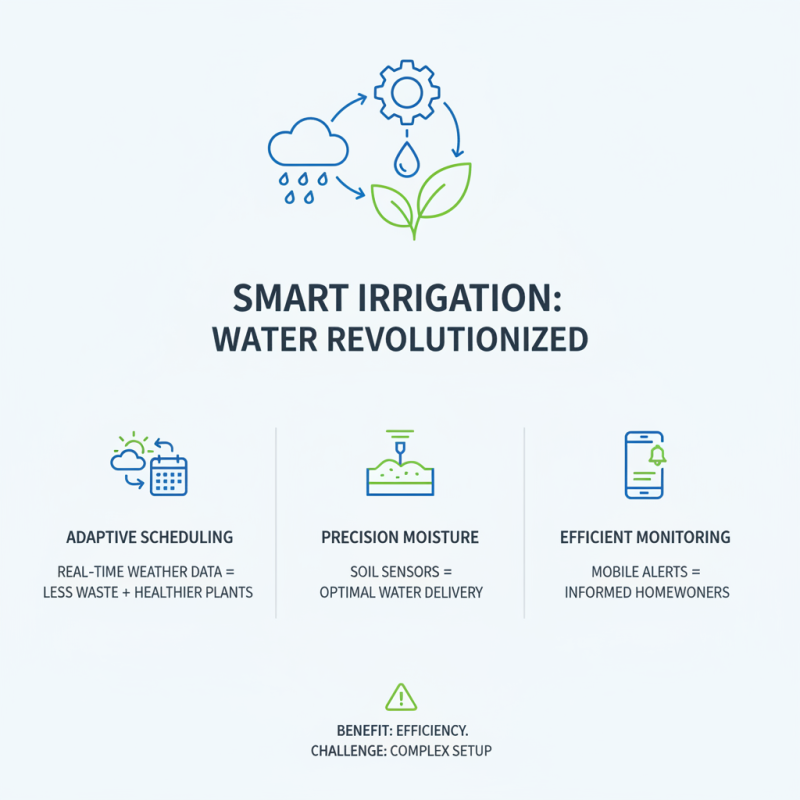
Technological advances in irrigation systems are revolutionizing how we manage water. Smart controllers can adapt watering schedules based on real-time weather data. This leads to healthier plants and reduced water waste. Sensors now monitor soil moisture levels, providing precise data for optimal irrigation. Homeowners can receive alerts when moisture dips below a certain level. It's efficient, yet some systems can be overly complex. Users may find the setup process daunting.
Drip irrigation is another advancement gaining traction. It delivers water directly to plant roots, minimizing evaporation and runoff. This method promotes healthier crops. However, maintaining these systems requires diligence. Clogs in the tubing can lead to uneven watering. Regular checks are essential for keeping things running smoothly. Some users may neglect this, leading to water waste or crop stress.
Automated systems do save time but require a learning curve. Users must understand the technology to make the most of it. One might be tempted to rely solely on automation, which can lead to complacency. A little knowledge about your plants and their needs goes a long way. Balancing technology with hands-on care is the key.