Why Choose a Rotor Sprinkler for Your Lawn Irrigation Needs?
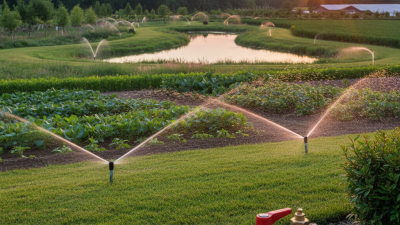
When it comes to lawn irrigation, choosing the right system is crucial. A Rotor Sprinkler stands out as a popular choice for many homeowners. Its design allows for efficient water distribution across various landscapes. This efficiency is key to maintaining a healthy lawn and conserving water.
Many gardeners appreciate the Rotor Sprinkler for its versatility. It can cover large areas uniformly, reducing dry patches that can occur with other systems. However, like any system, it’s not without its challenges. Installation may require some technical skills. You might need to adjust the angles and reach for optimal performance, which can be a bit tricky.
In the long run, investing in a Rotor Sprinkler can yield significant benefits. It promotes healthy grass and plant growth while minimizing water waste. Many users report lower water bills after switching. Yet, regular maintenance is essential; clogged nozzles can hinder performance. This aspect requires attention, ensuring your lawn thrives throughout the seasons.
Understanding Rotor Sprinklers: The Basics of Lawn Irrigation
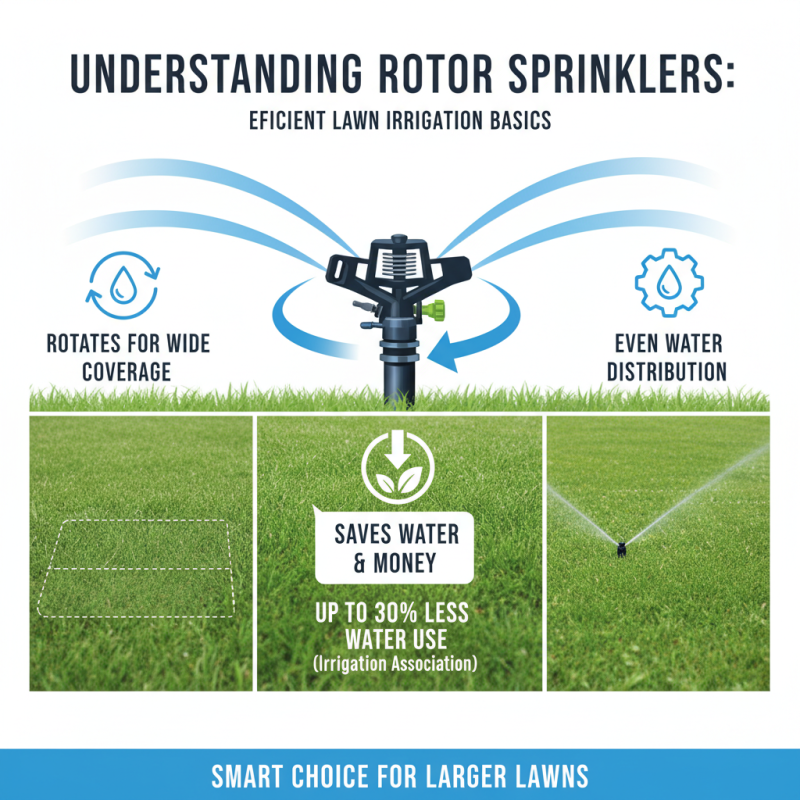
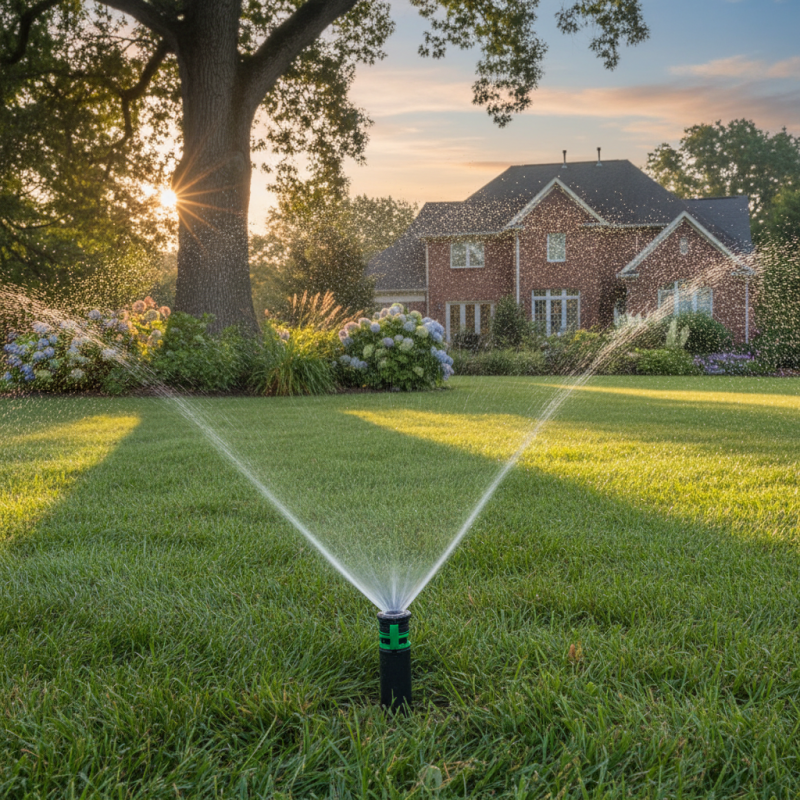
Rotor sprinklers are a popular choice for lawn irrigation due to their efficiency and effectiveness. Understanding the basics of how they work can help homeowners make informed decisions. These sprinklers rotate to distribute water evenly over large areas, providing coverage that fixed sprinklers cannot match. According to the Irrigation Association, properly installed rotor systems can reduce water usage by up to 30%. This not only conserves water but also lowers utility bills.
When choosing rotor sprinklers, consider the landscape of your lawn. Different terrains may require various spray patterns and ranges. A rotary head can cover up to 50 feet in radius, making it ideal for expansive gardens. However, improper placement can lead to dry spots or overwatering in some areas. Regular adjustments and maintenance are key to optimal performance.
**Tip:** Always adjust the sprinkler heads to prevent water damage to nearby structures or plants.
Another consideration is the water pressure required for effective operation. Rotor sprinklers often operate at higher pressure levels, which might not be suitable for all settings. Assessing your water pressure is essential.
**Tip:** Use a pressure regulator if needed to avoid damage to the sprinkler system.
By understanding rotor sprinklers’ basics, homeowners can enhance their irrigation systems for healthier, greener lawns.
Advantages of Using Rotor Sprinklers for Efficient Water Distribution
Rotor sprinklers are an excellent choice for efficient lawn irrigation. Unlike traditional spray heads, rotor sprinklers distribute water over a larger area with a powerful rotating stream. This not only covers more ground but also minimizes runoff. You can adjust the distance and arc of the spray to fit your lawn’s specific shape.
Water conservation is a key benefit of using rotor sprinklers. They deliver water slowly, allowing it to penetrate the soil effectively. This reduces evaporation and ensures more moisture reaches the roots. However, users sometimes rush the setup process, leading to uneven watering. Regular checks can prevent this issue and improve overall efficiency.
Another point of consideration is the potential for clogging. Soil particles can accumulate in the rotor mechanism. Maintenance is necessary to keep them functioning optimally. An occasional cleaning session helps maintain their performance. Choose rotor sprinklers to enhance your lawn’s health and save water.
Factors to Consider When Choosing Rotor Sprinklers for Your Lawn
When considering rotor sprinklers for your lawn irrigation, a few key factors can enhance your decision-making process. Understanding the area size is essential. Rotor sprinklers work best for larger lawns. If your lawn is small, you may not need such extensive coverage. Additionally, consider the water pressure in your area. These sprinklers require adequate pressure to function optimally. Low pressure could lead to uneven watering.
Tips for selecting the right rotor sprinklers include checking the dispersion radius. Many models offer adjustable settings, allowing for customized coverage. Look for models with multiple spray patterns. This feature enables you to adapt to different garden sections.
Finally, think about maintenance. Regularly cleaning the nozzles can prevent clogs and ensure efficient performance. A dirty sprinkler can waste water and lead to dry patches on your lawn. So, reflect on your needs and monitor your system’s performance regularly, adjusting as necessary.
Installation Tips for Optimal Performance of Rotor Sprinklers
When considering rotor sprinklers for lawn irrigation,
installation is crucial for success. Begin by assessing your lawn's layout. Identify areas that require
more or less water. This understanding will guide your sprinkler placement. Make sure the rotors are
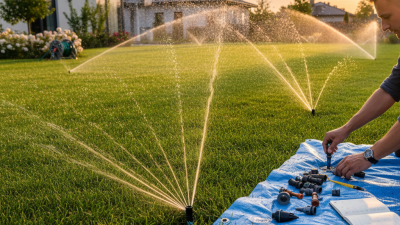
spaced correctly to ensure overlap coverage. Proper spacing prevents dry spots
or water wastage.
Next, pay attention to the slope of your lawn. On sloped areas, rotors should be positioned to reduce runoff.
Adjusting the nozzle pattern can also help control water flow. Test the system after installation. Watch for areas
that might receive more water than needed. Fine-tuning the settings
may be necessary to achieve optimal performance.
Lastly, regularly check for clogs or blockages in the nozzles. These can significantly impact performance and efficiency.
Take time for maintenance. It’s a small effort that leads to healthier grass. Reflect on your installation approach
and adjust if needed. This process promotes not only a lush lawn but also sustainable water use.
Maintenance Best Practices for Longevity of Rotor Sprinkler Systems
Maintaining rotor sprinklers is crucial for effective lawn irrigation. Regular upkeep can enhance the system's longevity, ensuring optimal performance. According to the Irrigation Association, proper maintenance can increase a sprinkler system's lifespan by up to 30%. Ignoring maintenance can lead to inefficiencies and wasted water, with estimates suggesting that poorly maintained systems can lose 20% of their efficiency.
To effectively care for rotor sprinklers, start with regular inspections. Check for clogs and inspect the sprinkler heads, as debris can obstruct water flow. Seasonal adjustments are also vital. This involves changing the nozzle settings based on the season and adjusting the arc of the spray. Neglecting these changes might lead to uneven watering, resulting in dry patches on your lawn. Additionally, monitoring the moisture levels can help you avoid overwatering or underwatering.
Finally, repairing minor leaks promptly is essential. A small leak can waste up to 20 gallons of water daily. This not only impacts your water bill but also promotes soil erosion. Engaging in regular maintenance routines fosters a healthy lawn and supports local ecosystems, aligning with water conservation efforts. A proactive approach helps ensure efficiency and sustainability in lawn irrigation.
Water Usage Comparison of Different Irrigation Systems