Why Choose Irrigation Rotor Heads for Your Garden or Landscape Needs?
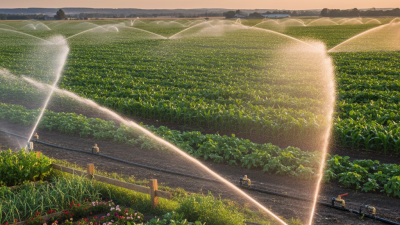
Irrigation Rotor Heads are a key investment for any garden or landscape. They provide efficient and uniform water distribution. According to the Irrigation Association, efficient irrigation can reduce water usage by up to 50%. This technology not only conserves water but also supports plant health and growth.
Utilizing Irrigation Rotor Heads means embracing advanced watering solutions. These devices minimize runoff and ensure that every inch of your landscape receives optimal moisture. Research shows that properly managed irrigation systems can boost plant productivity by as much as 25%. However, improper installation can lead to uneven watering and wastage.
Choosing the right Irrigation Rotor Heads requires careful consideration. Analyze your landscape's specific needs before purchase. Professional advice can be invaluable. Reflecting on the potential pitfalls of insufficient irrigation planning can guide better choices in landscape management. Embracing these techniques leads to a thriving garden and a sustainable future.
Benefits of Using Irrigation Rotor Heads in Gardening and Landscaping
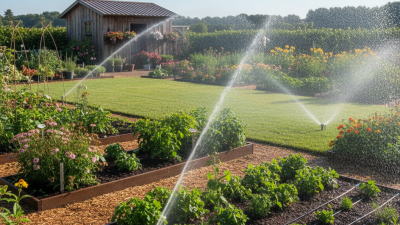
Irrigation rotor heads offer significant benefits for gardening and landscaping.
They provide uniform water distribution, which is crucial for healthy plant growth.
The precision of these systems ensures that every plant receives the moisture it needs.
This reduces water wastage and minimizes the risk of over-watering.
Efficient use of water leads to a more sustainable garden.
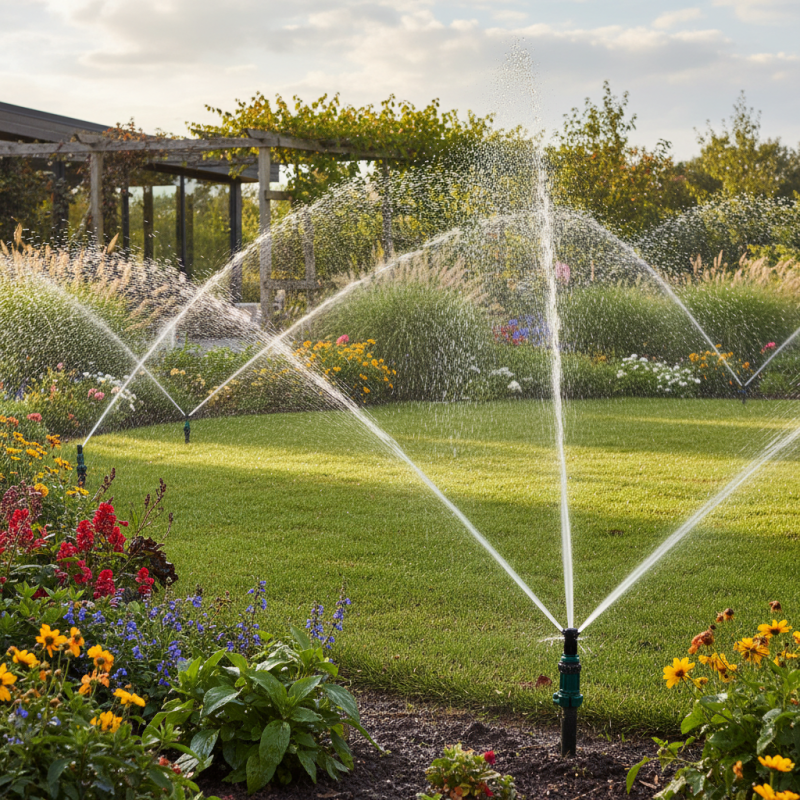
These rotor heads can cover large areas, making them ideal for expansive lawns or landscaped gardens.
Their ability to rotate allows them to reach every inch of the space, preventing dry spots that can harm plant health.
However, users may sometimes struggle with installation and adjustments.
It is essential to read the guidelines carefully for optimal performance.
Moreover, regular maintenance is needed to keep these systems functioning properly.
If ignored, issues like clogged nozzles can arise.
These problems may lead to uneven watering.
Users might find themselves needing to recalibrate their systems occasionally.
A good irrigation system requires attention and adaptability to changing conditions.
Types of Irrigation Rotor Heads and Their Applications
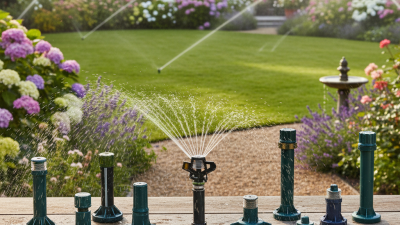
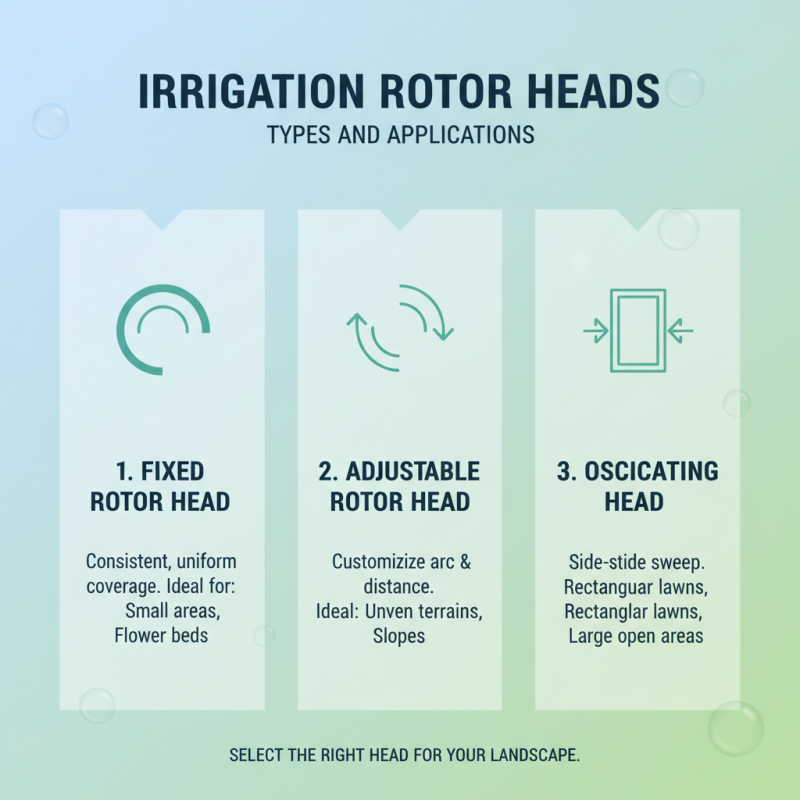
When selecting irrigation rotor heads for gardens or landscapes, understanding the types and their applications is crucial. Rotor heads come in various designs, each suited for specific watering needs. The three main types include fixed, adjustable, and oscillating rotor heads. Fixed rotor heads provide consistent coverage, ideal for smaller areas or flower beds. Adjustable types allow for customizable coverage, perfect for uneven terrains. Oscillating rotor heads offer a side-to-side spray, ideal for rectangular lawns.
Tips: Choose the right rotor head for your garden size. Smaller gardens benefit from fixed heads. Larger or irregular spaces may require adjustable or oscillating options. Always consider water pressure too. Low pressure may limit the effectiveness of certain heads.
Another key aspect is the distance each rotor head can cover. Many nozzle options exist to adjust spray patterns. This versatility can help save water while ensuring plants receive adequate moisture. Take time to test different settings. You may find the ideal configuration through trial and error. Remember to check for clogs regularly. A minor blockage can impact your irrigation system's efficiency significantly.
How Irrigation Rotor Heads Improve Water Efficiency and Conservation
Irrigation rotor heads are a smart choice for gardens and landscapes. They offer targeted watering that conserves water effectively. These systems can be adjusted to deliver the right amount of water for each area. This prevents overwatering and reduces wastage. With an efficient setup, plants receive moisture without the risk of root rot. It's a common mistake to assume all areas need the same amount of water. Rotor heads can be tailored to specific plant needs, maximizing their health.
Water efficiency is crucial in today’s climate. Many gardeners struggle to balance plant needs with water conservation. Rotor heads make this easier by providing even coverage. They can rotate to cover large areas while using less water. This method ensures that water penetrates the soil rather than running off. There’s often a temptation to water frequently but shallowly. It’s essential to allow roots to dig deeper for moisture. This is where rotor heads shine, encouraging healthy plant growth.
The value of water conservation cannot be overstated. As droughts become more common, efficient irrigation systems like rotor heads are essential. Many users find that their gardens thrive better with less frequent, deeper watering. This approach not only benefits the plants but also the environment. However, improper adjustments can lead to inefficiencies. Understanding the specific needs of your landscape is key to making the most of these systems.
Maintenance Tips for Ensuring Optimal Performance of Rotor Heads
Maintaining irrigation rotor heads is crucial for a thriving garden. Regular maintenance ensures these systems provide consistent water distribution. According to the Irrigation Association, efficient irrigation can improve crop yields by up to 30%. This can drastically reduce water waste in landscapes, making proper care essential.
Inspecting rotor heads for clogs is a key maintenance step. Soil and debris can block water flow. A study by the Environmental Protection Agency showed that clogged irrigation systems can waste up to 15% of water. Clean the rotor heads regularly to prevent this. Adjusting the nozzle and checking for leaks is equally important. These simple tasks can extend the lifespan of the system.
Seasonal assessments should not be overlooked. Rotor heads can suffer from wear and tear, especially after harsh weather. A survey indicated that 25% of landscape professionals see performance drop due to inadequate seasonal care. Documenting any changes in performance can help track potential issues. Regular maintenance not only saves resources but also enhances the overall beauty of the landscape.
Choosing the Right Rotor Head for Different Types of Plants and Soil
Choosing the right rotor head is crucial for effective irrigation. Different plants and soil types have unique water needs. For instance, delicate flowers require a gentle spray. A rotor head that offers a fine mist works best, preventing soil erosion. On the other hand, larger shrubs thrive with a more powerful stream. Opt for adjustable heads to cater to various plants in a single area.
Soil type also plays a significant role in your choice. Sandy soils drain quickly and often require more frequent watering. A rotor head with a wider coverage can help in these areas. Conversely, clay soils retain water longer; therefore, a head that allows for slower, deeper watering will prevent over-saturation and root rot. It’s essential to monitor your garden’s performance and adjust the rotor as needed. Some might find it challenging to meet all plants' needs with one type of head. Being mindful of these factors leads to healthier plants.
Water Usage by Different Irrigation Rotor Heads
This chart illustrates the water usage in liters per hour for various types of irrigation rotor heads. Understanding the water efficiency of each option can help in making informed decisions about garden and landscape irrigation needs.