2026 How to Choose the Best Sprinkler Irrigation Controller for Your Garden?
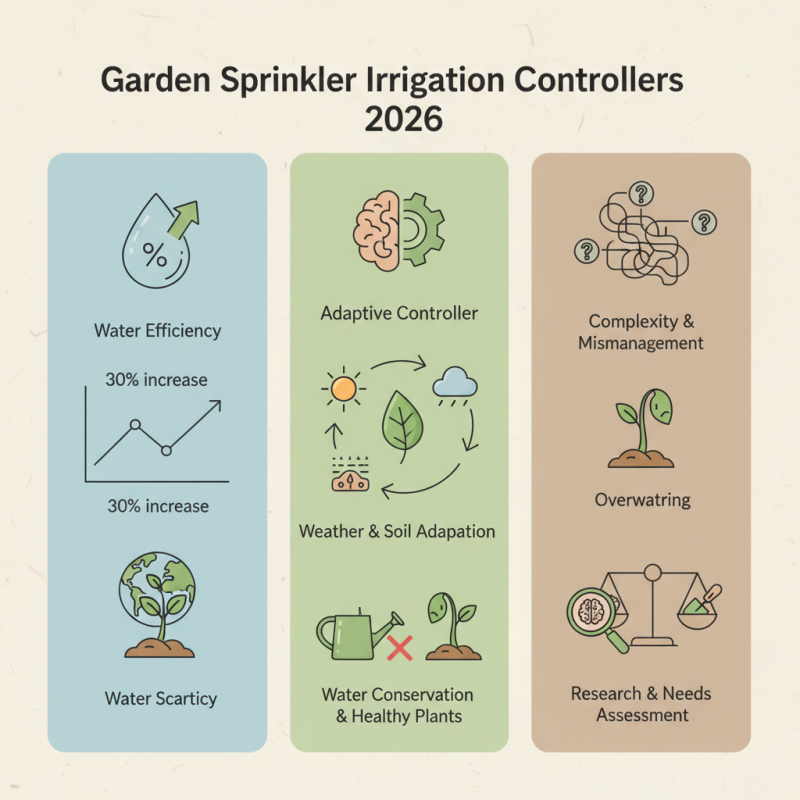
In 2026, choosing the best Sprinkler Irrigation Controller is essential for a thriving garden. Effective irrigation systems can boost water efficiency by up to 30%, according to market research by the Irrigation Association. This efficiency is crucial in areas facing water scarcity. An ideal controller adapts to weather changes and soil moisture levels, conserving water resources and maintaining healthy plants.
However, not all controllers are created equal. Some models are complicated, leading to mismanagement. A report from the Water Research Foundation pointed out that nearly 40% of homeowners misuse their irrigation systems, resulting in overwatering. Choosing the right Sprinkler Irrigation Controller requires understanding your garden's needs.
Investing time in research can be overwhelming. Many users feel unsure about features and technology options available today. Striking a balance between complexity and functionality is vital. Weighing the benefits against potential challenges can lead to better decisions and healthier gardens.
Understanding the Basics of Sprinkler Irrigation Controllers
Sprinkler irrigation controllers are essential for any garden. They automate watering schedules, ensuring plants get the right amount of water. Understanding how they function helps in choosing the right one.
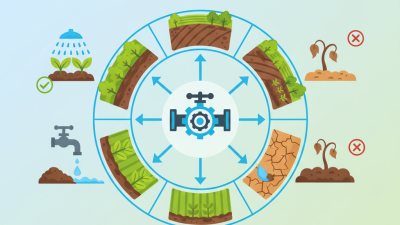
Most controllers allow for customizable settings. You can set specific days and times for watering. Some even have sensors that adjust based on weather conditions. However, figuring out your garden’s needs can be tricky. Different plants require different amounts of water. You might overwater or underwater them without careful planning.
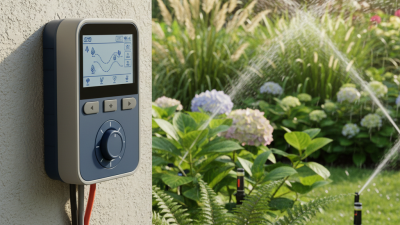
Look for ease of use. Controllers should have clear displays and straightforward programming. Complicated settings can lead to frustration and errors. Remember, not all features are necessary for every garden. Focus on what suits your space best. Sometimes, simpler is better. Carefully evaluate what you really need in your garden setup.
2026 How to Choose the Best Sprinkler Irrigation Controller for Your Garden? - Understanding the Basics of Sprinkler Irrigation Controllers
| Feature |
Description |
Importance |
Recommended |
| Zones |
Number of different areas that can be controlled independently |
High |
At least 4 zones for a medium garden |
| Smart Features |
Integration with weather forecasts and smartphones |
Medium |
Bluetooth or Wi-Fi capability |
| Manual Override |
Ability to start or stop irrigation manually |
High |
Essential for emergencies |
| Watering Schedule |
Customizable settings for watering times and durations |
High |
Flexible scheduling options |
| Compatibility |
Works with various irrigation systems |
Medium |
Check compatibility with existing systems |
Identifying Your Garden's Specific Watering Needs
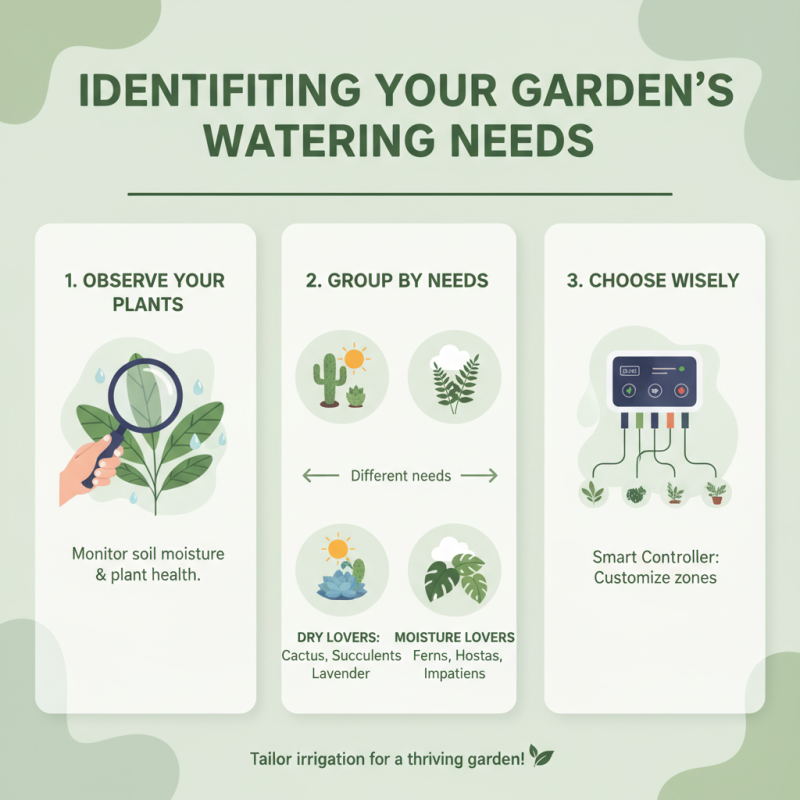
Choosing the right sprinkler irrigation controller hinges on understanding your garden's specific watering needs. Each plant type has unique hydration requirements. Some thrive in dry soil, while others prefer constant moisture. Observing your garden will help you identify its needs.
Consider the layout of your garden. Does the sun hit all areas equally? Shaded spots may need less water. Areas with direct sunlight will require more frequent irrigation. Additionally, the type of soil matters. Sandy soils drain quickly, while clay retains water longer. These nuances can affect your sprinkler settings.
Tip: Create a simple watering schedule based on plant types. For example, succulents could thrive with less frequent watering. Monitor soil moisture levels with your finger. If it feels dry two inches down, it’s time to water. Document your findings for better future decisions. Not every setup will work perfectly. Some adjustments may be necessary to get it right. Embrace the trial and error process. Adjustments will lead to a healthier garden.
Evaluating Different Types of Irrigation Controllers Available
When choosing an irrigation controller, it’s vital to evaluate the different types available. Controllers can be divided into three main categories: mechanical, digital, and smart. Mechanical controllers are straightforward, relying on timers to manage water flow. They are often less expensive but can lack precision in varying conditions. Reports indicate that traditional mechanical systems can waste up to 35% more water compared to newer technologies.
Digital controllers offer improved precision through programmable features. These devices allow for specific scheduling based on weather patterns and plant needs. According to research, using a digital controller can reduce water consumption by up to 25%. However, they often come with a steeper learning curve, which may deter some users. Users might struggle with programming, leading to over- or under-watering.
Smart controllers represent the latest technology, utilizing real-time data to optimize irrigation. They connect to weather forecasts and soil moisture sensors, adjusting watering schedules automatically. The efficiency of smart systems can lead to water savings of 30% or more. Yet, with all this technology, some users report feeling overwhelmed by the setup. The complexity can sometimes outweigh the benefits, prompting a reconsideration of whether simplicity might be preferable.
Key Features to Look for in a Sprinkler Irrigation Controller
When choosing a sprinkler irrigation controller, consider its key features. A reliable controller should have a user-friendly interface. This allows for easy scheduling and adjustments. Look for controllers that offer both manual and automated settings. Automation saves time and ensures consistent watering.
Connectivity is another important aspect. Some controllers now offer Wi-Fi connectivity. This lets you control your system remotely through an app. It’s convenient, but can sometimes be tricky. There can be connectivity issues if your Wi-Fi is weak.
Tip: Check the range of settings available. Controllers that provide multiple zone control can be very helpful. This allows you to customize watering for different areas of your garden.
Also, think about water conservation features. Many controllers come with rain sensors. These shut off the system when it rains. Reducing water waste is essential but can lead to overwatering if not calibrated well.
Tip: Always read user reviews regarding durability and performance. It helps to see how the controller performs in real gardens. Look for feedback on customer support, too.
Tips for Installation and Maintenance of Your Irrigation System
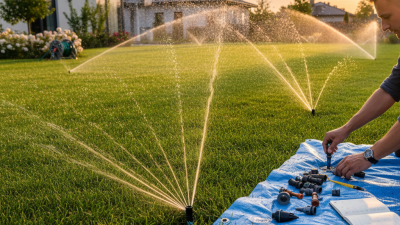
Installing and maintaining an irrigation system requires careful planning. When setting up your system, start by assessing your garden's specific needs. Check the size of your garden, the plants you have, and their water requirements. This information helps you determine the right layout for your sprinkler system.
During installation, pay attention to the spacing of your sprinklers. Improper spacing can lead to uneven watering, resulting in dry spots or over-saturation. Regularly check for clogs in the sprinkler heads. A simple visual inspection can save you from bigger headaches later.
Maintenance is essential for longevity. Clean filters at least once a month, ensuring proper flow. Adjust the timers and check for leaks, as these issues can waste water and increase costs. Gardening can be unpredictable, and even the best systems may fail sometimes. Stay observant, and make adjustments as necessary. Your garden deserves the best care!