2026 How to Choose the Best Irrigation Parts for Your Garden?
Selecting the best irrigation parts for your garden can transform your gardening experience. As John Smith, a renowned irrigation specialist, once said, "The right parts can make all the difference." Understanding your garden's specific needs is crucial.
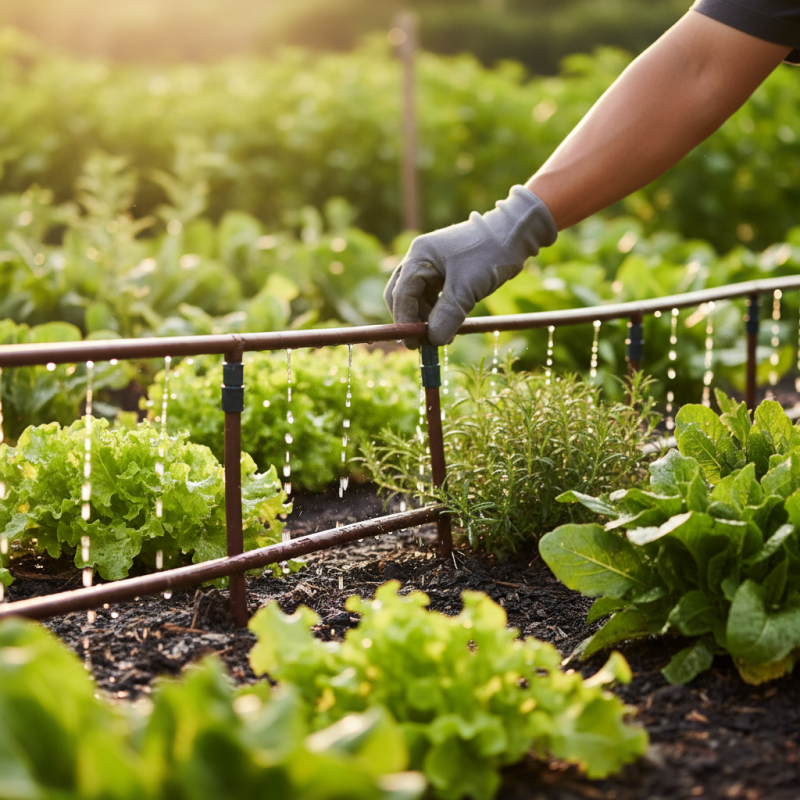
Different plants require various moisture levels. Some thrive in wet soil, while others prefer dryness. This variation makes choosing the right irrigation parts essential. For instance, consider drip systems for delicate plants. They deliver water directly to the roots, minimizing waste.
It’s important to recognize that not all irrigation parts are created equal. Quality matters, and sometimes, it’s tempting to cut corners. This approach can lead to failures in your gardening efforts. Take the time to research and select components tailored to your garden’s unique environment. Reflecting on your choices will help ensure healthy plants and a flourishing garden.
Understanding Different Types of Irrigation Systems for Your Garden
When choosing an irrigation system for your garden, it's crucial to understand the different types available. Drip irrigation delivers water directly to the roots of plants. This method minimizes evaporation and runoff. However, it can be time-consuming to install. If not set up correctly, some areas may remain dry. That's a common mistake for beginners.
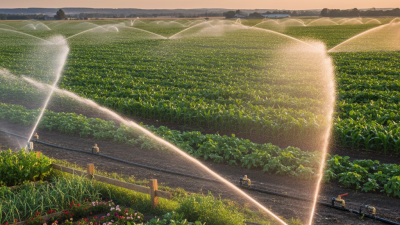
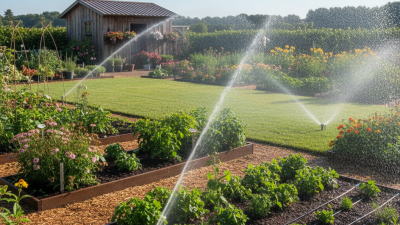
Sprinkler systems cover larger areas. They’re effective for lawns and flower beds. However, they can waste water if not adjusted properly. Wind can also blow water away from target plants. Consider this before installation. A soaker hose might work better in some gardens. It gently waters through porous material, reducing water loss.
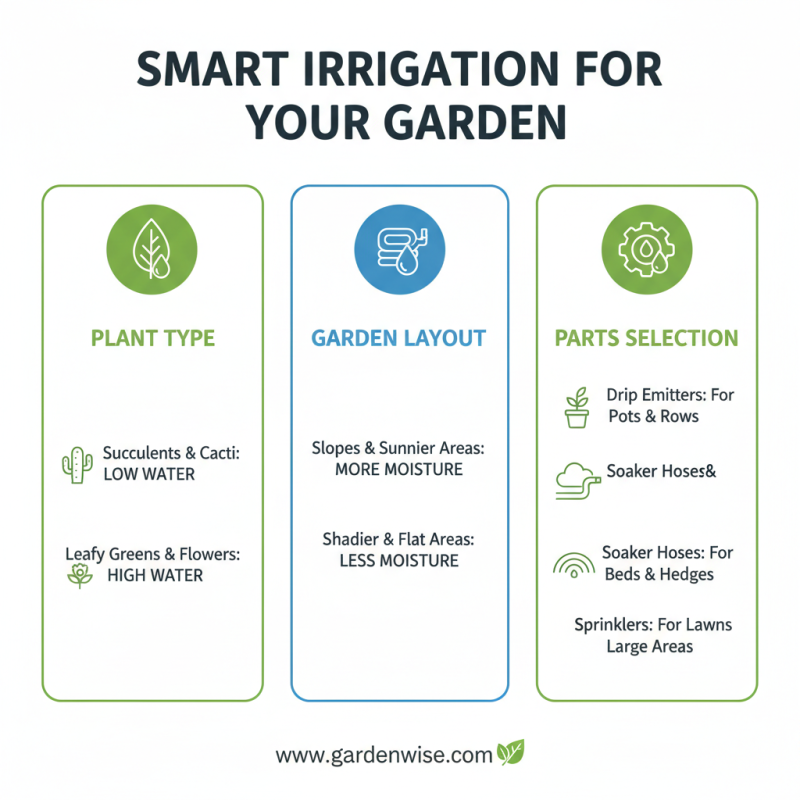
Every garden is unique, requiring different solutions. Choose based on plant needs and garden layout. Assess the soil type and drainage. Each choice can impact growth and water efficiency. Reflect on your priorities and available resources. Failing to plan can lead to excess water use or under-watering. Make sure to evaluate your options thoroughly before making a decision.
2026 How to Choose the Best Irrigation Parts for Your Garden?
| Irrigation System Type |
Description |
Advantages |
Disadvantages |
Best For |
| Drip Irrigation |
Delivers water directly to the roots of plants through a system of tubing and emitters. |
Water efficiency; minimizes evaporation and runoff; ideal for individual plants. |
Initial setup cost can be high; requires regular maintenance. |
Vegetable gardens, flower beds, and trees. |
| Sprinkler System |
Distributes water in droplets across the garden using overhead sprinklers. |
Covers large areas; relatively easy to install and use. |
Can lead to water wastage; susceptible to wind and evaporation. |
Lawns and large flower beds. |
| Soaker Hoses |
Permeable hoses that allow water to seep out through the walls of the hose. |
Simple to use; flexible and can be laid out in various patterns. |
Less control over water distribution; can clog easily. |
Flower gardens and rows of plants. |
| Surface Irrigation |
Water is applied directly to the soil surface and flows over the land by gravity. |
Low initial cost; simple to operate. |
Inefficient water usage; can lead to erosion. |
Large agricultural fields. |
Key Factors to Consider When Selecting Irrigation Parts
When selecting irrigation parts for your garden, consider several key factors. The type of plants you grow influences your choice significantly. Different plants have varying water needs. For example, succulents need less water than leafy greens. Assess your garden layout to identify areas requiring more or less moisture.
Next, think about the water source. Will you use a hose, a rain barrel, or a well? Each source requires specific parts, like hoses or pumps. The pressure of your water supply also matters. Low pressure may limit your options. You may need specialized components to compensate for it.
Don’t overlook the size of the area. A small urban garden requires different parts than a larger plot. Drip irrigation is ideal for small spaces. It's precise and conserves water. However, if your garden is extensive, consider a sprinkler system. It covers a large area but can sometimes waste water. Balancing efficiency and coverage is crucial. Each decision impacts not only your garden's health but also water usage. Reflect on your choices to optimize your setup.
Essential Components of an Effective Irrigation System
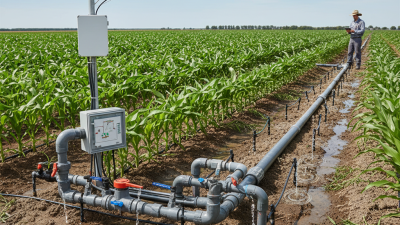
When establishing an effective irrigation system, understanding its essential components is crucial. A reliable water source is the backbone of any setup. This could be a well, pond, or even a municipal supply. Choosing the right water source ensures a steady flow for your garden. Additionally, you might encounter challenges like low water pressure or inconsistent supply, which can hinder growth.
Next, consider the irrigation methods available. Drip irrigation is popular for its efficiency. It delivers water directly to the plant roots, minimizing waste. However, many gardeners overlook the importance of maintenance. Regular checks can prevent clogs, ensuring your system runs smoothly. Sprinkler systems, on the other hand, cover larger areas. They are easy to set up but can be less efficient. Uneven coverage can lead to dry patches or overwatering.
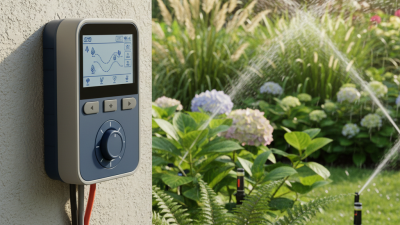
Don’t forget filtering and timing devices. Filters help maintain clean water flow, while timers automate watering schedules. A consistent approach prevents over-reliance on memory. Many forget to adjust settings for weather changes. In any case, evaluating and tweaking your system is a continuous journey. Each garden has unique needs. Observing plant responses helps refine your watering practices.
Tips for Ensuring Compatibility Among Irrigation Parts
When choosing irrigation parts, compatibility is key. According to a recent industry report, 75% of gardeners encounter issues due to mismatched components. This can lead to inefficient watering and increased costs. It is vital to consider the specifications of each part. For example, check pipe diameters and fitting sizes diligently.
Tip: Measure accurately before purchasing. A small discrepancy can cause leaks or improper flow. Always consult compatibility charts whenever possible. Many retailers provide these resources to help customers make informed choices.
Remember, the right connection can save time. Mixed systems often frustrate users. A simple wrong part can ruin a whole setup. The failure rate for untested combinations is notably high, around 60%. Don't rush the selection process; invest time in research. It pays off in reliable performance and healthy plants.
Maintenance and Upgrades for Optimal Irrigation Performance
Maintaining your irrigation system is crucial for a thriving garden.
Regular checks can prevent small issues from escalating.
Inspect your hoses and fittings for leaks or damages.
A tiny crack can waste gallons of water.
Don't overlook the importance of cleaning filters.
Clogged filters can decrease water flow.
A simple rinse can restore performance.
Upgrade your system to enhance efficiency.
Consider adding timers to automate watering schedules.
Timers help ensure plants receive adequate moisture.
Drip irrigation is another option. It provides targeted watering, reducing waste.
Think about the layout of your garden.
Adjust your sprinklers to avoid areas that don’t need water.
Reflect on your current setup.
Are your plants thriving? If not, it may be time for an overhaul.
Keep an eye on weather changes.
Adjust watering based on rainfall and humidity.
Learning from each season helps improve your irrigation approach.
Mistakes are part of the process.
Each adjustment brings you closer to a healthy garden.