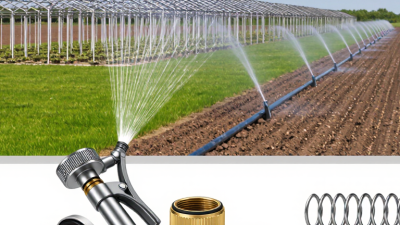
Adjustable Sprinkler Heads help growers and landscape teams direct water where it is needed, rather than across paths, walls, or bare soil. A small adjustment can change the spray arc, radius, or flow pattern. On a compact lawn, that may mean fewer wet paving stones. In a greenhouse row, it can help keep water on the planting beds. Results still depend on pressure, spacing, nozzle design, and maintenance. A head that looks suitable on paper may perform differently once installed.
For a reliable supplier comparison, buyers should look beyond catalog photos. Check product materials, adjustment range, flow-rate information, testing documentation, customization options, and after-sales support. Ask suppliers how their heads perform under the pressure conditions you actually use. Also inspect sample units: a stiff adjustment ring or uneven spray can be easy to miss in a specification sheet. One practical principle is, “Choose for the water pattern you need, not just the price you see.” This is an editorial line, not a verified quotation from a named industry expert; adding an expert’s name without a reliable source would be misleading.
This guide introduces ten China-based suppliers of Adjustable Sprinkler Heads and highlights details worth checking before requesting samples or quotations. Supplier claims should be independently confirmed, especially when comparing materials, production capacity, certifications, and delivery terms. No list can replace testing. A short field trial may reveal more than a polished brochure.
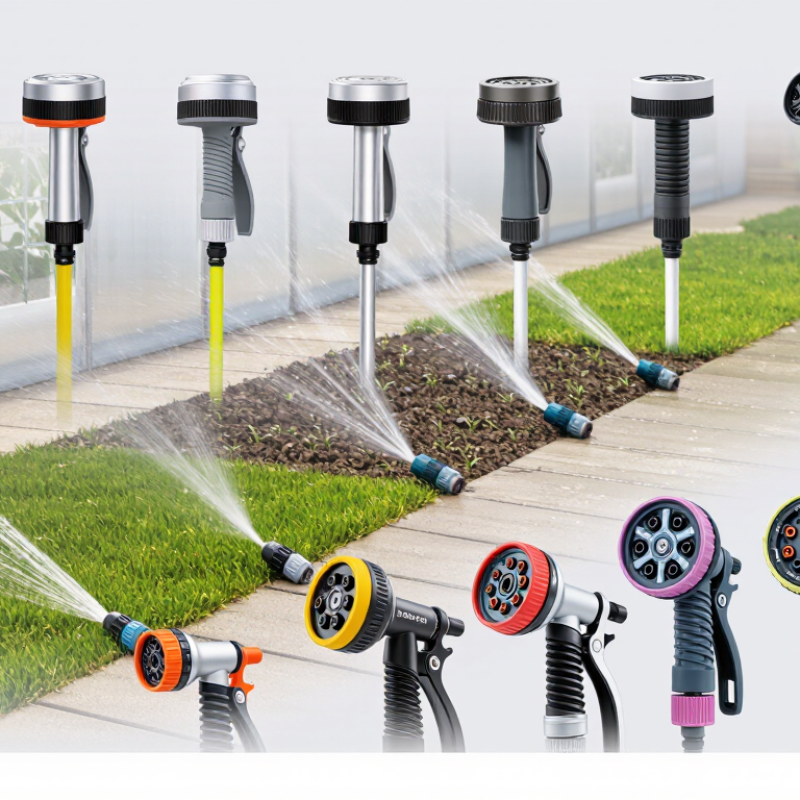
China Top 10 Adjustable Sprinkler Heads Suppliers
Adjustable Sprinkler Heads: Types, Uses, and Core Irrigation Terms
Adjustable sprinkler heads help direct water to lawns, narrow borders, and irregular planting beds. Spray heads usually cover shorter distances and suit small areas. Rotor heads turn across a wider area, making them useful for open lawns. Some nozzles let users change the spray arc or distance. A narrow strip beside a wall may need a reduced arc to keep water off the paving.
A few terms matter when comparing head types. Arc describes the angle watered; radius is the distance from the head to the edge of coverage. Water pressure affects both, so the printed range may not match real conditions. Precipitation rate describes how quickly water reaches the ground. Heads in one zone should have compatible rates to reduce dry patches and pooling. Even a careful layout can miss a dry crescent near a corner; checking coverage in the field is worthwhile.
Tips: Run each zone briefly and watch the spray on the ground. Adjust the arc before increasing run time. Check twice. Wind, slope, and plant growth can change coverage, so review the setup during the season.
When comparing adjustable sprinkler head suppliers, begin with the four numbers that affect real coverage: arc, spray radius, flow rate, and operating pressure. A 0–360° adjustment can suit narrow borders or open lawns, but the stated radius may depend on pressure and nozzle choice. Compare models at the same pressure and arc. Otherwise, the numbers are not truly comparable. Small differences matter.
The U.S. EPA’s WaterSense outdoor water use guidance reports that outdoor use accounts for more than 30% of household water use nationwide, and inefficient irrigation can waste substantial amounts. That makes flow rate more than a catalog detail. Check the flow specified for the selected nozzle and arc, then match it to the available supply. Also confirm the recommended operating-pressure range; excessive pressure can create fine mist, while low pressure may shorten the throw. Measure radius at the site if possible, especially near walls or windy corners. A neat specification sheet can still mislead.
USGS’s Estimated Use of Water in the United States in 2015 reports irrigation withdrawals of about 118 billion gallons per day nationwide. This broad figure is not a household sprinkler estimate, but it underscores why efficient selection matters. Ask suppliers for test conditions behind their figures, including pressure and flow. If those details are missing, treat the advertised radius cautiously. I would compare coverage in the actual layout, not just on paper.
China Top 10 Adjustable Sprinkler Heads Suppliers
When comparing Chinese suppliers, check certificates against the exact product and factory, not just a website logo. Ask for current documents, issuing-body details, and test reports for pressure, spray pattern, and material durability. Requirements can vary by destination market, so confirm the relevant standards before placing an order.
Quality shows in repeatable details. Request samples and compare nozzle adjustment, thread fit, leakage, and spray coverage under consistent water pressure. Ask how the supplier records inspection results and handles rejected batches. A polished catalog can still hide a weak process; one factory visit is not proof either. It is easy to overvalue appearance. Review production records and speak with the quality team. Check whether stated capacity includes other customers’ orders, and ask for realistic lead times during peak season. Small details matter.
Tips: Request a sample from a regular production run, not only a specially prepared one. Compare it with the approved sample, and document any differences before confirming bulk production. If an answer is vague, ask again in writing.
Supplier evaluation matrix for adjustable irrigation sprinkler heads. Scores are assigned from document and sample verification; they are not claims about any specific supplier.
| No. | Evaluation dimension | Weight | What to verify | Evidence and practical evaluation method | Scoring guidance |
|---|---|---|---|---|---|
| 1 | Relevant product experience | 8% | Experience making adjustable irrigation sprinkler heads and related components. | Request product drawings, catalog specifications, representative samples, and references for comparable products. Confirm whether the factory or a trading company controls production. | Score higher when product scope, manufacturing role, and supporting records are consistent and verifiable. |
| 2 | Business and export documentation | 8% | The contracting entity, manufacturing location, and export documentation align with the proposed transaction. | Check the business license, company details on quotations and contracts, factory address, and relevant export documents. Verify details through appropriate official or third-party channels. | Score higher when identity, address, scope of business, and transaction documents are clear and consistent. |
| 3 | Quality management system | 12% | Documented controls for incoming materials, production, inspection, nonconformities, and corrective actions. | Request a current ISO 9001 certificate if available and confirm its validity, covered site, and scope with the issuer or accreditation database. ISO 9001 certifies a quality management system, not a sprinkler-head model. | Score based on certificate verification and evidence that documented procedures are actually used in production. |
| 4 | Product compliance and market suitability | 10% | Compliance documents match the product, materials, destination market, and intended use. | Ask for applicable test reports and declarations, checking model numbers, materials, report dates, and issuing laboratory. CE marking is relevant only where applicable EU legislation requires it; it is not a universal quality certificate for irrigation heads. | Score higher for relevant, current, traceable documents; do not reward certificates that do not apply to the product or destination market. |
| 5 | Materials and durability | 10% | Specified polymer or metal grades, seals, UV exposure requirements, and resistance to the intended water and outdoor conditions. | Request material specifications and change-control records. Compare samples for fit, finish, cracking, leakage, and operation; use application-specific aging or chemical tests where required. | Score against the buyer’s written material and service-life requirements; avoid treating an unspecified “UV-resistant” claim as test evidence. |
| 6 | Performance testing and specifications | 14% | Flow rate, operating pressure, spray radius or pattern, adjustment range, and leakage performance. | Require a test report stating test setup and conditions. Compare flow and coverage at the same specified pressure; independently test pre-production samples against the agreed specification. | Score higher when repeatable results meet agreed tolerances across samples and adjustment settings. |
| 7 | Production capacity and planning | 12% | Available equipment, labor, shifts, tooling, component sourcing, and capacity for the buyer’s order volume. | Request capacity by product and time period, current utilization, production schedule, and bottleneck details. Confirm figures against equipment, staffing, and recent production records during an audit where possible. | Score against the buyer’s forecast and required delivery dates; there is no single monthly output that is appropriate for every order. |
| 8 | In-process and final quality control | 10% | Inspection methods, acceptance criteria, lot traceability, defect handling, and final checks. | Review inspection plans, sample records, calibration records, and corrective-action examples. Agree a written sampling and acceptance plan before production; inspect pilot and production lots. | Score higher when inspections are recorded, calibrated equipment is used, and corrective actions can be traced to affected lots. |
| 9 | Lead time and delivery reliability | 8% | Sample, tooling, production, and shipping lead times, including seasonal capacity constraints. | Request a milestone schedule and recent on-time delivery records for comparable orders. Confirm packaging, inspection, and shipping time are included in quoted schedules. | Score against the buyer’s required delivery window and documented performance, not an unverified best-case promise. |
| 10 | Communication and after-sales support | 8% | Responsiveness, technical support, spare-parts availability, warranty terms, and complaint resolution process. | Agree response contacts, warranty scope, claim documentation, and corrective-action timelines in writing. Evaluate technical answers during sample review and pre-production discussions. | Score based on clear commitments and demonstrated response quality; ensure warranty terms are defined in the contract. |
| Total evaluation weight | 100% | Apply the same evidence requirements and scoring method to each candidate supplier. | |||
Suggested scoring: rate each dimension from 1 (insufficient evidence or major gaps) to 5 (verified and meets requirements), then multiply the rating by its weight. Confirm all product specifications and compliance requirements for the destination market before purchase.
A comparison of ten Chinese adjustable sprinkler head suppliers is most useful when it examines products and company capabilities together. Look for clear specifications: spray radius, adjustment angle, inlet size, operating pressure, and materials. Small details matter. A head with an easy-to-turn arc ring can save time during installation, while a clogged filter can disrupt coverage.
Supplier profiles should explain more than catalog range. Check whether the company makes components in-house, offers product drawings, and can provide sample units for evaluation. Ask how it tests leakage, rotation, and spray consistency. A brief factory description is helpful, but verifiable test records and responsive technical support carry more weight. Claims still need checking.
Compare the ten profiles against the same practical needs. For a narrow lawn strip, adjustable arcs may reduce overspray; for a larger garden, compatible nozzles and stable pressure become important. Confirm spare-part availability, packaging details, and stated lead times before placing an order. Keep the irrigation layout in view. Product specifications can look precise, yet real performance varies with water pressure, soil, and installation. That part is easy to underestimate.
When comparing China’s top adjustable sprinkler head suppliers, request performance data tested under identical conditions. A spray-radius figure means little without inlet pressure and flow rate. Ask for a test sheet showing operating pressure, flow, adjustment range, and coverage pattern. A simple yard test can reveal uneven edges. Check whether the supplier reports results from repeated tests or only one sample.
Customization affects more than appearance. Confirm available nozzle angles, connection sizes, materials, and packaging options, then ask which changes require new tooling. For example, a small connector change may affect compatibility with existing hoses. Request a sample before approving a large order. It takes time, but it can prevent a costly mismatch. I would not rely on catalog photos alone.
Compare minimum order quantity and lead time in writing. Ask whether the stated lead time starts after deposit, sample approval, or final artwork confirmation. These details are easy to miss. Request separate timelines for samples and production, plus an explanation of how delays are communicated. A low MOQ may suit a trial, while larger orders could need different packaging or inspection arrangements. Supplier replies are useful evidence, but vague answers deserve a second question.