Best Irrigation Valve Types and Their Benefits?
As the backbone of any irrigation system, the irrigation valve plays a crucial role in optimizing water flow. Choosing the right type of irrigation valve can greatly impact your garden’s health. Different valves serve unique purposes, which makes understanding them essential for effective irrigation.
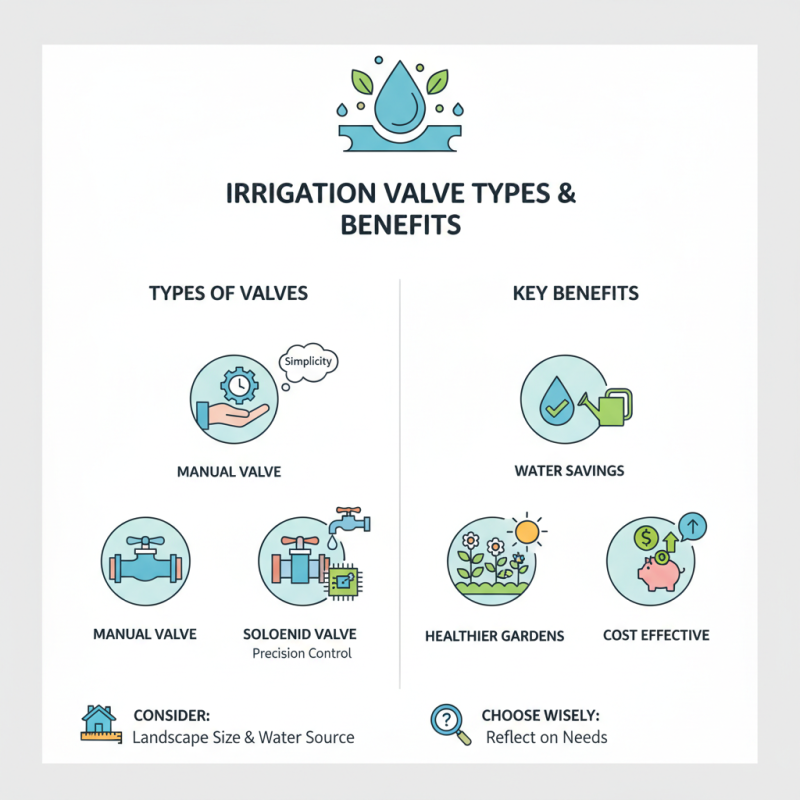
There are various types of irrigation valves available, each offering distinct benefits. For instance, manual valves provide simplicity, while automated valves enhance efficiency. The selection process can be overwhelming. Reflecting on your specific needs is vital to ensure you choose wisely.
Moreover, considering factors like landscape size and water source is important. Ultimately, a well-chosen irrigation valve can save water and create vibrant gardens. However, not all options might suit everyone. It's essential to evaluate and sometimes reevaluate what works best for your situation.
Types of Irrigation Valves: A Comprehensive Overview
When it comes to irrigation systems, selecting the right valves is crucial. There are several types of irrigation valves, each serving specific purposes. Solenoid valves are popular; they automate the system with electric signals. These valves are efficient, but they require a power source and can fail if not maintained properly.
Another common type is the manual gate valve. These are straightforward to operate and inexpensive. However, they can be labor-intensive as they require manual adjustment each time. Additionally, some users overlook their importance, leading to inefficient watering schedules. Globe valves provide a more controlled flow and function well in various applications. Yet, their complexity can lead to improper installation if not handled carefully.
In contrast, anti-siphon valves prevent backflow, protecting the water source. They are essential in many systems, but their installation can be tricky. Lastly, check valves help maintain pressure and reduce water waste, yet they can easily clog if not regularly cleaned. Each valve type has unique benefits and challenges, making it essential to assess which fits your system best.
Key Benefits of Electric Irrigation Valves in Modern Farming
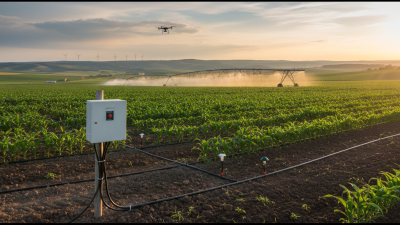
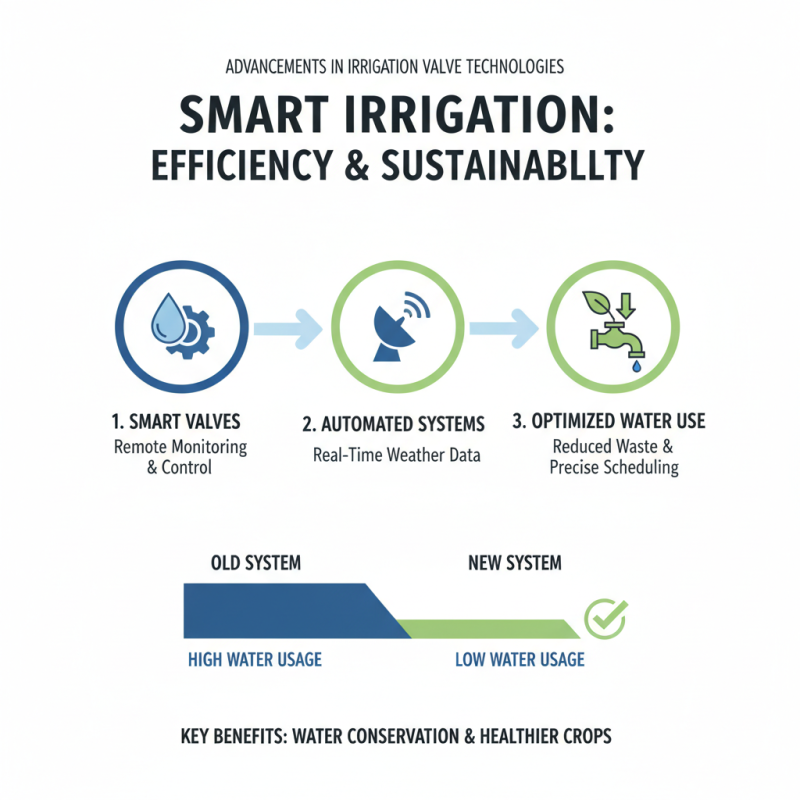
Electric irrigation valves are revolutionizing modern farming. They provide precise control over water distribution, resulting in better crop yields. Farmers can program them to operate at specific times, which saves water and reduces waste. Automated systems make it easier to manage large fields.
One key benefit is their adaptability. Electric valves work well with various irrigation systems. They can be integrated into drip systems or sprinkler setups. This flexibility is crucial for changing agricultural needs. However, maintenance is necessary. Regular checks ensure they function properly, as sometimes wires can get damaged or corroded.
Tips for using electric irrigation valves include ensuring proper installation. Misplaced valves can lead to inefficient watering. Consider using timers or sensors for optimal performance. These additions enhance water conservation efforts. Keep in mind that technology can fail; being prepared for unexpected issues can save time and resources.
Remember, the goal is efficient irrigation for the healthiest crops.
Understanding Manual vs. Automatic Irrigation Valve Systems
When choosing between manual and automatic irrigation valve systems, understanding their differences is essential. Manual systems require human intervention to operate. Users need to turn valves on and off, making it labor-intensive. This method can lead to inconsistent watering schedules. However, many appreciate the control it offers. You can adjust watering times as needed. It’s often seen as simpler and more affordable upfront.
On the other hand, automatic irrigation valves provide the convenience of scheduled watering. These systems typically utilize timers or smart technology. They can adapt watering patterns based on weather conditions. Yet, they may require more initial investment and knowledge for setup. Some users struggle with programming the timers correctly. The reliance on technology might also lead to occasional breakdowns, causing frustration. Exploring both options will help find the best fit for your irrigation needs.
Best Irrigation Valve Types and Their Benefits
| Valve Type |
Operation Method |
Benefits |
Ideal Use |
| Manual Valve |
Manual Control |
Cost-effective, Easy to operate, Greater control over watering |
Gardens with specific watering needs |
| Solenoid Valve |
Automatic Control |
Energy-efficient, Remote operation, Compatible with timers |
Automated irrigation systems |
| Angle Valve |
Manual or Automatic |
Facilitates direction changes in piping, Compact design |
Systems requiring directional changes |
| Zone Control Valve |
Automatic Control |
Allows separate control of irrigation zones, Water conservation |
Large properties with various plant needs |
| Flow Control Valve |
Manual or Automatic |
Regulates water flow, Protects system from damage |
Systems with varying pressure conditions |
Flow Rate and Pressure Considerations for Irrigation Valves
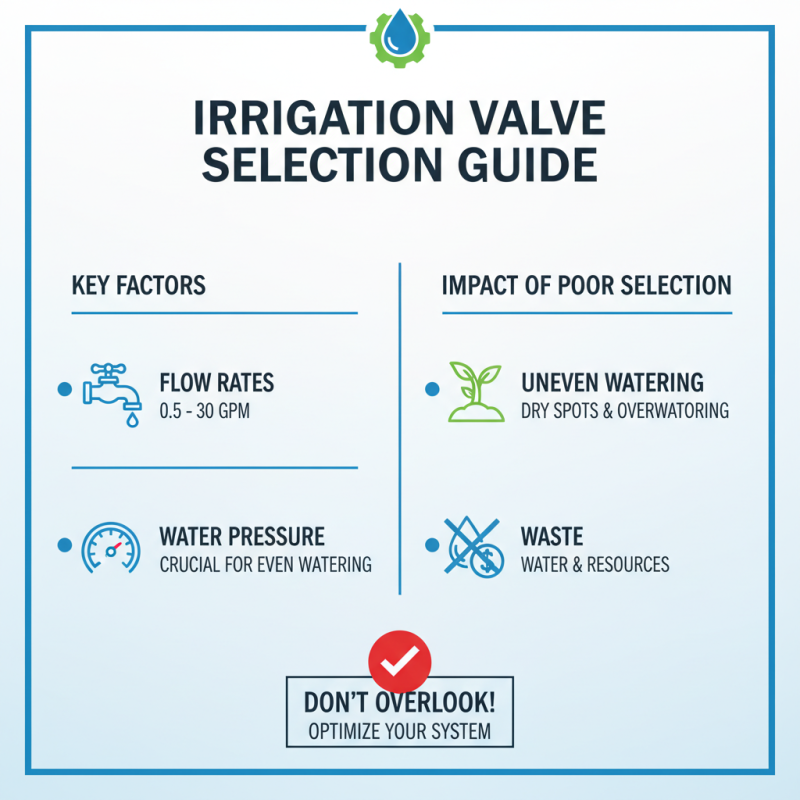
When selecting irrigation valves, understanding flow rates and pressure is crucial. These factors determine how effectively water is delivered to crops or lawns. According to a report by the Irrigation Association, optimal flow rates can range from 0.5 to 30 gallons per minute, depending on the system type. Insufficient pressure can lead to uneven watering and waste resources. It’s common to overlook these critical elements.
Choosing the right valve type, such as electric or manual, greatly impacts the system's efficiency. Electric valves are more responsive to pressure changes, while manual valves may aggravate inconsistencies in water distribution. A study by the American Society of Agricultural and Biological Engineers emphasizes that pressure losses should be kept under 10% to maintain effective irrigation.
Tips: Ensure that the valve you choose matches the system's requirements. Don't hesitate to test pressure at various points in the system. Understanding these nuances can prevent costly mistakes. Also, regular maintenance is often neglected but vital for long-term performance. Addressing small issues promptly can save significant headaches later.