10 Best Sprinkler Irrigation Parts for Efficient Water Management?
Effective water management is crucial in today’s agriculture. The right Sprinkler Irrigation Parts can make a significant difference. According to Dr. Emily Carter, an expert in irrigation technology, “Selecting the right components can enhance efficiency and reduce waste.”
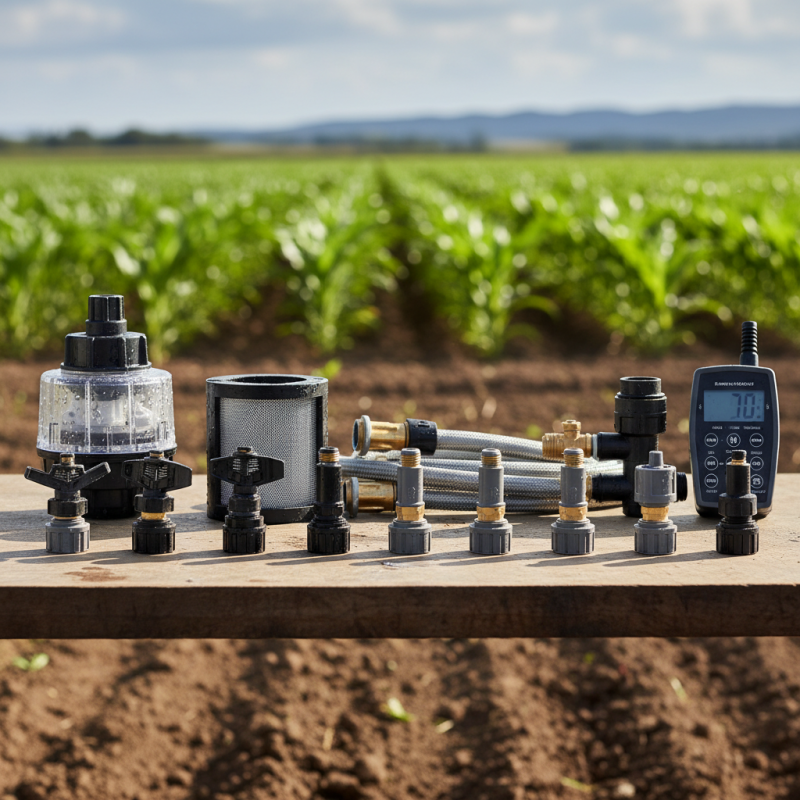
Sprinkler systems consist of various parts that can optimize water usage. No single part works in isolation. For example, the type of nozzle used directly influences water distribution and pressure. Choosing the wrong nozzle can lead to uneven watering, causing stress on crops.
Farmers face challenges when selecting Sprinkler Irrigation Parts. They often rely on outdated components or ignore maintenance schedules. Such oversights can lead to inefficient systems and water loss. Emphasizing education about these parts can help mitigate such issues. Investing in quality components is not merely a suggestion; it is essential for sustainability.
Top Picks: An Overview of Sprinkler Irrigation Components
Sprinkler irrigation systems play a crucial role in effective water management. These systems utilize various components to deliver water precisely where it's needed. According to the Irrigation Association, proper irrigation can reduce water waste by up to 50%. This efficiency is vital as agriculture accounts for about 70% of global freshwater use.
Key components include sprinkler heads, valves, and pipes. Sprinkler heads come in different types, such as rotating, spray, and drip. Each has its specific applications and benefits. Rotating heads cover a larger area, while drip systems target plant roots directly, minimizing evaporation loss. Valves control water flow and pressure, which influence system efficiency. Neglecting to maintain valves can lead to costly leaks and reduced effectiveness.
Despite advancements, many systems still suffer from inefficiencies. Poorly designed layouts cause uneven watering, affecting crop yield and health. According to a report from the Food and Agriculture Organization, 30% of irrigated land is underperforming due to outdated or improperly maintained systems. Regular assessment and replacements of old components can improve performance significantly. Identifying these flaws helps optimize water management, ensuring sustainable agricultural practices.
Key Features of High-Efficiency Sprinkler Heads in Water Conservation
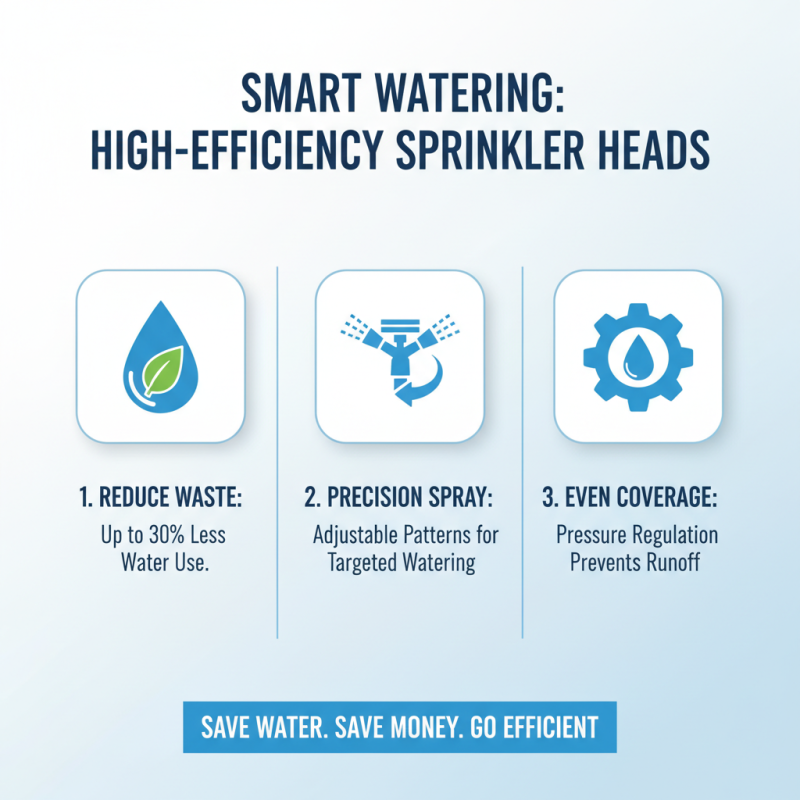
When it comes to water conservation, selecting high-efficiency sprinkler heads is crucial. These heads can significantly reduce water waste. Most feature adjustable spray patterns. This allows precise watering where it's needed. They also have pressure-regulating capabilities, ensuring that water flows evenly. This helps prevent overwatering in certain areas.
Many high-efficiency models employ advanced nozzle designs. These nozzles break up water into finer droplets. As a result, water penetrates the soil better and reduces runoff. Some heads even include filters to prevent clogs. It’s essential to keep these filters clean to maintain performance. Additionally, they often have higher durability than standard models, needing less frequent replacement.
Finding quality parts can be challenging. You might need to experiment with different options. Not all sprinkler heads perform equally in various conditions. Soil type, plant needs, and weather can influence their efficiency. Regular checks on your irrigation system can identify issues early on. Keep in mind, a well-planned setup pays off in the long run.
The Role of Irrigation Controllers in Reducing Water Waste
Irrigation controllers play a crucial role in water management. According to the Environmental Protection Agency (EPA), more than 50% of outdoor water use in urban areas is wasted. This inefficiency often stems from over-watering or poor timing. Automated irrigation systems can minimize this waste significantly.
Data from industry reports shows that well-programmed irrigation controllers can reduce water use by up to 30%. These devices adjust watering schedules based on weather conditions. They utilize sensors to measure soil moisture. This helps ensure that plants receive just the right amount of water. However, many homeowners still overlook these strategies.
The importance of maintaining irrigation systems cannot be overstated. Neglecting regular checks can lead to leaks. These leaks may go unnoticed until costly flooding occurs. Many homeowners mistakenly believe that once set, irrigation controllers require no attention. In reality, consistent monitoring is essential for optimal performance. Effective water management is a continuous process that benefits both landscapes and the environment.
10 Best Sprinkler Irrigation Parts for Efficient Water Management
| Part Name |
Description |
Efficiency Rating |
Water Savings (%) |
| Irrigation Controller |
Automates watering schedule based on weather conditions. |
5/5 |
30% |
| Drip Irrigation Kits |
Delivers water directly to the roots of plants. |
4.5/5 |
40% |
| Sprinkler Heads |
Distributes water evenly across the yard. |
4/5 |
20% |
| Soil Moisture Sensors |
Detects soil moisture levels to optimize watering. |
5/5 |
25% |
| Rain Sensors |
Shuts off irrigation when it rains. |
4.5/5 |
15% |
| Pressure Regulators |
Maintains consistent water pressure for the system. |
4/5 |
10% |
| Hoses and Connectors |
Essential for connecting different components. |
4/5 |
5% |
| Filter Screens |
Prevents debris from clogging the system. |
4.5/5 |
5% |
| Adjustable Spray Nozzles |
Allows users to customize the spray pattern. |
4/5 |
10% |
| Automation Timers |
Enables preset watering schedules. |
5/5 |
20% |
Essential Accessories for Sprinkler Systems and Their Impact on Efficiency
Sprinkler systems are vital for efficient water management in gardens and fields. Choosing the right accessories can significantly enhance their effectiveness. For instance, high-quality nozzles ensure even water distribution. This prevents some areas from becoming over-saturated while others dry out. Using adjustable spray patterns allows for targeted watering. This provides precise moisture to specific plants, minimizing waste.
Timers can dramatically change how water is applied. They automate the watering process, ensuring consistency. This reduces the chance of overwatering or underwatering. However, relying too heavily on timers can lead to negligence. It's crucial to check soil moisture levels regularly. Another essential component is pressure regulators. They maintain optimal water pressure for the system. Without them, uneven watering can occur, resulting in stressed plants.
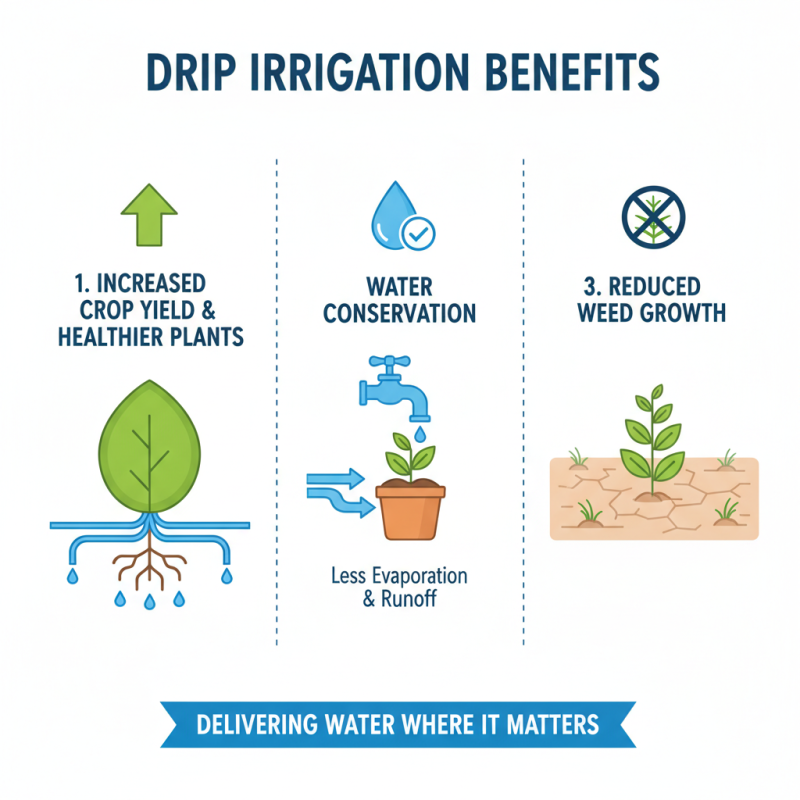
Drip irrigation components can also be beneficial. They provide focused watering directly to the roots. This method conserves water and enhances plant growth. Nevertheless, installation mistakes can limit effectiveness. Regular maintenance is necessary to prevent clogs. Every part of a sprinkler system plays a role in maximizing efficiency. Reflecting on these elements can lead to better water management strategies.