2026 Best Sprinkler Irrigation Controller for Efficient Farming?
In the realm of modern agriculture, efficiency is vital. The "Sprinkler Irrigation Controller" plays a crucial role in optimizing water usage. Dr. Emily Foster, an expert in agricultural technology, states, “Smart irrigation systems can reduce water waste and enhance crop productivity.”
Farmers increasingly recognize the need for precise control over irrigation. With climate challenges and resource scarcity, using advanced controllers is essential. These devices ensure that water is applied exactly when and where it's needed. Such precision not only conserves water but can also lead to stronger, healthier crops.
However, the rapid advancement in technology creates a learning curve. Many farmers may find it difficult to adapt to new systems. The challenge lies in balancing traditional practices with innovative solutions. Embracing change is critical, yet it requires time and resources. The best "Sprinkler Irrigation Controller" can significantly impact farming efficiency, but understanding its features is key to maximizing benefits.
Overview of Sprinkler Irrigation Controllers
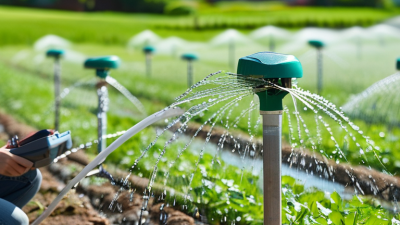
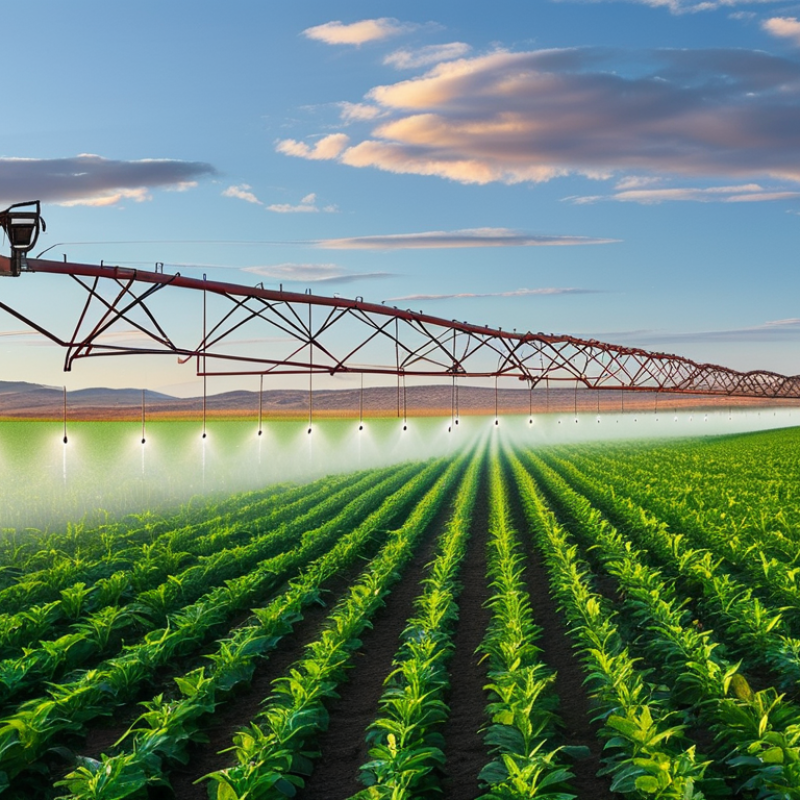
Sprinkler irrigation controllers play a vital role in modern farming. These devices manage water distribution with precision. They optimize water usage, ensuring plants receive adequate moisture. This is crucial in regions facing water scarcity. Irrigation systems need to adapt to varying climate conditions. A responsive controller will adjust watering schedules based on weather patterns. This capability helps conserve water while promoting healthy crop growth.
Farmers often overlook the importance of selecting the right controller. Many factors impact the effectiveness of a sprinkler system. This includes soil type, crop species, and local climate. Effective controllers offer features such as soil moisture sensors and weather data integration. These tools can enhance irrigation efficiency significantly. However, users sometimes struggle with usability. Complex interfaces can lead to mistakes in setup, resulting in poor water management.
A reliable controller should balance technology and ease of use. It must support farmers in making informed decisions without overwhelming them. While advanced features are beneficial, simplicity is key. Continuous monitoring of system performance is necessary for long-term success. Farmers might need to revisit their approach periodically. Improving irrigation practices is an ongoing journey, requiring patience and reflection.
2026 Best Sprinkler Irrigation Controller for Efficient Farming
Key Features to Look for in 2026 Sprinkler Controllers
When choosing a sprinkler irrigation controller for 2026, several key features are essential for efficient farming. Look for weather-based scheduling capabilities. This feature adjusts watering times based on real-time climate conditions. It can save water and reduce costs. Smart sensors that detect soil moisture levels are also vital. They help avoid overwatering, ensuring crops receive just the right amount of hydration.
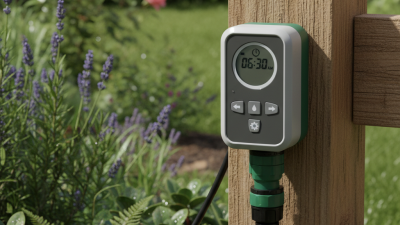
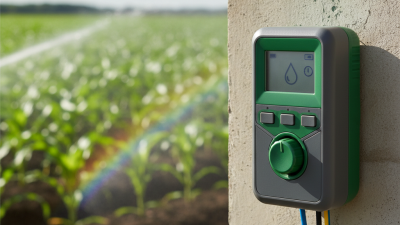
User-friendly interfaces are important as well. A clear display and intuitive controls can make operation seamless. Consider compatibility with mobile apps. Remote monitoring allows for quick adjustments on the go. However, not all systems integrate smoothly with smartphones. Conduct research on potential issues before buying. Reliable customer support adds value to your investment. Ensure the manufacturer provides accessible help for troubleshooting.
Another aspect to reflect upon is the data analytics offered by new controllers. Some models track water usage and provide insights into efficiency. This transparency can aid in optimizing irrigation practices. However, the accuracy of data can sometimes be inconsistent. Be cautious in relying solely on technology. Balancing tech with traditional methods may yield the best farming results.
Top Brands and Models in the Sprinkler Irrigation Market
In the modern agricultural landscape, efficient irrigation is critical.
Sprinkler irrigation controllers play a vital role in optimizing water usage. They allow farmers to manage water distribution based on the specific needs of their crops. This leads to better yields and reduced resource waste. Different models cater to various farming needs, from small gardens to expansive fields.
Several top brands lead the market, focusing on advanced technologies. These include features like weather sensors and soil moisture detection. Such innovations help in adjusting irrigation schedules for optimal performance. Yet, it's essential to remember that not every model will work for every farm. Each farm has unique characteristics, and soil types can vary significantly.
Farmers should research which system best suits their needs. This process often involves trial and error. Experimenting with various controllers may be necessary. It's crucial to remain adaptable. Sometimes, what seems like the best option may not yield expected results. Continuously monitoring performance can help in making informed adjustments.
Benefits of Using Smart Irrigation Controllers for Farming
Smart irrigation controllers are revolutionizing farming by enhancing water efficiency. According to a 2022 report from the Irrigation Association, adopting smart technology can reduce water usage by up to 30%. This is essential, especially in regions facing water scarcity. Enhanced monitoring allows for precise scheduling based on weather conditions and soil moisture levels. Farmers can save water and reduce operational costs through optimized irrigation practices.
The technology employs sensors that provide real-time data. This enables farmers to make informed decisions. For instance, a study from the University of California demonstrated that implementing smart controllers leads to a 20% increase in crop yield. However, farmers may initially struggle with the technology. Understanding how to integrate these systems can be a challenge. Education on best practices is crucial for successful adoption.
Investing in smart irrigation is not just about immediate savings. Long-term sustainability in agriculture is vital. Yet, some farmers may hesitate due to upfront costs and technology learning curves. Bridging this gap will require ongoing support and training. By addressing these concerns, farming can become more sustainable and efficient.
Tips for Choosing the Right Controller for Your Irrigation Needs
Choosing the right sprinkler irrigation controller can significantly enhance your farming efficiency. First, consider your specific crop needs. Different plants require varying amounts of water. An effective controller should be adaptable to these needs, allowing for adjustments based on weather and soil moisture levels.
Look for features that promote efficiency. Smart controllers can adjust watering schedules based on real-time weather data. This can save water and improve crop health. Manual settings may seem easier at first, but they can lead to overwatering or underwatering.
Additionally, evaluate the ease of use. A complicated interface might be overwhelming, especially for new farmers. A clear display and intuitive controls are essential. Don’t overlook connectivity options. Controllers with mobile app integration offer convenience and flexibility. Balancing technology with practical farming knowledge can refine your irrigation strategy.