2026 Best Sprinkler Heads for Efficient Watering Solutions?
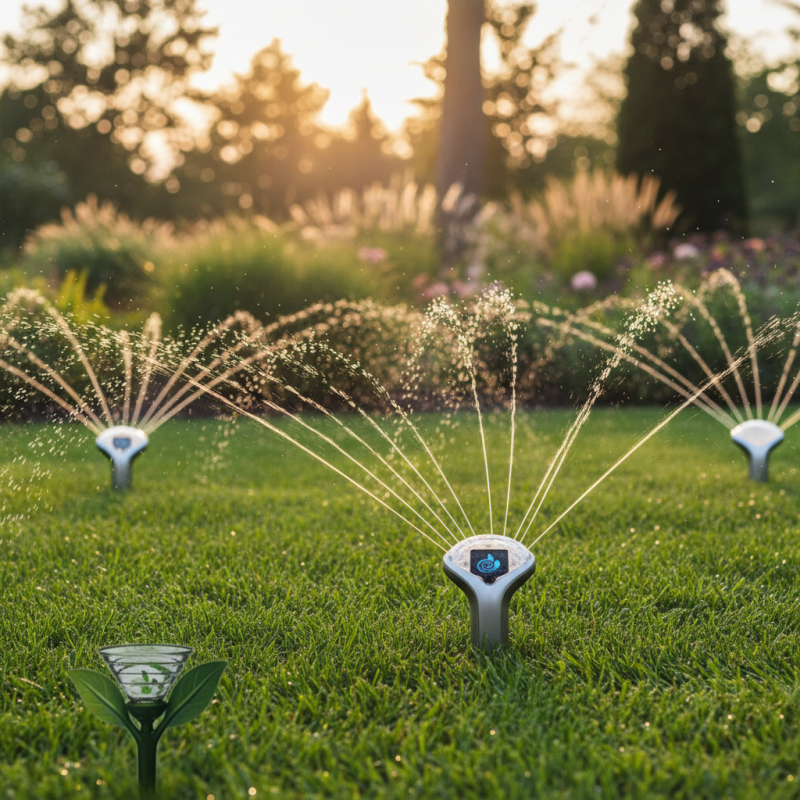
In the quest for efficient watering solutions, choosing the right sprinkler heads is crucial. These devices play a vital role in maintaining healthy lawns and gardens. The market is filled with various types, each designed for specific needs.
When selecting sprinkler heads, consider your unique requirements. Factors like the size of your yard and the type of plants will influence your choice. Some options provide wide coverage, while others focus on precision watering.
Moreover, it's essential to recognize that not all sprinkler heads are created equal. Some may save water effectively, but not deliver adequate coverage. Reflecting on these aspects can lead to a more sustainable watering approach. Ultimately, the right choice will enhance both plant growth and resource conservation.
Types of Sprinkler Heads for Different Watering Needs
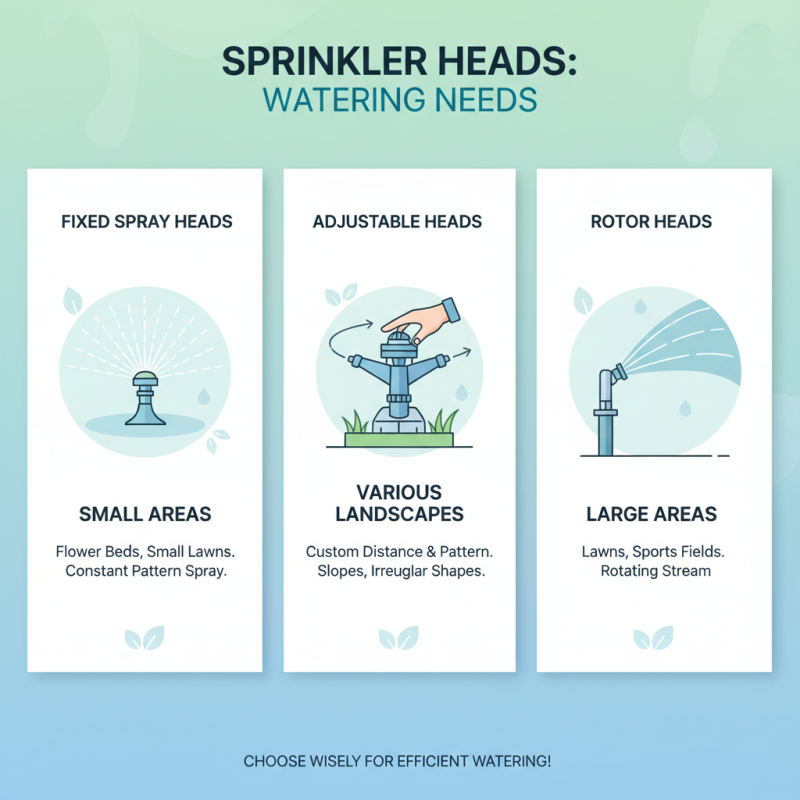
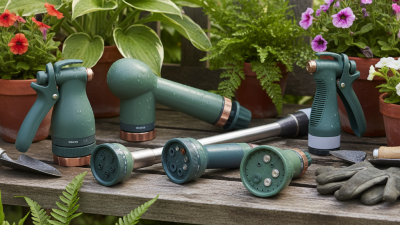
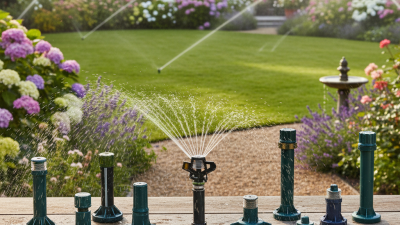
When selecting the right sprinkler head, consider your specific watering needs. There are several types to choose from. Fixed spray heads are ideal for small areas. They deliver a constant spray in a specific pattern, making them efficient for flower beds or small lawns. Adjustable heads allow you to customize the spray distance. They are great for varied landscape designs.
Rotary sprinkler heads are perfect for larger areas. They rotate to cover more ground, providing even watering. This type is beneficial for lawns that require consistent moisture. Drip irrigation is an effective option for gardens. It delivers water directly to the roots, minimizing waste. While drip systems can be more complex to install, their efficiency is undeniable. Be wary of oversaturation; too much water can harm your plants.
Remember that not every sprinkler head works for every garden. Some might need more frequent adjustments. Keep an eye on your watering schedule. Monitor the weather and adapt as needed. Over time, you may find that what worked initially may not meet your needs later. Observation and flexibility are key to achieving the best results.
Factors to Consider When Choosing Sprinkler Heads
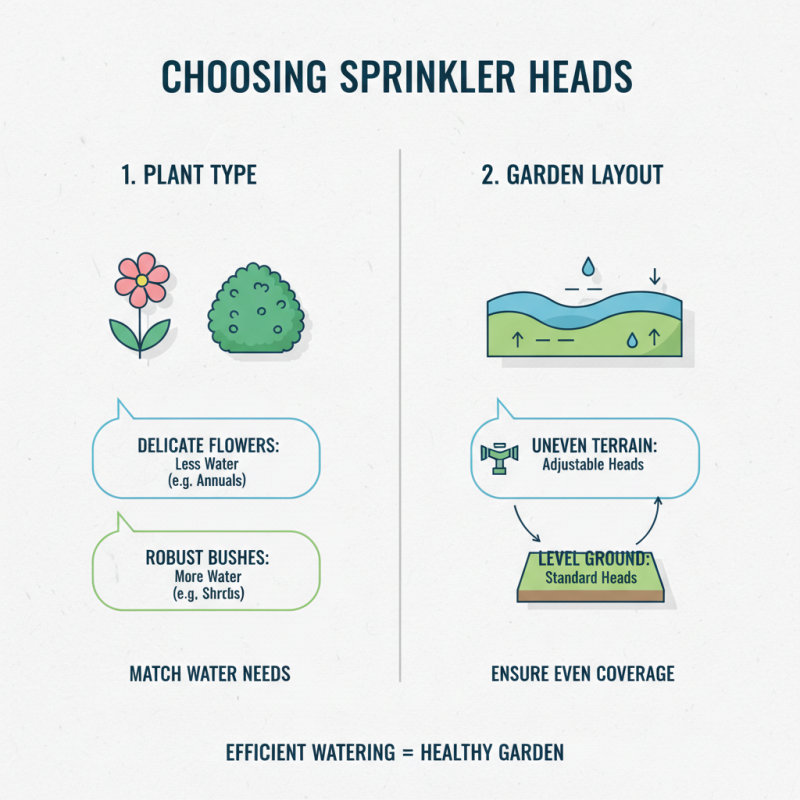
When choosing sprinkler heads, consider the type of plants. Different flowers and grasses have varied watering needs. For instance, delicate flowers require less water than robust bushes. Understanding your garden's requirements is essential for efficient watering. Additionally, the layout of your garden plays a significant role. If your garden has uneven terrain, adjustable sprinkler heads may be necessary. They can ensure all areas receive adequate water.
Another factor is the water pressure in your area. Low pressure can affect sprinkler performance. It could lead to dry spots in your garden. Testing your water pressure can highlight possible issues. Also, think about the size of your garden. Larger areas may need multiple sprinkler heads. Using the right number and type will ensure better coverage.
Don't forget maintenance. Clogged nozzles can result in uneven watering. Regular cleaning is crucial for efficiency. Look out for signs of wear and tear, too. Sometimes, the most efficient setup requires adjustments over time. Reflect on your watering routine, and be open to change. Efficiency may grow through trial and error.
Top 2026 Sprinkler Head Brands and Their Features
When selecting the best sprinkler heads for 2026, understanding the features of leading brands can guide homeowners. Recent industry reports indicate that approximately 30% of water used in residential areas is for landscaping. Therefore, efficient watering solutions are more crucial than ever. Some brands offer adjustable spray patterns, allowing users to customize water coverage. This adaptability can significantly reduce water waste.
Different models emphasize durability and ease of installation. For instance, many modern sprinkler heads are made from UV-resistant materials. This feature enhances longevity, ensuring they withstand harsh weather conditions. However, not all models provide consistent performance. Some might clog easily or require regular maintenance, which detracts from their efficiency.
Efficiency is further enhanced by smart irrigation technology, gaining traction in the industry. Systems that integrate weather data can modify watering schedules effectively. Reports show that homes utilizing smart irrigation technologies can save up to 50% on water usage. Yet, these systems can be complex and may not suit every user’s needs. Ultimately, the choice depends on individual landscaping goals and budget constraints.
2026 Best Sprinkler Heads for Efficient Watering Solutions
| Model |
Type |
Spray Radius (ft) |
Water Flow (GPM) |
Material |
Special Features |
| Model A |
Rotary |
15-30 |
1.5-2.5 |
Plastic |
Adjustable spray, low flow technology |
| Model B |
Fixed |
10-20 |
2.0-3.0 |
Brass |
Durable construction, rust-resistant |
| Model C |
Impact |
20-40 |
3.0-4.0 |
Metal |
High durability, adjustable arcs |
| Model D |
Pop-up |
15-25 |
2.5-3.5 |
PVC |
Convenient installation, adjustable heights |
| Model E |
Mist |
8-15 |
1.0-2.0 |
Plastic |
Ideal for seedlings, low water usage |
Installation Tips for Optimal Sprinkler Head Performance
When installing sprinkler heads, positioning is key. Place them evenly across the lawn. This ensures all areas receive adequate water. Pay attention to obstacles like trees and fences. They can block water flow, causing dry patches.
Consider the soil type. Sandy soils drain quickly, while clay holds water. Adjust your sprinkler's settings accordingly. Some heads spray a wide area. Others focus on specific spots. Mix and match for the best coverage.
Test your system after installation. Run the sprinklers for a few minutes. Observe how water is distributed. Look for areas that need more water. You may need to adjust the heads or timings. Remember, overwatering is a common mistake. It can lead to unwanted runoff. Always stay mindful of your lawn's needs. Happy watering!
Maintenance Practices for Long-Lasting Sprinkler Heads
Maintaining sprinkler heads is crucial for effective watering. Studies show that properly maintained systems can reduce water usage by 20% or more. When sprinkler heads clog, it leads to uneven watering. This issue can cause dry spots in your garden. Regular cleaning is important. You can clean them easily with a brush or water spray.
Inspecting the wiring and connections monthly is essential. Over time, these parts may wear out. A faulty connection can disrupt water flow. Investing time in these inspections saves money in the long run. The average lifetime of a sprinkler head is around 10 years, but neglect can shorten it.
Weather can also impact performance. In areas with heavy rainfall, adjusting the system is vital. Users often forget to make seasonal adjustments. The result? Overwatering and water waste. Using inexpensive rain gauges can help. Another overlooked practice is checking the spray pattern. Misalignment can lead to wasted resources and unhealthy plants.