Best Rotor Sprinkler for Efficient Irrigation Solutions?
In today's quest for efficient irrigation solutions, the choice of a rotor sprinkler is crucial. These devices excel at providing uniform water coverage, making them a popular choice for homeowners and landscapers alike. However, not all rotor sprinklers are created equal. Each model comes with its unique features, and selecting the best one requires careful consideration.
Rotor sprinklers are designed to deliver water in a rotating pattern, which effectively manages water distribution. This technology reduces waste and helps conserve resources. Users must evaluate factors such as spray radius and pressure requirements. These specifics can significantly impact overall performance. It’s essential to research and identify models that align with your lawn or garden's specific needs.
Despite their advantages, rotor sprinklers can have downsides. Experience has shown that installation may pose challenges. Regular maintenance is necessary to ensure optimal functionality. Users often overlook these aspects, leading to inefficiency. Therefore, understanding both the benefits and limitations of rotor sprinklers is vital for effective irrigation solutions.
Factors to Consider When Choosing a Rotor Sprinkler
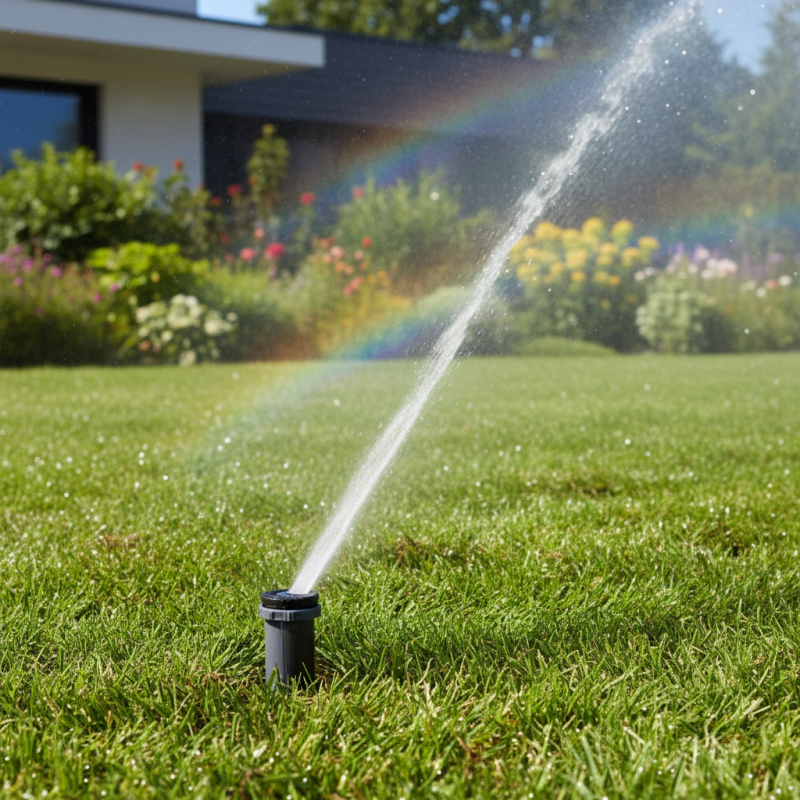
Choosing the right rotor sprinkler can significantly impact irrigation efficiency. Various factors play a crucial role in this decision. The type of sprinkler should match your landscape's size and shape. Data shows that properly spaced rotor sprinklers can cover up to 20% more area than stationary ones. This increase can lead to better moisture retention in the soil.
Water pressure is another vital factor. Rotor sprinklers typically require a pressure range of 30-50 psi to operate effectively. Inadequate pressure may result in uneven watering, wasting both water and resources. It's essential to measure your water pressure before selecting a sprinkler. A professional irrigation assessment can clarify beneficial adjustments.
Tips: Regular maintenance checks are advisable. Clean nozzles to prevent clogging and ensure optimal performance. Seasonal adjustments can also improve efficiency. Consider installing rain sensors to stop watering during wet weather. Reflecting on your landscape’s unique needs fosters better long-term results.
Best Rotor Sprinkler for Efficient Irrigation Solutions
| Model |
Spray Radius (ft) |
Flow Rate (GPM) |
Coverage Area (sq ft) |
Adjustability |
Price ($) |
| Model A |
30 |
4.5 |
700 |
Yes |
75 |
| Model B |
35 |
5.0 |
800 |
Yes |
85 |
| Model C |
40 |
6.0 |
900 |
Yes |
95 |
| Model D |
25 |
3.5 |
600 |
Yes |
65 |
| Model E |
30 |
4.2 |
700 |
No |
70 |
Types of Rotor Sprinklers and Their Applications
Rotor sprinklers are essential tools in efficient irrigation systems. They rotate streams of water to cover large areas, making them ideal for residential and commercial landscapes. Different types of rotor sprinklers serve varied applications.
Pressure-regulated rotors, for instance, maintain consistent water distribution despite pressure fluctuations, ensuring optimal coverage and reducing water waste. According to industry reports, using pressure-regulated systems can lead to water savings of up to 30%.
Another type, the adjustable rotor, allows users to modify the spray pattern and radius. This flexibility is crucial for adapting to the specific layout of a garden or lawn. Research highlights that adjustable rotors can increase efficiency by 20% when used in irregularly shaped areas. However, users must still monitor the adjustment settings to ensure accuracy and prevent overspray, which can lead to water runoff and wasted resources.
Finally, the hybrid rotor combines features from both traditional and advanced rotors. This hybrid design aims to cater to diverse irrigation needs. While it may seem like the perfect solution, these systems can be complex to maintain. Users may need to invest time in understanding the mechanics, which can sometimes create confusion. Opting for the right rotor sprinkler requires careful consideration of the landscape and specific watering needs. Balancing efficiency and practicality is key.
Key Features of Efficient Rotor Sprinklers
When considering efficient irrigation solutions, rotor sprinklers are a top choice. They cover large areas with uniform distribution. According to the Irrigation Association, these sprinklers can achieve up to 90% efficiency in water application. This is crucial in regions facing water scarcity.
Key features of rotor sprinklers include adjustable arc settings. This allows for customized coverage based on the specific layout of the landscape. An industry report indicates that using these adjustable settings can reduce water waste by 20%. Additionally, many modern rotor sprinklers feature a pressure regulation system. This ensures consistent performance and helps maintain an ideal pressure for optimal water distribution.
The longevity of rotor sprinklers is another important aspect. Many are designed to withstand harsh weather conditions. A study by the American Society of Agricultural and Biological Engineers found that durable sprinklers can last over a decade with proper maintenance. However, some may overlook the necessity of regular maintenance. This can lead to reduced efficiency and increased costs over time. Proper upkeep can help in identifying early signs of wear and address issues before they escalate.
Best Rotor Sprinkler for Efficient Irrigation Solutions
This chart illustrates essential features of rotor sprinklers that contribute to efficient irrigation solutions, including coverage area, water efficiency percentage, operating pressure, and spray distance.
Maintenance Tips for Optimal Rotor Sprinkler Performance
Maintaining rotor sprinklers is crucial for efficient irrigation. Regular checks can prevent common issues. According to a report from the Irrigation Association, 25% of irrigation systems are inefficient due to lack of maintenance. Neglecting small repairs can lead to larger problems.
Inspecting nozzles, filters, and seals should be routine. Blocked nozzles can reduce water distribution uniformity significantly. Filters may require cleaning every month during peak usage. Research indicates that clean filters can enhance system efficiency by up to 30%.
Monitoring rotor performance is essential. A pressure gauge can reveal if the system is operating at optimal levels. Systems that operate below recommended pressure can waste water and energy. Inadequate watering often results from ignoring these details. Regular adjustments and timely repairs can significantly improve performance.
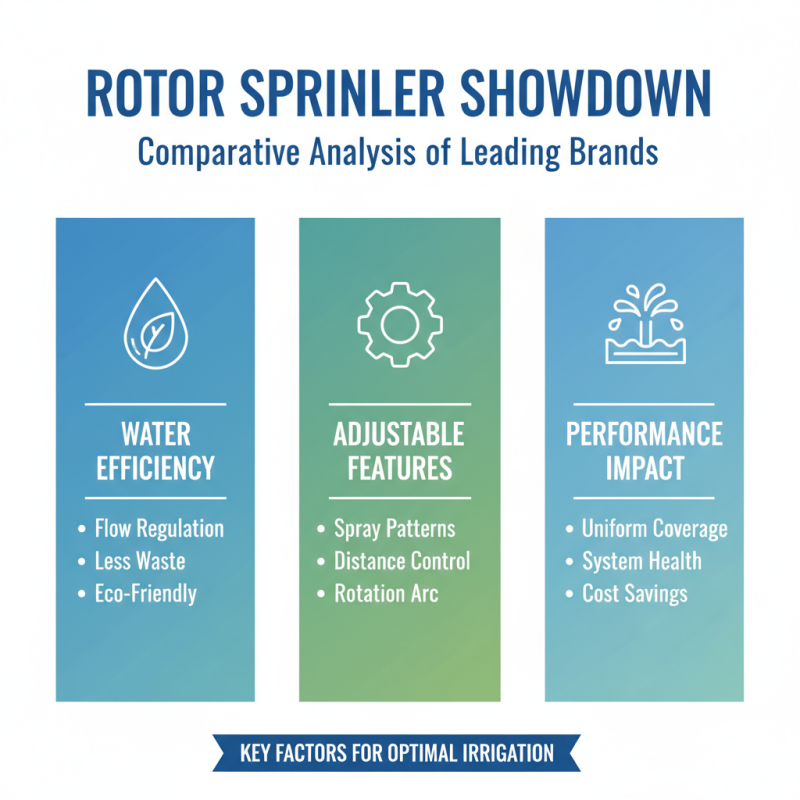
Comparative Analysis of Leading Rotor Sprinkler Brands
When evaluating rotor sprinklers, several factors come into play. Efficiency is crucial, especially in a world where water conservation is vital. Many brands offer various features, such as adjustable spray patterns and distance settings. These features can significantly impact the performance of your irrigation system.
In our comparison of leading brands, you'll notice differences in construction quality. Some models incorporate durable materials, while others may not stand the test of time. This can affect both the longevity and reliability of your sprinkler system. Reliable assessments emphasize the importance of user reviews, which provide insights from real-life experiences. Don't underestimate the power of customer feedback in identifying the best models for your needs.
Tips: Consider your landscape's size and shape before choosing a rotor sprinkler. This influences efficiency and coverage. Look for models that allow you to customize settings for varied plant types. Moreover, regular maintenance is essential. Simple tasks, like cleaning filters and adjusting heads, can enhance performance and ensure longevity. Always observe your system in action. It may reveal areas that need improvement or adjustment.