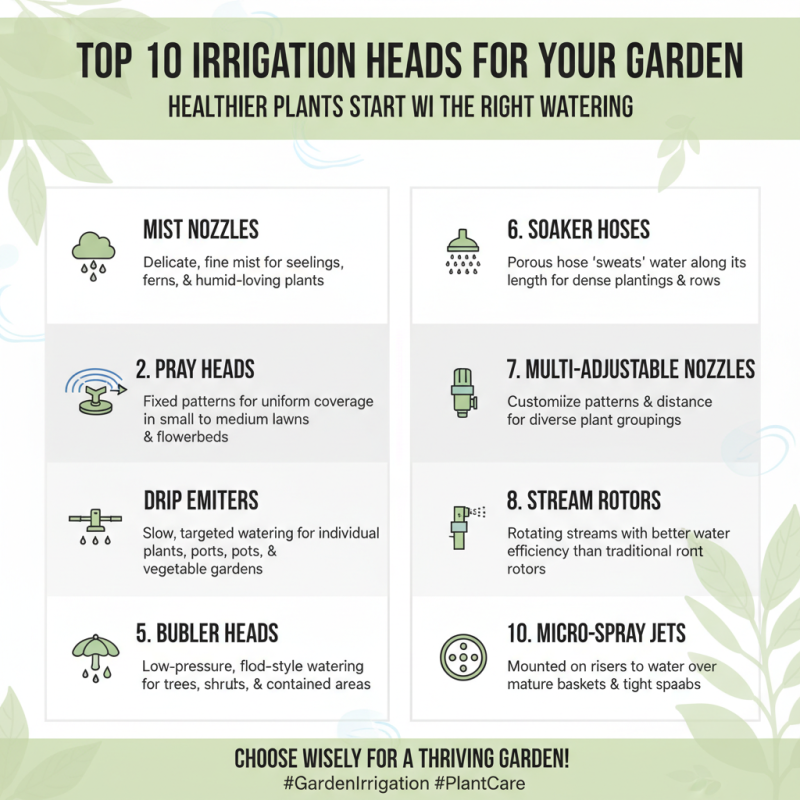
Top 10 Best Irrigation Heads for Efficient Watering Solutions?
Efficient watering solutions are crucial in today's agriculture. As farming practices evolve, "Irrigation Heads" are becoming a pivotal tool. Experts emphasize their importance. John Smith, a leading expert in irrigation systems, once stated, "The right irrigation head can transform water usage efficiency."
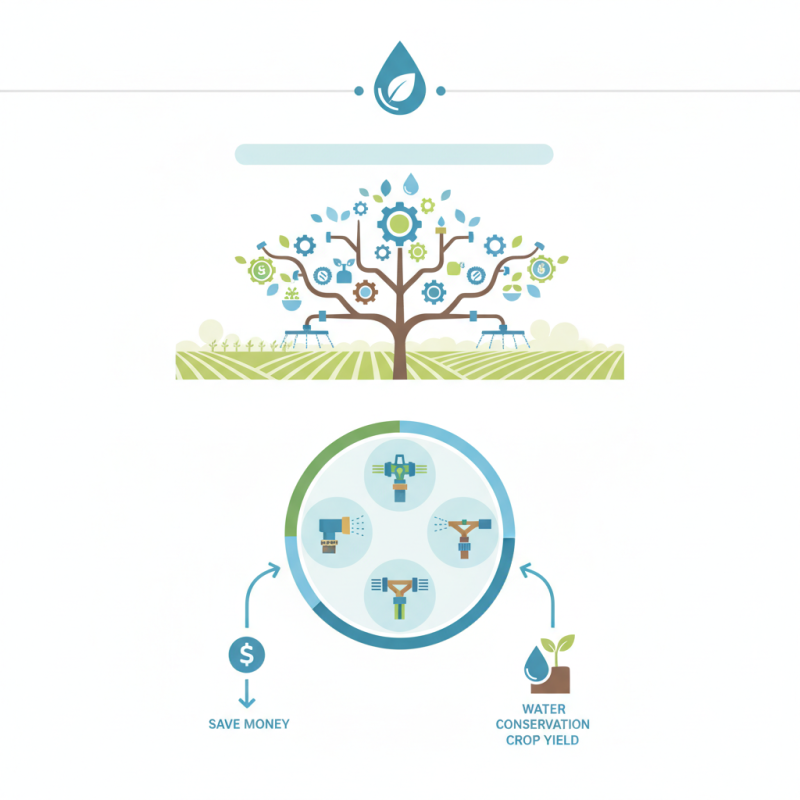
Choosing the best irrigation heads can significantly impact crop yield and water conservation. Many farmers still overlook this essential element, leading to wasteful practices. The right equipment can save both water and money.
Innovation in this field is ongoing. However, not all options are perfect. Some irrigation heads may not fit every farm's unique needs. Continuous evaluation is necessary for optimal results. Understanding the best options available will lead to more efficient and sustainable agriculture.
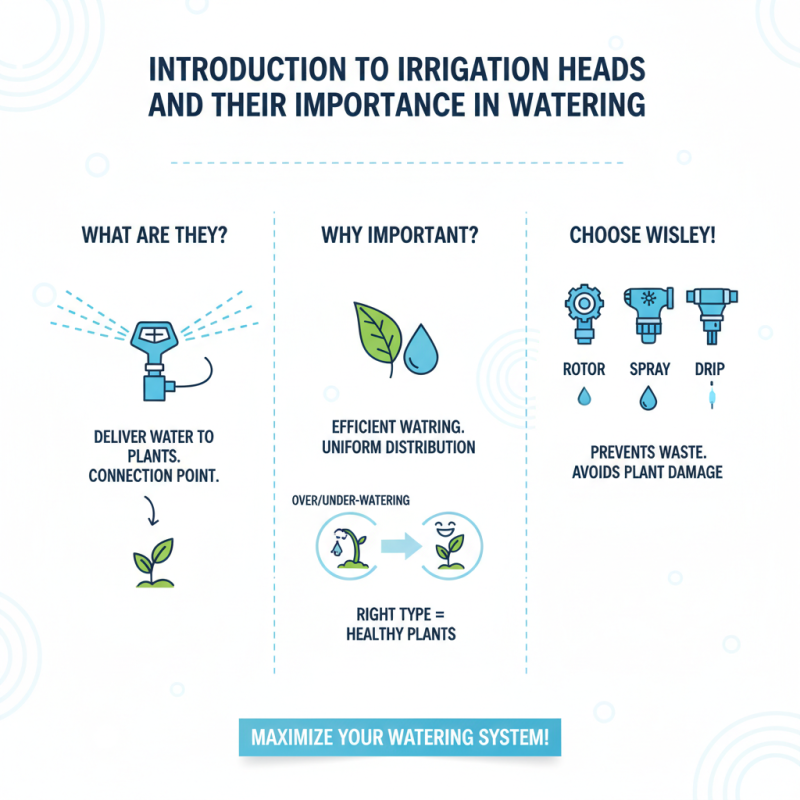
Introduction to Irrigation Heads and Their Importance in Watering
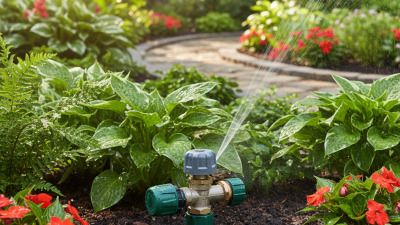
Irrigation heads play a crucial role in efficient watering solutions. They are the connection point for delivering water to plants. Without the right irrigation head, even the best system can fall short. Choosing the correct type significantly affects water distribution. Over or under-watering can lead to wasted resources or damaged plants.
Different types of irrigation heads serve unique needs. Some offer a fine mist, while others provide a direct stream. Understanding the specific requirements of your garden is essential. Dense foliage may require a different approach than open spaces. It's not just about efficiency; it’s about the health of your plants. If the distribution is uneven, some areas might thrive, while others suffer.
It's also important to consider maintenance. Irrigation heads can become clogged or damaged over time. Regular inspections are necessary. Skipping this step can lead to serious problems down the line. Sometimes, the simplest designs are the most effective. However, they may not work in every situation. Trial and error can sometimes yield the best solutions. Remember, every garden is unique.
Types of Irrigation Heads: A Comprehensive Overview
Irrigation heads play a crucial role in efficient watering solutions. Various types can cater to different gardening needs. Sprinkler heads, for example, provide coverage over large areas. They create a fine mist, promoting even distribution of water. However, they may lead to over-saturation if not monitored properly. Adjusting the water output can help mitigate this issue.
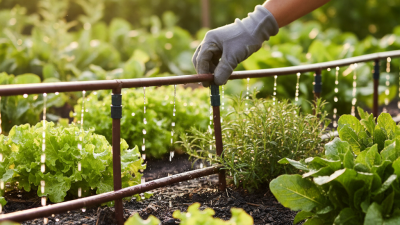
Drip irrigation heads focus on precision. They deliver water directly to the roots. This reduces water waste but requires careful installation. Misalignment could result in dry patches, which can be frustrating. Selecting the right layout is important for success. Some gardeners find it challenging to determine which type suits their landscape best.
Impact sprinkler heads are another option. They rotate, covering a circular area. These can be effective for lawns but may not suit delicate plants. There’s a risk of water splashing on leaves, which might promote disease. Fine-tuning the distance and pattern is essential. In the end, exploring different types and their benefits can lead to better choices.
Key Features to Consider When Choosing Irrigation Heads
When choosing irrigation heads, several key features can significantly impact efficiency. Material durability is essential. For example, heads made of high-quality plastic or metals can withstand exposure to UV rays and water, prolonging their lifespan. Reports indicate that durable materials can increase performance by up to 30%. Ease of installation also matters. Some heads offer quick-connect systems, making setup simpler and faster, ideal for those new to irrigation systems.
Another critical aspect is the spray pattern. Different plants require varying coverage areas. A head that provides adjustable angles can be vital. Studies show that adjustable heads can reduce water waste by 20% in large gardens. Additionally, consider flow rate and pressure compatibility. Not all homes have the same water pressure. A mismatch can lead to inefficient watering.
Finally, maintenance is often overlooked. Regular cleaning can enhance efficiency. Research suggests that neglected irrigation systems can have up to 50% reduced output. Therefore, choosing heads designed for easy maintenance could save time and resources in the long run. An informed choice can lead to significant water savings and healthier plants, but it requires diligence and consideration.
Top 10 Best Irrigation Heads for Efficient Watering Solutions
This bar chart displays the water efficiency in liters per hour of the top 10 irrigation heads. Choosing an irrigation head with high efficiency is crucial for effective watering solutions.
Top 10 Best Irrigation Heads for Various Garden Needs
When selecting the best irrigation heads for your garden, consider your specific needs. Different plants require various watering methods. For example, some plants thrive on a gentle mist, while others prefer a strong jet of water. Understanding the type of irrigation head necessary for your garden can lead to healthier growth.
Drip irrigation heads work well for vegetable gardens. They provide direct water to the roots, minimizing waste. Soaker hoses can also be effective for flower beds. However, people often overlook their maintenance. Clogged heads and hoses can lead to inconsistent watering. Regular checks can save time and promote plant health.
Rotary sprayers cover larger areas, ideal for lawns. They rotate to distribute water evenly. Yet, a common mistake is placing them too close to walkways, leading to puddles and waste. Consider the water pressure in your area. High pressure can cause misting, while low pressure may result in uneven coverage. A thoughtful approach to choosing irrigation heads can enhance both efficiency and plant vitality.
Maintenance and Care Tips for Efficient Irrigation Head Functioning
Maintaining irrigation heads ensures efficient water distribution. Poor maintenance can lead to uneven watering. A study showed that poorly maintained systems can waste up to 50% of water. Regular checks are essential. Look for clogged nozzles and leaks. A small crack can create a larger issue over time.
After heavy rainfall, inspect your irrigation system. Soil and debris may block your irrigation heads. Adjust the height of the heads, too. They should be level with the surrounding soil. A head sitting too low can cause pooling, while one too high can dry out adjacent plants. Consider also that many homeowners overlook adjusting their timers seasonally.
Cleaning irrigation heads improves performance. Use a small brush or compressed air to clear debris. Some experts recommend doing this biannually. If you notice inconsistent water distribution, it’s time for a deeper inspection. Keep an eye on your water bill, as higher usage may suggest problems. Evaluate and adjust your irrigation strategy often. Effective maintenance leads to better plant growth and less water waste.
Top 10 Best Irrigation Heads for Efficient Watering Solutions
| Irrigation Head Type |
Spray Radius (ft) |
Flow Rate (GPM) |
Adjustable? |
Best For |
Maintenance Tips |
| Pop-Up Sprinkler |
15 |
2.0 |
Yes |
Lawns |
Clean filters regularly |
| Drip Emitter |
N/A |
0.5 |
Yes |
Vegetable Gardens |
Check for clogs |
| Impact Sprinkler |
20 |
3.5 |
Yes |
Large Areas |
Lubricate moving parts |
| Rotary Sprinkler |
25 |
2.5 |
Yes |
Flower Beds |
Adjust spray pattern for coverage |
| Soaker Hose |
N/A |
1.0 |
No |
Row Crops |
Check for leaks regularly |
| Misting System |
N/A |
Varies |
Yes |
Greenhouses |
Clean nozzles frequently |
| Spray Head |
18 |
3.0 |
Yes |
Small Yards |
Adjust height as needed |
| Bubblers |
N/A |
2.0 |
No |
Tree Roots |
Keep surrounding area clear |
| Micro Sprinklers |
10 |
1.5 |
Yes |
Container Plants |
Monitor flow rate |
| Subsurface Drip |
N/A |
Varies |
Yes |
Lawns and Gardens |
Flush system regularly |