Top 10 Benefits of Using a Single Station Irrigation Controller?
In modern agriculture, efficient water management is crucial. Many farmers turn to advanced technologies for irrigation solutions. One such innovative tool is the Single-Station Irrigation Controller. This device offers several advantages that enhance overall irrigation practices.
By using a Single-Station Irrigation Controller, users can save water and reduce costs. It allows for precise scheduling based on specific plant needs. This targeted approach minimizes wasteful runoff. However, some may find the setup complicated. Proper configuration is essential for optimal results. A lack of understanding can lead to inefficiencies.
Despite its challenges, the benefits of a Single-Station Irrigation Controller are clear. It promotes healthier plants while conserving water. With ongoing advancements, this technology will likely play a significant role in sustainable farming. Embracing it could lead farmers towards more responsible water usage.
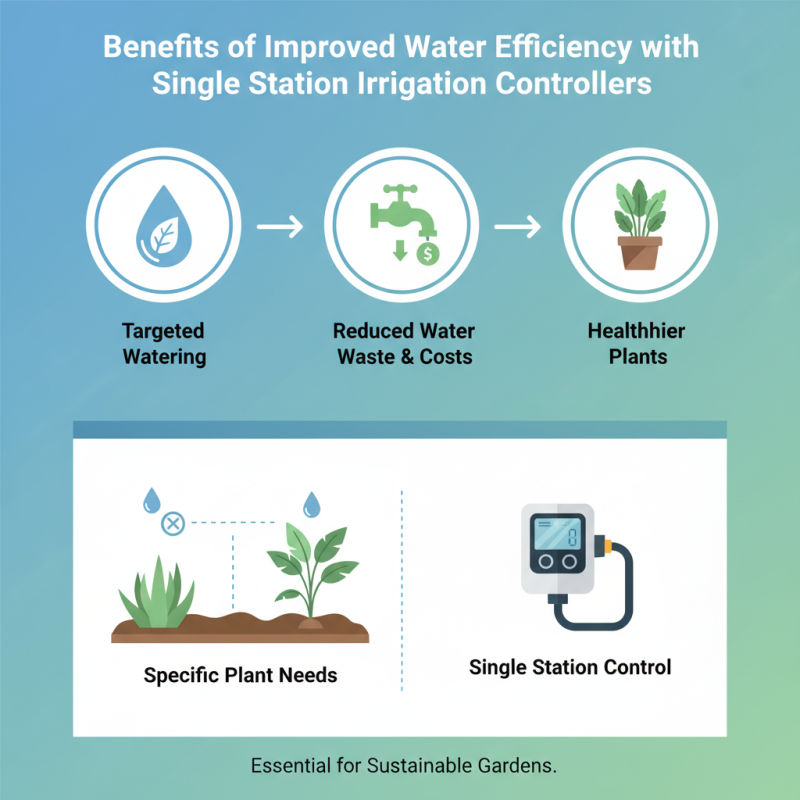
Benefits of Improved Water Efficiency with Single Station Irrigation Controllers
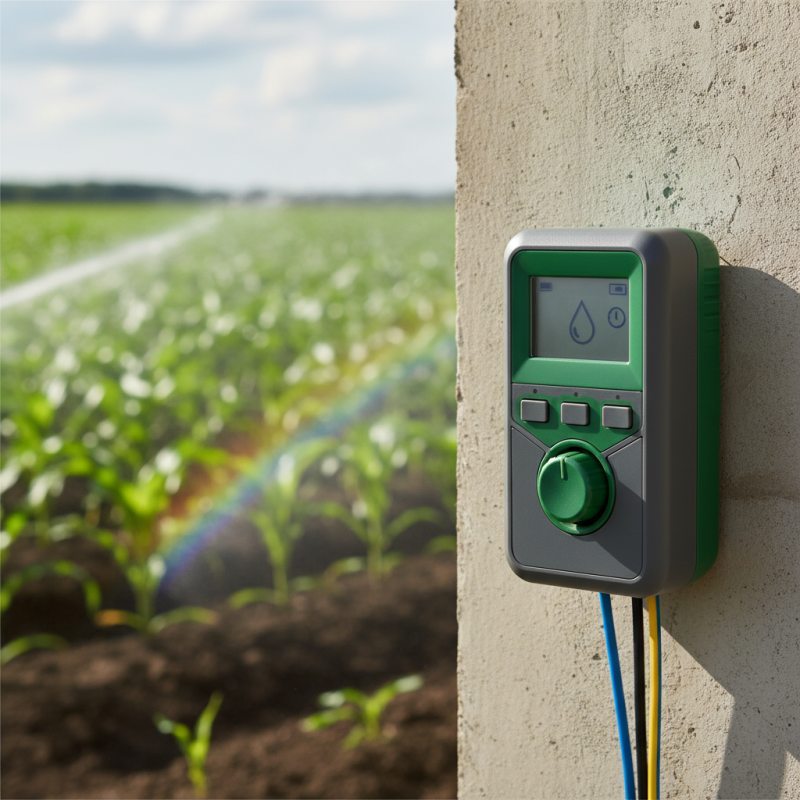
Single station irrigation controllers are becoming essential for improving water efficiency in gardens and landscapes. These devices allow users to manage watering schedules in specific areas, targeting the unique needs of different plants. For instance, some plants require more water than others. A single station setup ensures that these plants receive adequate moisture without overwatering adjacent areas.
Water efficiency translates to significant savings over time. Homeowners often notice reduced water bills. With a single station controller, the system adapts to local weather conditions. This means watering occurs during optimal times, minimizing evaporation losses. However, it requires careful consideration of plant types and local climate variations. Neglecting these aspects can lead to under- or over-watering, which harms plant health.
Installing a single station controller can seem daunting for new users. It often requires initial setup and adjustments to get it right. Yet, the effort is worthwhile. These controllers help in conserving water, promoting healthier plants. Over time, users develop a better understanding of their garden's needs. The flexibility of the system encourages experimentation, leading to improved gardening results. As users gain experience, they can refine their watering strategies, enhancing both efficiency and plant vitality.
Cost Savings Over Time: Reducing Water Bills through Smart Irrigation
Efficient water usage has become crucial for homeowners. A single station irrigation controller offers a smart solution. This technology helps reduce water bills significantly. According to the Environmental Protection Agency, smart irrigation systems can save up to 50% of water usage. This translates to substantial financial benefits over time. It’s not just about conservation; it’s about cost-effectiveness.
Monitoring your irrigation system can lead to even more savings. Regularly check for leaks or faulty sprinklers. A small issue can lead to wasted water and inflated bills. Additionally, adjusting your watering schedule based on seasonal changes can prevent unnecessary costs. The latest reports suggest that homes using smart controllers averaged $200 less annually on water bills.
Tips: Always set your irrigation timer according to local weather conditions. Another tip: consider installing moisture sensors. They can detect soil wetness and adjust watering automatically, which promotes healthier plants while saving water. Reflect on these practices to enhance your garden's sustainability and your financial health.
Balancing cost savings and plant health requires continuous evaluation, but the rewards make it worth the effort.
Enhanced Plant Health: Optimizing Water Supply for Varied Flora Needs
The efficient management of water resources plays a crucial role in enhancing plant health. A single station irrigation controller optimizes water supply tailored to specific plant needs. This approach ensures that diverse flora receives the right amount of moisture. According to the EPA, overwatering can waste up to 30% of water used in irrigation, leading to nutrient leaching and root rot. Therefore, precise irrigation is essential for healthy plant growth.
The ability of a single station controller to adjust watering schedules enhances plant vitality. For instance, Ceres Solutions highlights that plants require different moisture levels based on their species, growth stage, and environmental conditions. This variability means a one-size-fits-all approach often fails. A study by the University of California reveals that inconsistent watering can significantly stress plants, leading to decreased yield and increased susceptibility to pests and diseases.
Moreover, using a single station controller fosters more sustainable practices. Efficiencies in water use can reduce runoff and minimize environmental impact. However, users must periodically assess their system settings. If adjustments are not made seasonally, plants may suffer. Continuous reflection on water needs and system performance is vital for nurturing a flourishing garden or landscape.
User-Friendly Technology: Simplifying Irrigation Management for Homeowners
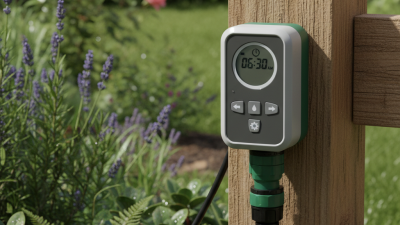
Managing irrigation can feel overwhelming for many homeowners. A single station irrigation controller simplifies this process significantly. It allows users to manage their watering needs with ease. This technology eliminates the need for complex setup and advanced understanding of irrigation systems. It optimizes the water usage based on the specific needs of different areas in your garden.
User-friendly interfaces are at the heart of these controllers. Many feature intuitive touch screens or smartphone compatibility, allowing homeowners to adjust settings on the go. Users can schedule watering times, adjust durations, and even pause irrigation with a few taps. This means less guesswork and more efficient watering. However, some may struggle with initial setup, as not all options are straightforward. A bit of trial and error might be necessary to find the best schedule for your plants.
This system is not just about convenience; it promotes better resource management. Homeowners can conserve water while ensuring their plants thrive. In a time when water conservation is crucial, this technology becomes a valuable tool. Even with its advanced features, it's essential for users to educate themselves on plant needs. Understanding how much water your garden truly requires can improve outcomes significantly.
Top 10 Benefits of Using a Single Station Irrigation Controller
| Benefit |
Description |
| User-Friendly Interface |
Easy to navigate and set up, making it accessible for all homeowners. |
| Water Conservation |
Optimizes water usage, significantly reducing waste and utility costs. |
| Customizable Scheduling |
Allows users to set specific watering times and durations based on plant needs. |
| Remote Access |
Many systems offer mobile or web control for easy management from anywhere. |
| Rain Delay Feature |
Automatically adjusts schedules in response to rainfall, preventing overwatering. |
| Integration with Weather Data |
Utilizes local weather data to adjust irrigation needs in real-time. |
| Improved Plant Health |
Ensures plants receive the right amount of water, promoting growth and vitality. |
| Cost-Effective |
Reduces water bills and minimizes maintenance costs for irrigation systems. |
| Maintenance Alerts |
Notifies users of issues, such as clogs or system failures, to ensure optimal performance. |
| User Training and Support |
Many providers offer training resources and customer support to assist users. |
Environmental Impact: Lowering Water Waste in Residential Landscaping Systems
Water scarcity is a growing concern in many regions. Using a single station irrigation controller can significantly lower water waste in residential landscaping systems. According to the U.S. Environmental Protection Agency, nearly 50% of residential water is used for outdoor irrigation. Many homeowners overwater their lawns, leading to inefficiency and higher bills.
A single station irrigation controller ensures precise watering schedules. This technology can adapt watering times based on weather conditions. For instance, if rain is forecasted, the system may skip the next watering cycle. Studies suggest that installing such a system can lead to water savings of up to 40%. This is critical as over 30 states in the U.S. face water shortages.
Yet, not all installations are perfect. Improper setup or malfunctioning sensors can hinder efficiency. Some homeowners may neglect maintenance, leading to wasted water. Regularly inspecting the system is vital. Without diligence, even the best technology can fall short of its potential in conserving resources. Adopting a single station irrigation controller is a step forward, but ongoing care is essential for true environmental impact.
Top 10 Benefits of Using a Single Station Irrigation Controller
This chart displays the top 10 benefits of using a single station irrigation controller, with scores representing the overall impact of each benefit on residential landscaping systems. The emphasis is on water efficiency and environmental benefits.