Top Water Controller Solutions for Efficient Water Management?
Effective water management has become increasingly crucial as global water scarcity affects more than 2 billion people. Water controllers are essential tools in optimizing water usage. A recent report by the Global Water Partnership highlights that improving water efficiency can reduce consumption by 25% in agriculture alone, a sector responsible for 70% of freshwater use worldwide.
With advancements in technology, modern water controllers utilize sensors and data analytics to monitor and manage water resources. The International Water Management Institute emphasizes that these solutions can help organizations achieve sustainable water use while minimizing waste. Enhanced water controller systems could save up to 40% of water currently used in irrigation, directly impacting crop yields and resource conservation.
Despite these advancements, challenges remain. Many farms still rely on outdated systems that do not leverage the power of contemporary water controllers. Transitioning to smart technologies is crucial for higher efficiency. Stakeholders must address the gap between technology availability and implementation practices to fully realize the benefits of water controller solutions.
Top Water Controller Solutions for Efficient Water Management
Efficient water management is crucial in today's world. Many regions face water scarcity. Therefore, effective solutions are necessary. Various technologies emerge to enhance water control systems, helping conserve resources.
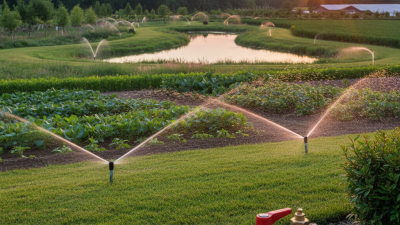
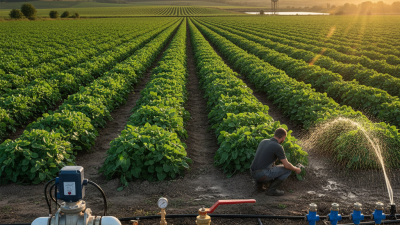
Smart irrigation systems represent a significant innovation. These systems use sensors to measure soil moisture. They adjust watering schedules automatically. In this way, they save water and promote healthy plant growth. Some setups even feature weather-based controls. However, initial costs can deter some users. A balance between upfront investment and long-term savings is vital.
Another aspect is data analytics. Advanced software can monitor water usage patterns. This data empowers users to make informed decisions. It also highlights leaks and inefficiencies. Challenges remain in integrating new tech with existing systems. Despite this, the potential benefits for communities are inspiring. Adopting smarter solutions leads to better resource management.
Top Water Controller Solutions for Efficient Water Management
This chart illustrates the efficiency ratings of various water controller solutions based on real-world data. Each bar represents the average efficiency rating measured in percentage, indicating how effectively each solution manages water resources.
Overview of Water Management Challenges in Agriculture and Urban Settings
Efficient water management is critical in both agriculture and urban areas.
Agriculture accounts for nearly 70% of global freshwater use, highlighting the need for better practices.
Urban settings face challenges too, with rapid population growth leading to increased water demand.
According to the UN, by 2050, about 68% of the world's population will live in cities, straining existing water resources.
Farmers often struggle with inefficient irrigation systems, wasting precious water.
A study from the World Bank indicates that improving irrigation efficiency could save up to 50% of water used in agriculture.
Urban regions also experience water loss due to outdated infrastructure, with estimates suggesting that up to 30% of municipal water is lost through leaks.
Tip: Implementing smart irrigation technologies can help.
Sensors that monitor soil moisture levels enable farmers to irrigate only when necessary.
In cities, regular infrastructure audits can identify leaks early, reducing water waste.
Water management techniques must evolve.
Traditional practices often overlook climate variations, necessitating a more adaptive approach.
Urban planners and agricultural experts must collaborate for sustainable solutions.
Integrated management systems can provide valuable insights into patterns, yet many still operate in silos, limiting progress.
Key Metrics: Water Usage and Efficiency Gains from Controller Systems
Water management is critical in various sectors, from agriculture to urban development. Effective controller systems can significantly improve overall water usage. According to the U.S. Environmental Protection Agency, around 50% of water used in urban areas is wasted due to inefficiencies. Smart controller solutions promise to tackle this issue by optimizing water distribution.
These systems utilize real-time data to adjust flow rates, monitor usage, and detect leaks. A study by the Water Research Foundation indicated that implementing advanced water controllers could lead to a 20-30% reduction in consumption. This translates into substantial savings, with some municipalities reporting annual cost reductions exceeding $1 million. Such metrics showcase the potential for efficiency gains in water management.
Yet, the implementation of these technologies is not without challenges. Many organizations face high upfront costs and integration issues with existing systems. Training personnel can also be a hurdle. Despite these obstacles, the long-term benefits of increased efficiency and sustainability are undeniable. Stakeholders must consider both the complexity of installations and the ongoing need for maintenance and updates to ensure optimal performance.
Leading Technologies in Smart Water Controllers: IoT and Automation
Smart water controllers are transforming water management with innovative technologies. The integration of IoT and automation allows for precise monitoring of water usage. According to a recent industry report, smart irrigation systems can reduce water usage by 30-50%, resulting in significant cost savings. Efficient water management is becoming more critical as drought conditions affect various regions.
These systems leverage sensors and data analytics to optimize irrigation schedules based on real-time weather conditions. Some studies indicate that deploying IoT in water management can lead to a 20% reduction in operational costs. However, challenges remain in standardizing communication protocols among devices. Inconsistent data integration can hinder the full potential of these technologies.
Sustainability often takes precedence in water management discussions. The push for automated solutions can sometimes overlook human factors. Training users to interpret data effectively is essential. More focus on end-user education can bridge gaps in technology adoption. Balancing automation with education will enhance the benefits of smart water controllers in communities worldwide.
Case Studies: Successful Implementations of Water Management Solutions
Efficient water management is crucial for sustainable development. Various case studies showcase successful implementations across different sectors. Cities that adopted smart irrigation systems saw a significant reduction in water wastage. For instance, a small town used remote sensors to monitor soil moisture. This adjustment led to a 30% drop in water usage for agriculture.
Another inspiring case involves an industrial facility that integrated water reuse systems. By treating and recycling wastewater, they minimized dependency on fresh water sources. This project not only reduced costs but also demonstrated environmental responsibility. Employees reported increased awareness about water use and its impacts.
Tip: Conduct regular audits of your water usage. Identify areas where waste occurs, and set goals to reduce it.
Despite these successes, challenges remain. Many organizations struggle to sustain these improvements over time. Regular training and updates are necessary for staff involved in water management. Keeping teams engaged can lead to continuous progress.
Tip: Foster a culture of accountability. When everyone sees the value in water efficiency, positive change follows.
Conclusion
Efficient water management is essential in addressing the myriad challenges faced in both agricultural and urban environments. The use of advanced Water Controller solutions plays a pivotal role in optimizing water usage and improving efficiency. By integrating IoT and automation technologies, these systems enable real-time monitoring and control, significantly enhancing water conservation efforts.
Through various case studies, it has been demonstrated that the successful implementation of smart water controllers not only leads to substantial savings in water resources but also promotes sustainable practices. Looking ahead, innovations in water management technologies are expected to further drive efficiency and effectiveness, making a lasting impact on resource management strategies. Emphasizing these advancements is crucial for creating resilient systems in the face of increasing water scarcity.