Top Sprinkler Irrigation Valve Solutions for Your Needs?
In the evolving world of agriculture, efficient water management remains crucial. The "Sprinkler Irrigation Valve" is a key component in this conversation. Expert John Smith, an irrigation systems specialist, states, “Choosing the right valve is essential for optimizing water use and ensuring crop health.” This highlights the importance of understanding various valve solutions.
Farmers face numerous challenges when it comes to irrigation. Selecting the right sprinkler irrigation valve can significantly impact yield and resource use. Not all valves are created equal. Some offer ease of use, while others provide advanced features for specific needs. Farmers must carefully assess their options, balancing cost and efficiency.
In this pursuit, a misstep can lead to waste and frustration. It is essential to learn from past mistakes in valve selection. A tailored approach based on individual circumstances will lead to better outcomes. Recognizing the importance of reliable sprinkler irrigation valves can make a significant difference in agricultural success.
Understanding the Basics of Sprinkler Irrigation Valves
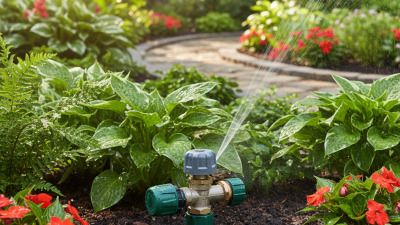
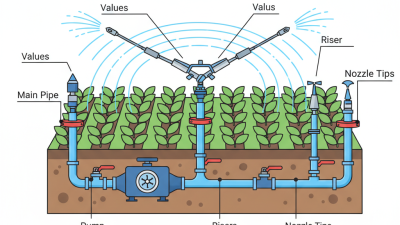
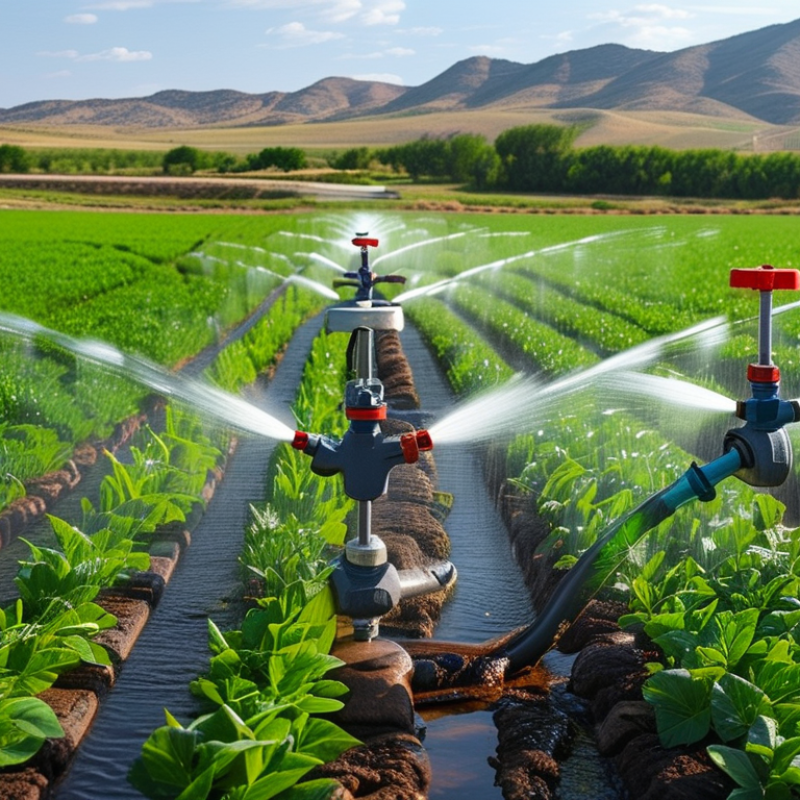
Sprinkler irrigation valves play a crucial role in
managing water flow in irrigation systems. Understanding their design and function can help optimize
water usage. These valves control the pressure and flow
of water to different areas, ensuring that each section of your garden or farm receives adequate moisture.
There are different types of valves, such as electric
and manual ones. Electric valves can be automated,
saving time and effort. However, they may require more maintenance and troubleshooting over time.
Manual valves are straightforward and reliable but demand regular checks. Finding the right type can
significantly affect your watering efficiency.
A common mistake is overlooking the importance of valve placement
and accessibility. Where you install them matters. Poor placement can lead to clogs or damage.
I’ve seen installations fail because the valves were hidden or difficult to reach. Reflecting on such
choices can help improve your system's reliability
and performance.
Types of Sprinkler Irrigation Valves: A Comprehensive Guide
Choosing the right sprinkler irrigation valve is crucial for efficient water management. Various types of valves serve different needs. Understanding these options helps ensure the best fit for your system.
Mechanical valves are simple and reliable. They operate through a manual lever, offering ease of use. However, they may require more frequent maintenance. On the other hand, electric valves offer automation, making them ideal for larger systems. They can be easily controlled via timers and smart controllers. Yet, they can fail due to power outages or wiring issues, requiring a backup plan.
Flow control valves are another option. They manage water pressure effectively, preventing over-saturation. However, improper installation can lead to leaks. Lastly, specialty valves, like anti-siphon valves, prevent contamination of the water supply. Each type has its pros and cons. It's essential to reflect on your specific irrigation needs before deciding.
Factors to Consider When Choosing Irrigation Valves
Choosing the right irrigation valves requires careful consideration of several factors. One key element is the valve type. Common options include manual, automatic, and solenoid valves. Each type has its unique advantages and limitations. For instance, solenoid valves can efficiently manage water flow, but they depend on a power source. A report by the Irrigation Association indicates that 30% of irrigation systems can be improved with better valve choices.
Another significant factor is the material of the valve. Common materials include PVC, brass, and stainless steel. PVC is lightweight and resistant to corrosion, making it an excellent choice for many applications. However, brass and stainless steel offer enhanced durability. A study by the American Society of Agricultural and Biological Engineers (ASABE) shows that the right material can extend the lifespan of a valve by up to 50%, which is essential for long-term sustainability.
Pressure rating must not be overlooked. Valves should be compatible with the system’s pressure levels. Using improperly rated valves can lead to leaks or failures, causing water waste. According to the USDA's irrigation efficiency report, systems with correctly rated valves increase efficiency by 25%. Such statistics underline the importance of making informed choices in your irrigation valve selection process.
Top Brands and Models in Sprinkler Irrigation Valves
When choosing a sprinkler irrigation valve, several top brands and models stand out for their quality and effectiveness. Look for valves that offer reliable performance, ease of installation, and durability. Common features include automatic shut-off and adjustable flow rates, which can significantly enhance your irrigation efficiency.
It's important to choose a valve that suits your specific garden or landscape needs. Factors like the size of your watering area and water pressure can influence your decision. Some models may excel in residential settings, while others are designed for larger agricultural operations.
Tips: Regular maintenance is crucial. Check for leaks frequently to prevent water wastage. Consider using a filter to keep debris out of the valve system. Investing in a quality valve can save you time and resources in the long run. Researching user reviews can provide insight into the reliability of different models.
Maintenance Tips for Optimal Valve Performance in Irrigation Systems
Maintaining irrigation valves is essential for optimal performance in any irrigation system. Irrigation systems account for roughly 70% of global freshwater withdrawals, according to the FAO. If valves fail, water distribution becomes inefficient, leading to wasted resources. Regular maintenance ensures that your system operates smoothly and effectively.
One key tip is to inspect the valves regularly. Look for leaks or signs of corrosion. These issues can escalate over time. Research shows that a small leak can waste up to 20 gallons of water per day. Proper cleaning and inspection can prevent this waste and increase the longevity of your valves.
Another important aspect is to check the pressure settings. Optimal pressure prevents strain on the valves, reducing the risk of malfunction. In fact, systems operating at the recommended pressure range can boost efficiency by 30%. Ensuring that water pressure is calibrated correctly is simple but often overlooked. Regular maintenance and adjustments can save resources and money in the long run, making them crucial for any effective irrigation system.