Top 5 Irrigation Rotor Sprinklers for Optimal Water Use?
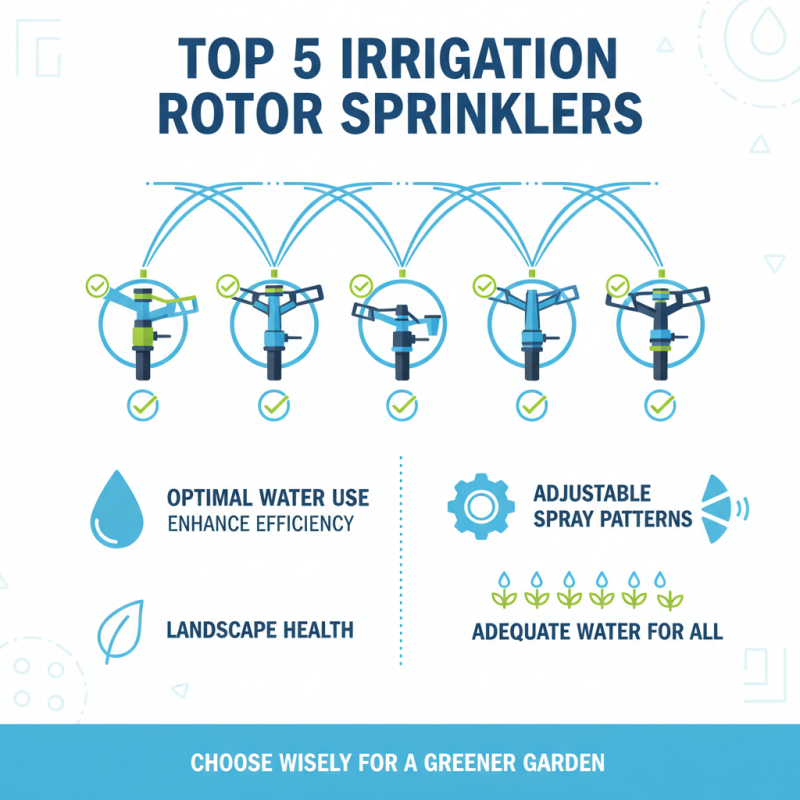
In the quest for efficient watering, Irrigation Rotor Sprinklers stand out. These devices optimize water distribution and enhance plant health. With a range of options available, choosing the right one can be daunting. Each model offers unique features, impacting water usage and coverage.
Understanding the variety in Irrigation Rotor Sprinklers is crucial for informed decisions. Some models excel in wide coverage, while others focus on precision watering. The effectiveness of these systems can greatly influence water conservation efforts. Yet, not all sprinklers perform as advertised. It is wise to analyze user reviews and ratings for better insight.
Selecting the best irrigation system requires balancing features and performance. As technology evolves, so do the designs of these sprinklers. Some designs may face challenges, such as clogging or unequal water distribution. This means real-world testing is vital for optimal results. Consider all aspects before choosing an Irrigation Rotor Sprinkler to ensure effective water use.
Overview of Irrigation Rotor Sprinklers and Their Benefits
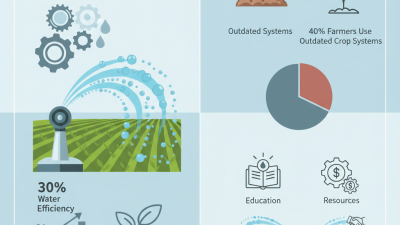
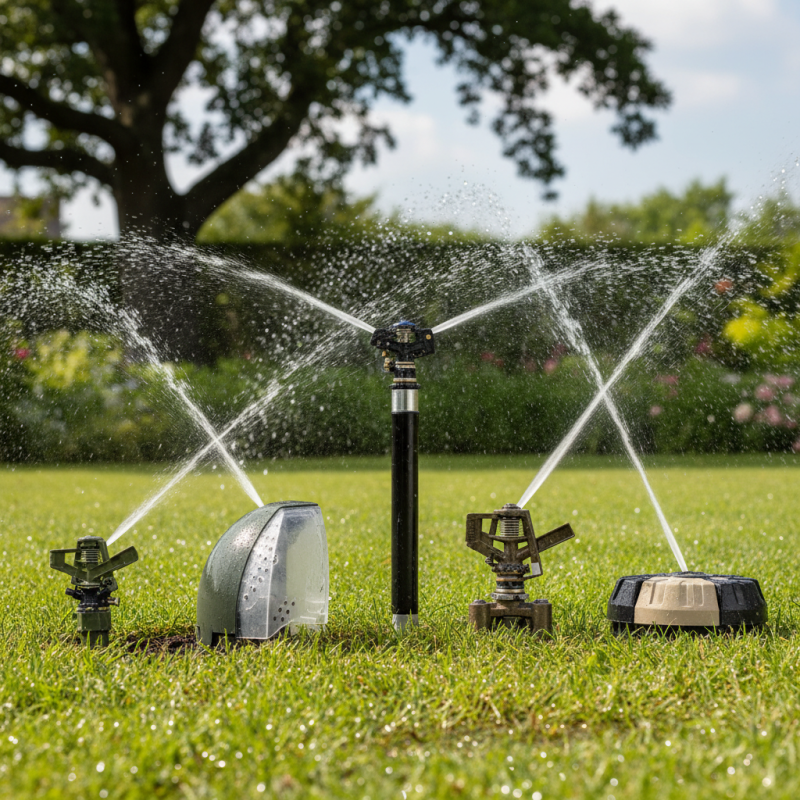
Irrigation rotor sprinklers are essential tools for efficient water management in agriculture and landscaping. These devices deliver water in a controlled manner, maximizing coverage while minimizing waste. Recent studies reveal that using rotor sprinklers can reduce water consumption by up to 30% compared to traditional methods. This efficiency can result in significant cost savings, especially in arid regions where water is scarce.
The benefits of irrigation rotor sprinklers extend beyond just water savings. They promote even distribution of moisture, which is crucial for healthy plant growth. In addition, these sprinklers can be adjusted for various droplet sizes, catering to different plant types. A comprehensive industry report indicates that improper watering practices can lead to decreased crop yields. By utilizing rotor sprinklers, farmers can ensure that their crops receive the necessary hydration without overwatering.
However, not all irrigation systems are flawless. Regular maintenance is needed to prevent clogging and ensure optimal performance. Users should regularly check for leaks or blockages. Ignoring these issues can lead to uneven watering and wasted resources. Reflecting on these challenges highlights the need for ongoing education and training for optimal irrigation practices. Achieving the perfect balance in irrigation is an ongoing journey for many in the field.
Top 5 Irrigation Rotor Sprinklers: Water Efficiency Comparison
Criteria for Selecting the Best Rotor Sprinklers for Efficient Water Use
When selecting rotor sprinklers, consider water efficiency first. Look for models that provide even coverage. This reduces water waste and maximizes effectiveness. It's crucial to understand your specific watering needs. Different landscapes require different approaches.
Evaluate the sprinkler's adjustable settings. Some models allow customization for various zones. This flexibility can ensure that every part of your garden receives adequate water. Reliability matters too. A reliable sprinkler will perform well over time and in various weather. Check for durability in materials. Cheap options may break easily.
Assess user reviews to gauge performance. Real-world experiences give insights into functionality. It's also wise to consider the installation process. Some sprinklers are more complex to set up than others. An easier installation can save time and frustration. Reflect on your gardening habits. Invest in the right system that suits both your landscape and lifestyle.
Comparative Analysis of Features and Performance in Top Picks
When selecting an irrigation rotor sprinkler, understanding the differences in features and performance is essential. Recent industry reports indicate that the efficiency of water use in agriculture can be improved by 20-30% with the right sprinkler system. Rotor sprinklers, designed for larger areas, use rotating nozzles to distribute water evenly. They can cover distances up to 90 feet or more, making them ideal for expansive landscapes.
Performance metrics show that adjustable rotation speeds can greatly affect water distribution. Some models allow for settings between 360 degrees and partial arcs. This flexibility caters to various crop layouts. Furthermore, a study found that sprinklers with larger droplet sizes reduce evaporation loss by about 40%. On the flip side, smaller droplets are prone to drifting, which can lead to uneven watering. Achieving the right balance is crucial for effective irrigation.
Additionally, ease of maintenance cannot be overlooked. Many rotor sprinklers require regular cleaning to prevent clogging, especially in hard water areas. Reports suggest that nearly 15% of inefficiencies stem from maintenance issues. Regular checks and adjustments are necessary. Overall, while selecting a rotor sprinkler, consider both performance efficiency and practical upkeep for optimal water use.
Top 5 Irrigation Rotor Sprinklers for Optimal Water Use
| Model |
Spray Range (ft) |
Flow Rate (GPM) |
Adjustment Type |
Material |
Warranty (Years) |
| Model A |
20-30 |
2.0 - 5.0 |
Manual |
Plastic |
3 |
| Model B |
25-35 |
3.0 - 4.5 |
Automatic |
Metal |
5 |
| Model C |
15-25 |
2.5 - 3.5 |
Manual |
Plastic |
2 |
| Model D |
30-40 |
4.0 - 6.0 |
Automatic |
Metal |
4 |
| Model E |
10-20 |
1.5 - 2.0 |
Manual |
Plastic |
3 |
Maintenance Tips for Maximizing the Lifespan of Rotor Sprinklers
Proper maintenance of rotor sprinklers is crucial for their longevity. Regularly check for clogs and clean the nozzles to ensure smooth operation. Dirt and debris can significantly reduce the efficiency of your sprinkler system. It's easy to overlook this step, but doing so can lead to uneven watering. Inspect the rotor heads for damage or misalignment as well.
Adjusting the spray pattern is another essential aspect of maintenance. This can help distribute water evenly across your garden. Make minor adjustments to avoid over-saturating certain areas. Noticing some spots always stay wet? This indicates misalignment. Tackle this issue early to prevent water waste.
Finally, seasonal checks are beneficial. As seasons change, your irrigation needs also shift. Test the system before the growing season begins each year. Has it been a while since the last service? If yes, it’s wise to undertake a thorough inspection. Taking these precautions will not only extend the life of your rotor sprinklers but also enhance your overall watering efficiency.