Top Irrigation Controllers of 2026 for Efficient Water Management?
In the evolving field of agriculture, the role of an Irrigation Controller is becoming increasingly vital. As we approach 2026, experts emphasize the need for advanced technology in water management. Dr. Jane Mitchell, an irrigation technology specialist, states, “Smart controllers can drastically reduce water usage while maximizing crop yield.” This insight highlights the importance of efficient water management practices.
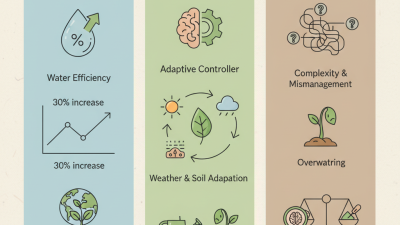
Irrigation Controllers are not merely tools; they represent a shift toward sustainability in farming. As climate challenges intensify, farmers must adapt. These innovative systems provide real-time data, responding to changing weather conditions and soil moisture levels. This adaptability is crucial for effective resource use. However, it’s essential to recognize the risks of over-reliance on technology without proper oversight.
The journey towards efficient water management is complex. While many solutions exist, they are not one-size-fits-all. Farmers should evaluate their unique needs and context. The landscape of irrigation controllers in 2026 will require ongoing reflection and adaptation. Every advancement presents an opportunity for growth and improvement in agricultural practices.
Overview of Irrigation Controllers and Their Importance in Water Management
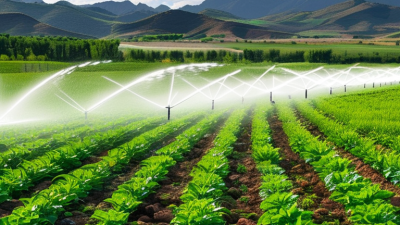
Irrigation controllers play a crucial role in effective water management. They alleviate the risk of overwatering, which can lead to water wastage and plant stress. Efficient controllers adjust the watering schedule based on real-time weather data, ensuring crops receive the right amount of water. This not only conserves water but also promotes healthier plants.
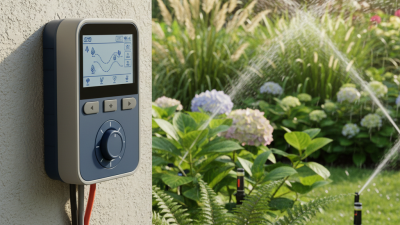
When choosing an irrigation controller, consider factors such as ease of use and programming options. Look for models that offer weather-based adjustments. Smart sensors can detect soil moisture levels and rainfall. Investing in technology can save money in the long run and help the environment.
**Tip:** Regularly inspect your irrigation system. Look for leaks, clogs, or any parts that need replacement. A well-maintained system ensures efficiency.
Another important aspect is to monitor your water usage. Take note of how much water your plants require. You might discover areas that are over- or under-watered. Inconsistent watering can harm plant growth.
**Tip:** Use mulch or ground cover to retain soil moisture. This reduces the need for frequent watering. It’s a simple yet effective way to enhance water conservation.
Top Irrigation Controllers of 2026 for Efficient Water Management
This chart illustrates the efficiency ratings of various irrigation controllers based on their water-saving capabilities, automated features, and user satisfaction. The data represents a selection of controllers evaluated in 2026 for their effectiveness in water management.
Key Features to Look for in Top Irrigation Controllers for 2026
As we approach 2026, efficient water management becomes crucial. Top irrigation controllers must incorporate essential features to optimize water use. Currently, about 70% of freshwater supplies are used for agriculture. With water scarcity rising, innovative irrigation technologies are more important than ever.
Smart scheduling features can significantly reduce water waste. These controllers adjust irrigation times based on weather forecasts. For example, if rain is predicted, watering can be postponed, saving both water and energy. Furthermore, soil moisture sensors are becoming standard. They provide real-time data, ensuring irrigation occurs only when necessary. A study shows that using these sensors can lower water usage by up to 20%.
Another important aspect is user-friendly interfaces. Many users desire simplicity. However, some advanced features can be challenging to navigate. Manufacturers need to strike a balance between sophistication and usability. Also, wireless connectivity options are increasingly common. Yet, connectivity issues may arise, requiring users to think critically about their technology choices. In the rapidly evolving landscape of irrigation controllers, these details matter for effective water management.
Comparative Analysis of Leading Irrigation Controller Brands and Models
As water scarcity becomes a pressing global issue, efficient irrigation controllers are vital for sustainable agriculture. Many leading brands are continually enhancing their technology. Smart irrigation systems now incorporate weather data and soil moisture levels to optimize water usage. This ensures plants receive the right amount of water, preventing over- or under-irrigation.
Comparative analysis shows substantial differences in features among models. Some controllers offer advanced scheduling options, while others focus on straightforward operation. Connectivity features vary too. Certain systems allow remote access via apps, enabling users to monitor and adjust irrigation from anywhere. However, some models require manual adjustments, which can be inconvenient.
Another area that demands attention is the user interface. Some controllers are intuitive and user-friendly, while others can be confusing for less tech-savvy users. It's crucial to consider ease of use, especially for large-scale operations. Additionally, reliability remains a concern. Devices must withstand varying temperatures and weather conditions. This unpredictability challenges manufacturers to optimize for durability. Efforts must continue to improve both functionality and user experience.
Technological Innovations Enhancing Efficiency in Irrigation Controllers
In the ever-evolving field of agriculture, irrigation controllers have witnessed remarkable innovations. These advancements greatly enhance water efficiency. A recent industry report highlights that smart irrigation technologies can save up to 50% of water usage compared to traditional methods. This is crucial, especially as droughts become more frequent worldwide.
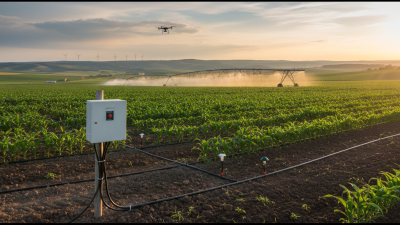
Modern controllers utilize data from weather forecasts, soil moisture levels, and crop types. This ensures optimal watering schedules. The integration of IoT allows for remote management. Farmers can monitor their systems via smartphones. This convenience leads to reduced labor costs and increased crop yields.
Tip: Regularly calibrate your irrigation system. Outdated settings can waste both water and money.
However, challenges remain. Many users experience a learning curve with new technology. It’s essential to invest time in training and familiarization. An industry study reveals that only 30% of users maximize their systems’ capabilities.
Tip: Choose an irrigation controller that offers user-friendly interfaces. This can improve adoption rates and system efficiency.
As agricultural demands grow, innovative irrigation solutions are essential. The future lies in adopting smarter technologies for sustainable farming.
Top Irrigation Controllers of 2026 for Efficient Water Management
| Controller Model |
Smart Technology |
Water Efficiency (%) |
User Interface |
Connectivity Options |
Price ($) |
| Model A |
AI-Driven |
85 |
Touchscreen |
Wi-Fi, Bluetooth |
199 |
| Model B |
Weather-Based |
90 |
Mobile App |
Wi-Fi |
249 |
| Model C |
Remote Management |
80 |
Web Interface |
Ethernet |
179 |
| Model D |
Sensor-Integrated |
88 |
Voice Control |
Wi-Fi, Zigbee |
299 |
| Model E |
Data Analytics |
92 |
LCD Display |
Wi-Fi, Cellular |
349 |
User Reviews and Case Studies on the Best Irrigation Controllers of 2026
As we look ahead to 2026, irrigation controllers have evolved significantly. User reviews highlight the importance of smart technology in water management. Many users appreciate features like weather-based adjustments, which enhance efficiency. These systems optimize water usage by adapting to real-time conditions. Case studies showcase significant reductions in overall water use, which is crucial for maintaining sustainable practices.
When choosing an irrigation controller, users emphasize the need for reliability. Some controllers offer advanced features but fail to deliver consistent performance. It's essential to research thoroughly and read feedback from other users. Consider the ease of installation, as some controllers present challenges that could lead to frustration.
Efficiency is the key to water management. Look for models that provide data analytics. These insights help in understanding water usage patterns. It’s also helpful to engage with eco-conscious communities. Sharing experiences can guide others toward better choices. Remember, not all smart controllers are equal. Some may have limitations, and it’s wise to weigh their pros and cons before making a purchase.