What is an Irrigation Controller and How Does it Work?
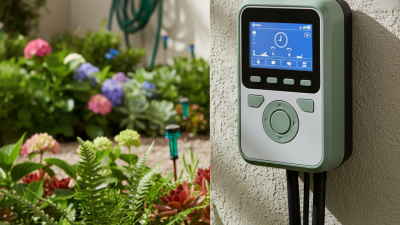
Irrigation controllers are a crucial component in modern water management for agriculture and landscaping. These devices automate the watering process, ensuring plants receive the right amount of moisture. The global irrigation controller market is projected to grow at a CAGR of 17.63% between 2021 and 2026, reflecting increased demand for efficient water use. Expert Jane Smith, a leading figure in sustainable agriculture technology, highlights the importance of this innovation. She states, "Irrigation controllers are transforming how we manage water resources, making it essential for sustainable farming."
The technology behind irrigation controllers varies widely. Some systems are simple timers, while others utilize advanced sensors and weather data. These controllers reduce water waste by adjusting schedules based on real-time conditions. However, not all irrigation controllers are created equal. Many users report issues with calibration and connectivity, which can lead to overwatering or underwatering crops. The challenge is finding reliable technology that meets specific needs without compromising plant health.
Investing in an irrigation controller can lead to significant savings. According to industry reports, effective irrigation management can reduce water usage by up to 50%. However, it's essential to understand the limitations of these devices. They rely heavily on user input and environmental factors. Balancing technological advancements with practical knowledge is key to maximizing their potential.
What is an Irrigation Controller: Definition and Purpose
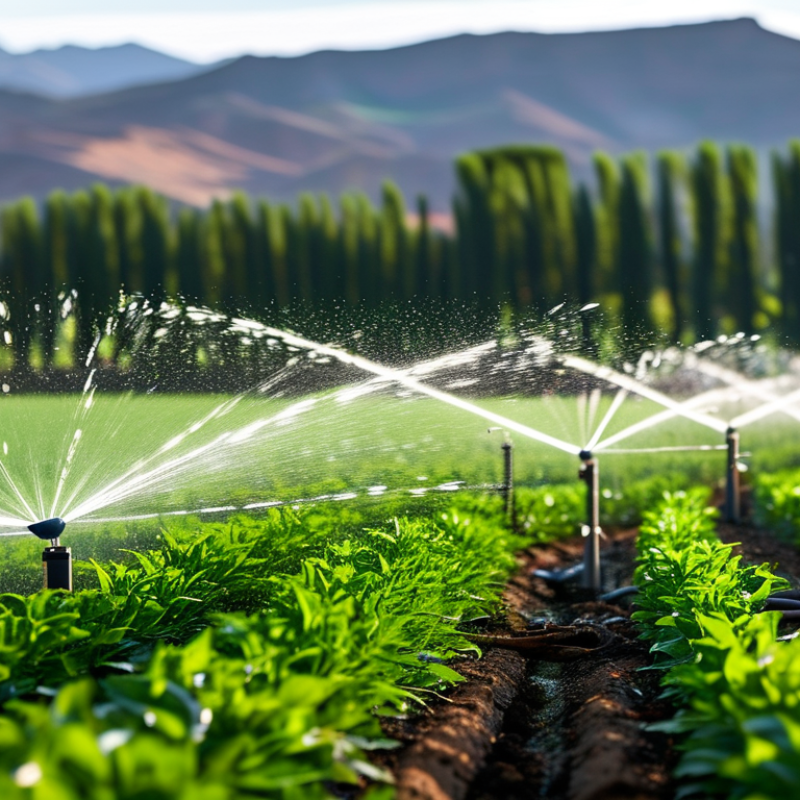
An irrigation controller is a vital tool in modern agriculture and landscaping. It automates the watering schedule for plants, ensuring they receive the right amount of water at the right time. According to the Irrigation Association, efficient irrigation systems can reduce water usage by up to 50%. This is crucial, especially in areas facing water scarcity.
The purpose of an irrigation controller goes beyond mere convenience. It plays a significant role in optimizing plant health and resource management. Studies indicate that precisely timed irrigation can improve crop yield by 20-30%. This is particularly important as global food demand rises. However, not all systems function flawlessly. Issues like sensor malfunctions or improper settings can result in overwatering or underwatering, which negatively impacts plant health.
Users must regularly check and maintain their controllers to ensure accuracy. Rain sensors, for instance, require proper calibration to function well. Some controllers even come with soil moisture sensors that provide real-time data. Yet, they can be overly sensitive or inaccurate, leading to potential waste. Understanding the technology behind these controllers is essential for any gardener or farmer aiming to enhance their irrigation practices.
Components of an Irrigation Controller: Sensors and Timers Explained
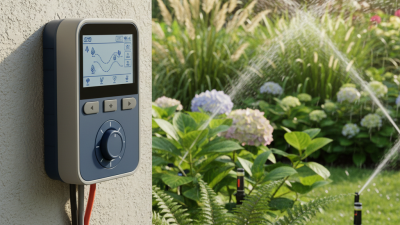
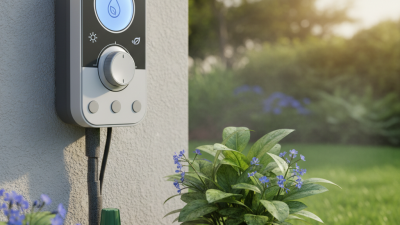
An irrigation controller automates watering systems for gardens and landscapes. It manages the timing and amount of water applied, making garden care efficient. Central to its function are sensors and timers. Sensors measure soil moisture, weather conditions, and plant needs. They provide real-time data to the controller. This allows the system to adjust watering schedules accordingly.
Timers work by scheduling specific times for watering. They can be programmed for different days and times. This flexibility helps cater to various plant needs. A well-set timer can prevent overwatering or underwatering. Feeling overwhelmed by the options? Start simple. As you learn, adjust settings gradually for better efficiency.
Invest in good quality sensors. They make a noticeable difference. Wireless options can be less intrusive and easier to install. Regular maintenance on your irrigation controller is vital. Check batteries and connections often. Sometimes, settings can inadvertently change. Keeping a log of your watering schedule can help spot trends and make necessary adjustments. Experiment with different timings until you find what works best for your garden.
Types of Irrigation Controllers: Comparing Manual, Automatic, and Smart Systems
Irrigation controllers play a crucial role in managing water use in gardens and farms. They regulate the timing and amount of irrigation needed for optimal plant health. There are three main types of irrigation controllers: manual, automatic, and smart systems.
Manual irrigation controllers require human intervention. Users set timers to water plants at specific intervals. This method gives a sense of control but can lead to overwatering or underwatering. Inconsistent watering is a common issue with this type. Some hobbyists prefer this hands-on approach, but it demands attention and diligence.
Automatic controllers simplify the task. They use preset schedules to water plants based on user-defined settings. While they reduce the workload, they may not adapt to changing weather conditions. Users can forget to make adjustments, leading to potential water waste. Smart irrigation controllers take it a step further. They connect to weather data and soil sensors, adjusting watering in real-time. Adopting smart systems can enhance efficiency. However, reliance on technology may cause delays in response if systems malfunction. Each type has its strengths and weaknesses, making careful consideration essential.
What is an Irrigation Controller and How Does it Work? - Types of Irrigation Controllers: Comparing Manual, Automatic, and Smart Systems
| Type of Irrigation Controller |
Features |
Advantages |
Disadvantages |
| Manual Controller |
Requires user to turn on/off watering, set timer |
Simple to use, cost-effective |
Requires manual operation, not efficient |
| Automatic Controller |
Pre-set schedules for watering |
Convenient, can save water |
Less flexible, may over or under-water |
| Smart Controller |
Adjusts watering based on weather data, soil moisture |
Highly efficient, saves water and time |
Higher initial cost, requires internet access |
How Irrigation Controllers Optimize Water Usage: Industry Statistics
Irrigation controllers play a crucial role in efficient water management. These devices automate the watering process, ensuring that plants receive the right amount of water. Recent industry statistics highlight that utilizing an irrigation controller can reduce water usage by up to 30%. This is particularly vital as water conservation becomes ever more necessary.
Farmers and homeowners are increasingly turning to technology. A well-calibrated irrigation controller can minimize runoff and evaporation. Many controllers are now equipped with weather sensors. These sensors adjust watering schedules based on real-time weather conditions, preventing unnecessary irrigation during rainy days.
Despite the advantages, challenges remain. Not all users fully understand how to set up these devices. A lack of education may lead to inefficiencies. Some controllers may require regular maintenance to ensure accurate readings. Understanding how to troubleshoot common issues is essential for effectiveness. Embracing technology requires ongoing learning and adaptation in water management practices.
The Future of Irrigation Technology: Trends in Automation and Sustainability
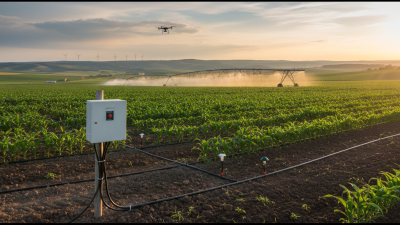
The future of irrigation technology is closely tied to automation and sustainability. Advances in smart irrigation systems enhance water management efficiency. A recent report by the International Irrigation Association reveals that automated systems can reduce water usage by up to 30%. This significant reduction is vital as agriculture accounts for 70% of global freshwater withdrawals. Smart controllers, which adjust watering schedules based on weather forecasts, contribute to these efficiencies.
Sustainability in irrigation also involves selecting drought-resistant crops. The USDA projects that the adoption of such crops could decrease water consumption by at least 20%. Farmers are becoming more aware of their water footprint. However, there remains a gap in knowledge regarding the integration of new technologies. Many smaller farms still rely on outdated irrigation practices. The complexity of these systems can deter farmers from adopting sustainable technologies.
Next-generation irrigation solutions aim to bridge this gap. Soil moisture sensors and data analytics pave the way to precise water application. The challenge lies in ensuring accessibility and affordability for all farmers. Transitioning to automated systems requires upfront investment but can lead to long-term savings. The water crisis demands that the agricultural sector embraces innovative irrigation methods while addressing these financial barriers.