Why Choose the Best Irrigation System Valve for Your Needs?
When considering an effective irrigation strategy, selecting the right Irrigation System Valve is essential. A quality valve can enhance the efficiency of your irrigation system and help manage water resources wisely. Farmers, gardeners, and landscape professionals all face this choice.
An irrigation system valve controls water flow, ensuring even distribution. Without the right valve, issues like overwatering can occur. Sometimes, valves may not work as expected, leading to water waste. Understanding the specifics of what you need can help avoid costly mistakes in the future.
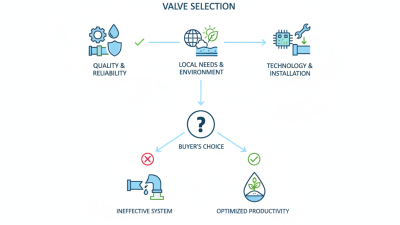
Researching the various types and features of irrigation system valves is critical. Each option comes with unique benefits and potential drawbacks. Consider factors like durability, compatibility, and ease of installation. Making an informed decision ultimately leads to a more reliable irrigation setup.
Understanding the Importance of an Effective Irrigation System Valve
An effective irrigation system valve is crucial for optimizing water usage. It controls water flow, ensuring that plants receive the right amount of moisture. Choosing the right valve can prevent overwatering and underwatering, which are common issues. These problems can lead to plant stress or wastage of resources.
Consider the materials used in a valve. Some are resistant to corrosion, while others may need frequent replacements. Each choice has its pros and cons. Reliable valves promote a steady water supply, reducing unexpected leaks. In contrast, poor-quality valves often fail, disrupting the entire irrigation system.
Think about installation as well. An improper setup can lead to significant inefficiencies. Regular maintenance is also essential for the longevity of your system. Ignoring this can result in larger issues. Investing in a high-quality valve seems daunting, but it pays off over time. It's important to reflect on your specific needs before making a decision.
Water Usage Comparison for Different Irrigation System Valves
Types of Irrigation System Valves and Their Functions
Irrigation system valves play a crucial role in managing water flow. There are several types of valves, each designed for specific applications. Gate valves are often used for isolation, allowing full flow. On the other hand, globe valves provide more control over flow rates and pressure.
Electric solenoid valves are popular in modern systems. They automate water delivery efficiently. According to a 2022 report by the Irrigation Association, these valves can reduce water usage by 20% through precise control. This can lead to significant savings over time.
Despite their benefits, many users overlook the importance of selecting the right type. Not all valves are suitable for every system. Poor selection can lead to issues like low pressure or leaks. Research by the American Society of Agricultural and Biological Engineers found that improper installation can reduce the system's efficiency by up to 25%. It's essential to consider the specific requirements of your irrigation setup.
Factors to Consider When Choosing an Irrigation System Valve
When choosing an irrigation system valve, several factors come into play. The type of valve can significantly affect the system's efficiency. Consider the flow rate. Knowing your landscape's water needs helps in selecting the right valve size. A small valve might limit water flow, while an oversized valve can waste water.
Material is also crucial. Look for corrosion-resistant materials like brass or PVC. These options endure various weather conditions. It's worth noting that cheaper materials may break down faster, leading to more repairs.
**Tip:** Always assess your water source. Ensure the valve can handle the pressure from your system. Properly sizing your valve can save you time and resources.
Another aspect is control options. Electric valves offer automation, while manual ones provide simplicity. Evaluate how hands-on you want to be. An automatic system can be convenient, yet it requires a reliable power source.
**Tip:** Regularly inspect your valves. A small leak may seem minor, but it can escalate into bigger issues. Keep a maintenance schedule to ensure optimal performance. Understanding these factors can lead to informed choices for your irrigation needs.
Why Choose the Best Irrigation System Valve for Your Needs? - Factors to Consider When Choosing an Irrigation System Valve
| Factor |
Description |
Importance Level |
| Material |
The material of the valve affects durability and resistance to corrosion. |
High |
| Flow Rate |
This determines how much water can flow through the valve, impacting irrigation efficiency. |
Critical |
| Size Compatibility |
The valve must fit the existing irrigation system pipes and components. |
Essential |
| Pressure Rating |
Indicates the maximum pressure the valve can handle without failing. |
High |
| Type of Actuation |
Manual, automatic, or solenoid; affects ease of use and automation. |
Moderate |
| Maintenance Requirements |
Consider how often the valve needs servicing and the complexity involved. |
Important |
| Cost |
Evaluate affordability within budget constraints while considering quality. |
Important |
How to Assess the Compatibility of Valves with Existing Systems
When selecting an irrigation system valve, compatibility with existing components is crucial. Assess the flow rate and pressure requirements of your system. Measure the inlet and outlet sizes to ensure a perfect fit. A mismatch can lead to inefficiencies or even damage.
Always check the material of the valve. Plastic, brass, and stainless steel have different durability and compatibility levels. If your current system uses brass fittings, switching to plastic may require adaptors or cause leaks. Consider the local water quality too. Corrosive water can degrade certain materials quickly.
Tips: Always bring a sample of your existing valve to the store. This aids in matching the specifications more accurately. When in doubt, consult an irrigation specialist. They can provide valuable insights based on experience. Document your current setup. This helps in future upgrades or repairs. Remember, a costly error can occur from overlooked details.
Maintenance Tips for Ensuring Longevity of Irrigation Valves
When selecting an irrigation valve, maintenance is key to ensuring long-term performance. A report from the Irrigation Association highlights that properly maintained systems can operate efficiently for over a decade. Neglecting simple upkeep can lead to costly repairs and inefficient watering, disrupting your gardens or crops.
Regularly inspect your valves for leaks or wear. Even small signs may indicate larger issues. Clean any debris around the valve area to ensure smooth operation. Dust and dirt can hinder functionality, causing malfunctions. It’s essential to schedule maintenance checks at least twice a year. This can significantly reduce the risk of unexpected failures.
One helpful tip is to ensure that all connections are tight. Loose fittings can lead to water wastage and pressure drops. Additionally, consider replacing seals and gaskets every few seasons. A proactive approach not only extends the lifespan of your valves but also enhances the overall effectiveness of your irrigation system. Keep a maintenance log to track service dates and issues encountered. This information can be invaluable in predicting future problems.