Best Irrigation System Valves for Efficient Water Management?
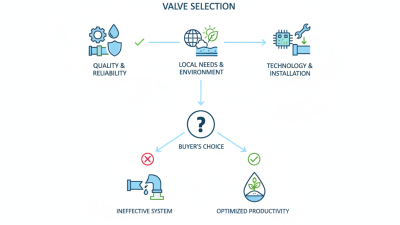
Efficient water management is crucial in today’s agricultural landscape. The choice of the right irrigation system valve can significantly impact water usage. "The right valve can save both water and money," says Dr. Emily Harper, a renowned expert in irrigation technology. Her insights highlight the importance of selecting appropriate valves for various irrigation systems.
Modern irrigation system valves come in various types and designs. Understanding each type’s functionality is essential for maximizing efficiency. For example, automatic valves provide convenience and precise control of water flow. This can lead to better crop yield and reduced waste. Inefficient valves can lead to water loss and increased operational costs, making the selection process vital.
Many farmers overlook the importance of quality valves. Poor choices can hamper water distribution and negatively affect plant health. Reflecting on past experiences, many have learned the hard way that compromises in valve selection can lead to regrets. Investing in quality irrigation system valves not only enhances water management but also promotes sustainable farming practices.
Overview of Irrigation System Valves and Their Functions
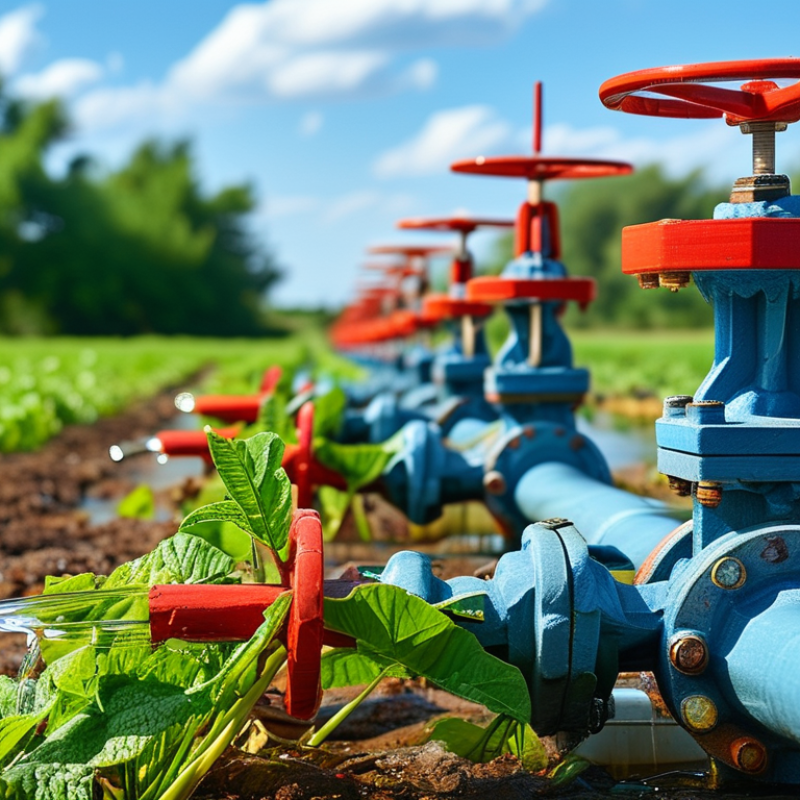
Irrigation system valves play a crucial role in efficient water management. They control the flow and pressure of water throughout the irrigation system. Without these valves, it would be challenging to manage water resources effectively. Each valve type serves specific functions, ensuring the right amount of water reaches the plants.
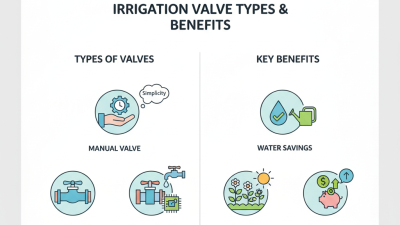
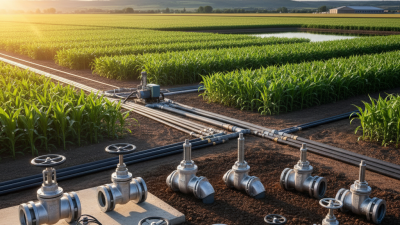
Different types of valves, such as gate, globe, and ball valves, each offer unique advantages. Gate valves are great for on/off control, while globe valves provide fine-tuning of flow. Ball valves, known for their durability, are often used in high-pressure applications. Selecting the right valve can make a significant difference in water conservation and distribution efficiency.
Installation of these valves can be tricky. Proper alignment and sealing are crucial to prevent leaks. If not installed correctly, the system may experience malfunctions. Regular maintenance also deserves attention. Over time, valves can wear out or become clogged. Monitoring their performance helps maintain an efficient irrigation system and reduces wastage.
Types of Irrigation System Valves for Different Needs
Irrigation system valves play a critical role in effective water management. Different types of valves cater to various irrigation needs, from landscape watering to agricultural applications. According to industry reports, approximately 50% of water used for irrigation is wasted due to inefficiencies. Understanding the types of valves can significantly enhance water conservation efforts.
Gate valves are among the most common types. They provide a simple on/off function and are ideal for large flow applications. However, they can be inefficient in regulating water flow. On the other hand, globe valves offer better flow control. They are suitable for locales requiring precise adjustments, reducing potential water waste.
Tips: Consider the climate and soil type when selecting valves. For sandy soils, check valves may be crucial to prevent drainage. Regular maintenance can improve the lifespan of these valves, yet many users overlook this critical step. Neglecting maintenance results in increased operational costs. It's essential to challenge assumptions about valve performance and evaluate them based on actual field conditions.
Best Irrigation System Valves for Efficient Water Management
Key Features to Consider When Selecting Irrigation Valves
When selecting irrigation valves, understanding key features is crucial for effective water management. Efficient irrigation systems can reduce water usage by up to 30%, according to industry reports. One essential factor to consider is the valve material. Durable materials, like PVC or brass, are notable for their longevity and resistance to corrosion. This can significantly impact maintenance frequency and costs.
Another important feature is the valve size. Properly sized valves ensure optimal flow and pressure, reducing the risk of leaks. Research indicates that improperly sized valves can lead to water wastage, wasting as much as 50% of water resources. Additionally, automation capabilities in valves can enhance irrigation efficiency. Smart valves can adjust flow automatically, responding to changing environmental conditions.
Customization options are also vital. Certain regions may require specialized valves based on soil type and crop needs. This adaptability can impact the overall success of irrigation systems. Investigating local climatological data and soil reports can provide insight into what works best. Ultimately, choosing the right irrigation valve involves weighing these factors carefully.
Top Brands and Models of Irrigation Valves for Optimal Performance
Choosing the right irrigation valves is crucial for effective water management. Various models are available, each with distinct features. A well-designed valve optimizes flow control. It helps ensure that the right amount of water reaches your plants. Some models offer easy installation, making them user-friendly for beginners.
Durability is another factor to consider. Valves made from high-quality materials resist corrosion and wear. These models perform well over time, saving the need for frequent replacements.
However, not all high-end options guarantee performance. Some may still falter under specific conditions, needing periodic checks. It’s important to research and evaluate user reviews for real insights.
Performance can vary across different environments. Soil type and local climate impact how irrigation systems function. A valve that works well in one garden might struggle in another. This unpredictability calls for careful observation and adaptation. Understand your garden's unique needs to make informed decisions.
Maintenance Tips for Ensuring Longevity of Irrigation Valves
Irrigation valves play a vital role in maintaining an efficient watering system. Regular maintenance ensures they operate smoothly and last longer.
Check for leaks regularly. Even a small leak can waste a lot of water over time. Inspect the seals and fittings. Replacing worn-out components saves water and money.
Cleaning the valves is crucial. Dirt and debris can block water flow. Use a soft brush or cloth to remove buildup. Ensure the valves are free from sediment.
If valves are exposed to harsh weather, consider insulating them during colder months.
Conduct seasonal checks on your irrigation system. This simple task can prevent larger issues later. Note any changes in water flow.
Unusual sounds may signal a problem. By staying proactive, you can ensure your irrigation system remains effective. Recognizing these maintenance tips leads to better water management and healthier plants.